New 14.2-Kg Connections Still Suspended
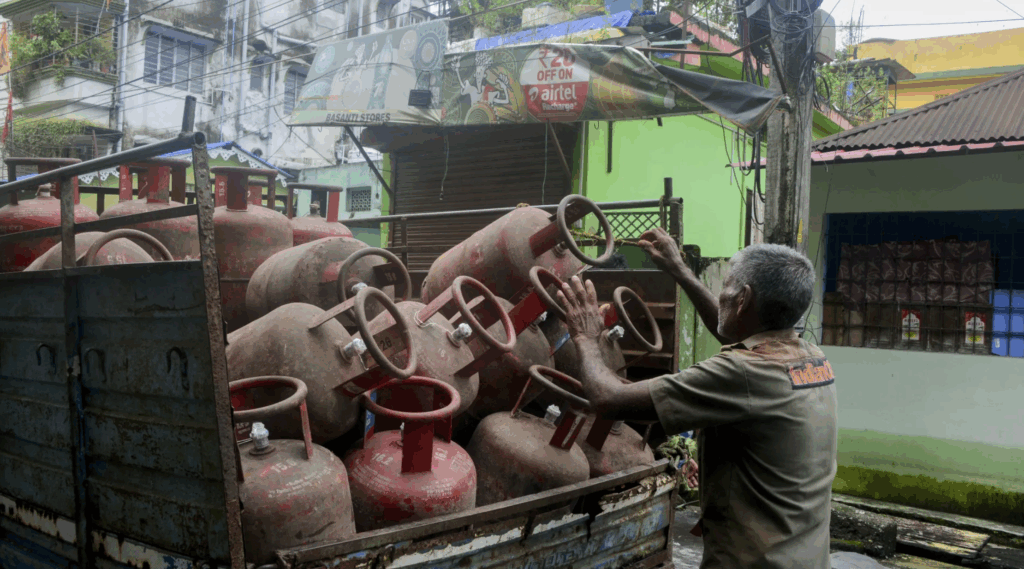
New domestic LPG connections continue to remain unavailable in several parts of India as uncertainty surrounding supplies persists amid renewed flare-ups in West Asia. Distributors in major cities including Delhi, Mumbai, Kolkata, Bengaluru and Chennai have reportedly not issued new 14.2-kg domestic LPG connections since mid-March.
The Union Petroleum Ministry has described the move as a temporary measure, with priority being given to existing consumers who require regular refills.
Government Prioritises Existing Consumers
The decision has been taken against the backdrop of concerns over the availability and procurement of LPG cargoes. The Petroleum Ministry’s grievance platform has said distributors are prioritising refill supplies for existing consumers to ensure uninterrupted access to an essential household fuel.
New connections are expected to resume once the geopolitical situation stabilises.
While LPG supplies are currently described by distributors as comfortable, uncertainty remains over how long the situation can be sustained if tensions in West Asia continue to disrupt international energy trade.
Applicants Face a Growing Waiting Period
The suspension has left a significant number of prospective consumers waiting for regular domestic connections. In West Bengal, for instance, individual distributors are reportedly handling around 100 to 120 pending applications on average.
Many applicants are choosing to wait rather than switch temporarily to alternative cylinder options, particularly because they want a standard 14.2-kg domestic connection.
The prolonged suspension highlights how geopolitical disruptions can affect consumers even when fuel remains available for existing customers.
Smaller Cylinders Offered as Alternatives
Oil marketing companies and distributors are encouraging new applicants to consider smaller cylinders as an interim solution.
Five-kg free-trade LPG cylinders and 10-kg composite cylinders are being offered to consumers who cannot obtain a regular domestic connection. Demand for the 5-kg option has increased in cities such as Delhi and Mumbai following the suspension of new connections.
However, availability of the 10-kg composite cylinder may vary between distributors, limiting the choices available to consumers.
India’s Dependence on Imported LPG
The situation has also exposed India’s vulnerability to disruptions along key international energy routes. Before the West Asia conflict, India imported around 60% of its LPG requirement, with approximately 90% of those imports passing through the Strait of Hormuz.
Since the disruption began, India has increased domestic production and diversified its import sources. The United States has become a major supplier, although shipments from there involve longer voyages compared with supplies previously sourced through West Asia.
Supply Security Remains the Key Concern
The immediate focus remains on protecting LPG availability for existing households while managing uncertain international supplies. Oil marketing companies also need to balance imports, domestic production, shipping availability and storage capacity.
For new consumers, however, the continuation of the freeze means access to standard LPG connections remains delayed. Unless the geopolitical situation improves and supply confidence returns, the government is likely to continue prioritising existing consumers over new connections.
Summary
New 14.2-kg domestic LPG connections remain suspended as renewed West Asia tensions create uncertainty over future supplies. The government is prioritising refills for existing consumers, while new applicants are being offered 5-kg free-trade and 10-kg composite cylinders. The disruption has highlighted India’s dependence on imported LPG and the vulnerability of energy supplies to geopolitical shocks.