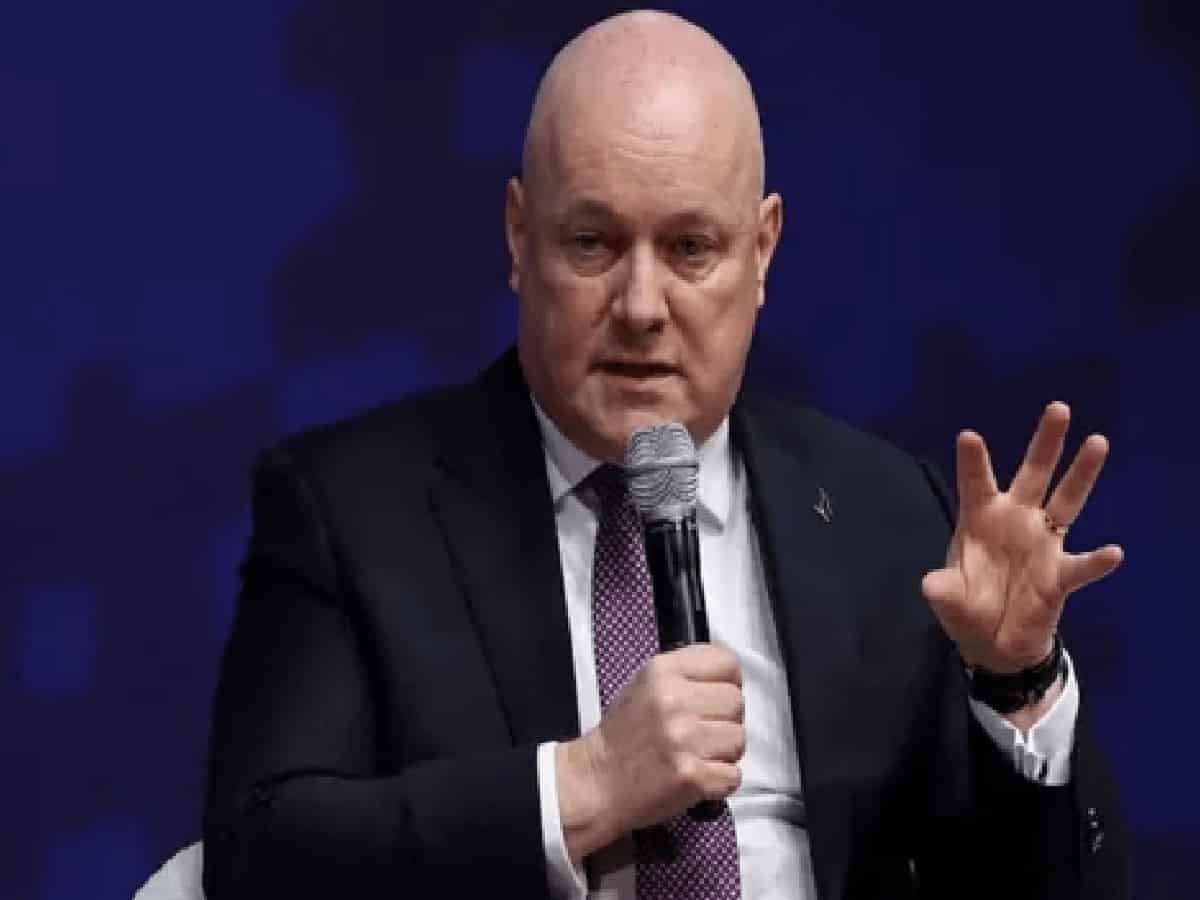
In a major legislative push aimed at protecting youth mental health and digital safety, the New Zealand government is advancing a parliamentary bill to completely ban social media access for children under the age of 16. To enforce compliance, the proposed legislation includes stringent regulatory measures, allowing authorities to impose heavy financial penalties of up to 10 percent of global revenue on technology platforms that violate the rules.
Mandatory Age Verification and Tech Accountability
Under the proposed legal framework, social media corporations would be legally mandated to implement rigorous verification protocols to confirm users’ true ages. This would involve utilizing existing account data, facial recognition software, and official digital identification documents.
Prime Minister Christopher Luxon defended the bold move, emphasizing the profound psychological toll that unregulated digital platforms inflict on minors.
“We cannot accept the harm being done to an entire generation of New Zealand children,” Luxon stated, pointing out that young users face addictive technology and peer pressures beyond their developmental capacity, which adversely affects family life, mental well-being, sleep cycles, and academic performance.
Political Friction and Coalition Resistance
Despite the government’s strong stance, the bill faces an uphill battle in Parliament due to resistance from political allies. The New Zealand First party, a key partner in the governing coalition, has openly refused to support the legislation.
Party leader and Foreign Minister Winston Peters took to social media to express serious reservations, arguing that the proposed law moves the country in the wrong direction. Drawing comparisons to Australia—which became the first nation to implement a similar under-16 social media restriction—Peters dismissed Australia’s framework as a failure, asserting that monitoring children’s online activity remains the fundamental responsibility of parents rather than the state.
Acknowledging Implementation Challenges
Acknowledging the logistical hurdles ahead, Prime Minister Luxon admitted that enforcement would not be seamless. He noted that while some tech-savvy minors might find ways around restrictions, the underlying social crisis is too critical to ignore or leave unaddressed.