

Nissan Motor Co. is once again under the spotlight after disclosing that its top executives received a combined ¥1.39 billion ($8.7 million) in compensation during the last fiscal year, even as the Japanese automaker remained deep in the red and pushed ahead with major workforce reductions.
The figures were revealed in documents released ahead of the company’s annual shareholders’ meeting and are likely to fuel debate over executive remuneration at a time when Nissan is asking employees and investors to endure a difficult turnaround period.
Executive Rewards Amid Financial Struggles
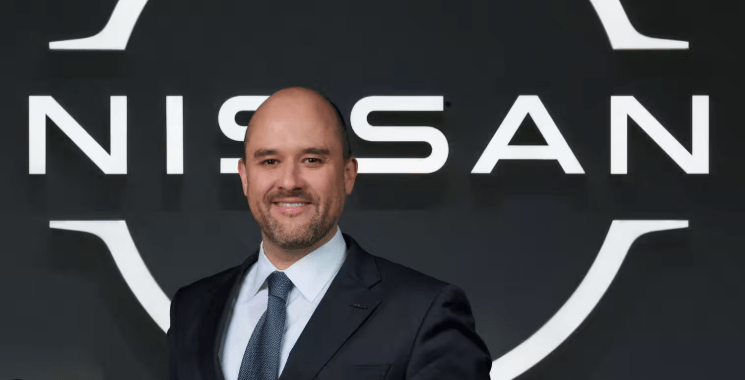
The automaker’s shareholder notice showed that five executive officers, including President and CEO Ivan Espinosa, shared the compensation package for the fiscal year that ended in March.
Although Nissan did not provide a breakdown of how much each executive earned, the company said the remuneration included fixed salaries, performance-related payments and stock-based compensation.
Espinosa has voluntarily given up half of his performance-linked payment, a move that appears aimed at demonstrating accountability as Nissan works through one of the most challenging periods in its recent history.
Still, the disclosure has raised eyebrows, particularly given the company’s financial performance and ongoing restructuring efforts.
Another Year in the Red
Nissan reported a net loss of ¥533.1 billion for the fiscal year ended March 2026. While that represented an improvement from the previous year’s ¥670.9 billion loss, the company has now posted two consecutive years of significant deficits.
The losses were driven in large part by restructuring expenses as Nissan accelerates efforts to reshape its global operations. The company has been under pressure from slowing demand in key markets, intense competition and the enormous investment required to prepare for the future of mobility.
Industry analysts note that many automakers are facing similar challenges, particularly as consumer demand for electric vehicles grows more slowly than some manufacturers had anticipated.
20,000 Jobs Set to Disappear
At the heart of Nissan’s recovery plan is a sweeping cost-cutting programme that includes the elimination of around 20,000 jobs worldwide by fiscal 2027.
The company says the move is necessary to streamline operations, improve efficiency and strengthen its financial position. Production adjustments and broader organizational changes are also part of the strategy.
For employees, however, the announcement has created uncertainty. Against that backdrop, executive compensation has become an especially sensitive issue.
Shareholders Likely to Seek Answers
Executive pay has long been a topic of discussion among investors, particularly when companies are struggling financially. While performance-based compensation is intended to reward leadership for achieving strategic objectives, critics often question such payouts when losses continue and workforce reductions are underway.
For Nissan, restoring profitability remains the immediate priority. But rebuilding trust may prove just as important.
As shareholders prepare to gather for the company’s annual meeting, many will be looking beyond the balance sheet. Questions about accountability, leadership and the pace of Nissan’s recovery are expected to feature prominently in the discussions.
With the automaker still navigating a complex turnaround, executive compensation is likely to remain a closely watched issue in the months ahead.

Comments are closed.