

In a move signaling a broader shift in the automotive industry, Nissan Motor Co. has decided to cancel plans to manufacture electric vehicles at its Mississippi plant. The decision reflects changing market dynamics and a recalibration of the company’s long-term strategy.
For a brand long associated with early EV adoption, especially with models like the Leaf, this pivot stands out. But the reasoning becomes clearer when you look at what’s happening in the market right now.
Back to What Sells: Trucks and SUVs
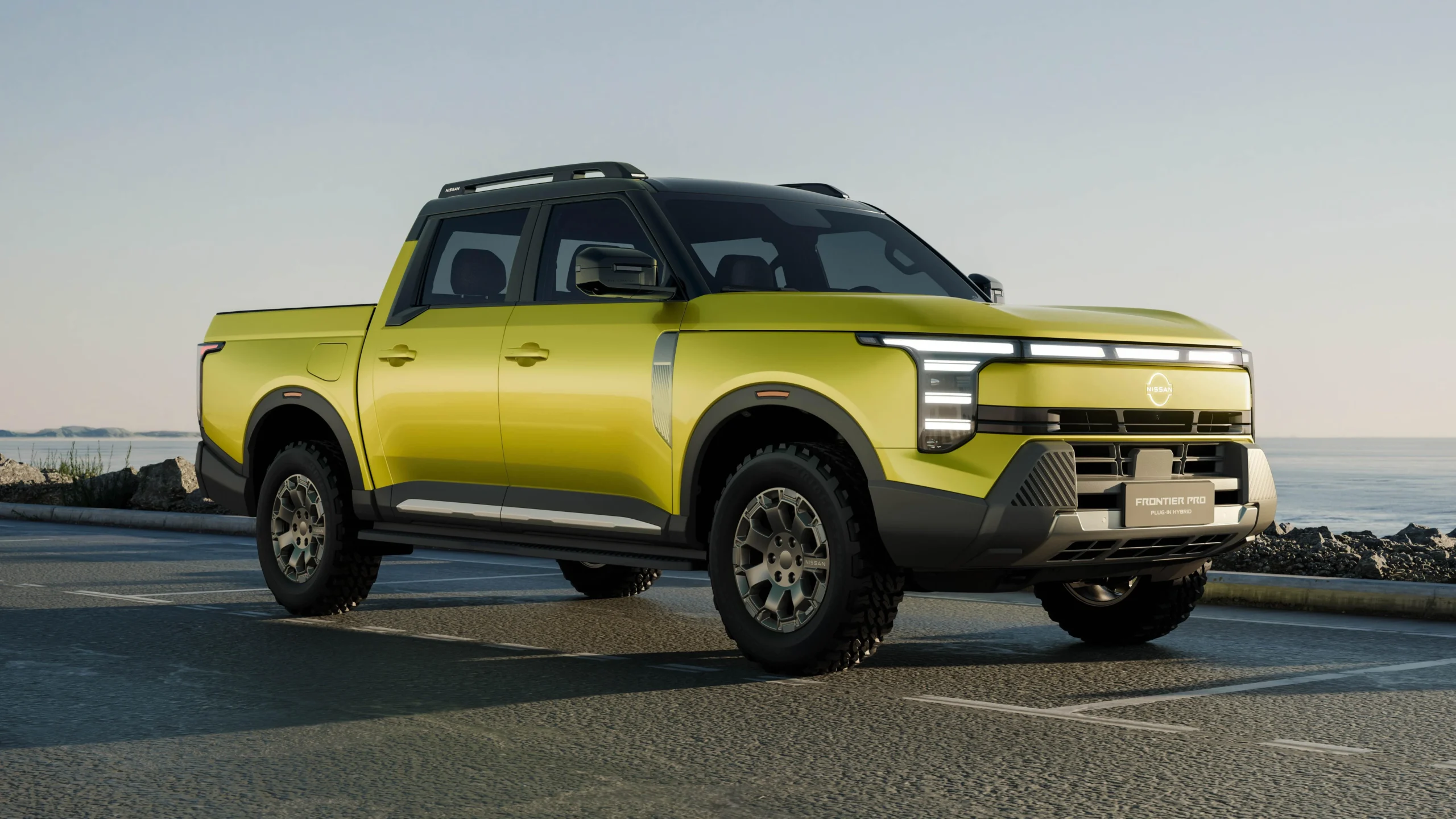
Instead of electric vehicles, Nissan will now focus on producing gasoline-powered trucks and a new generation of body-on-frame SUVs at its Canton, Mississippi, facility. This includes a revived Xterra, expected to launch later this decade, along with a new three-row SUV and future iterations of the Frontier pickup.
Demand in the U.S. continues to lean heavily toward larger, rugged vehicles. Buyers are still choosing trucks and SUVs in large numbers, especially in areas where EV infrastructure hasn’t fully caught up. Nissan seems to be aligning itself with that reality.
The new platform strategy also brings cost advantages. By building multiple models on shared architecture, the company can streamline production while maintaining flexibility across its lineup.
A $500 Million Plan, Quietly Dropped
What makes this shift more significant is the scale of what’s being shelved. A few years ago, Nissan had committed to a major investment in EV production at the same Mississippi plant, including plans for battery manufacturing. The goal was to scale up EV sales in the U.S. significantly by the end of the decade.
That ambition now appears to have been tempered. Slower-than-expected EV adoption, along with shifting consumer preferences, has forced a rethink. The expected discontinuation of certain electric models further highlights the challenges the company is facing in this space.
Not a Full Retreat from Electrification
This isn’t Nissan walking away from electrification altogether. The company is still moving ahead with electrified technologies, particularly hybrid-style systems like its e-Power platform. Future models, including the upcoming Xterra, are expected to incorporate these systems rather than going fully electric.
At the same time, Nissan continues to invest in next-generation battery technologies, including solid-state batteries. So while pure EV production in Mississippi is off the table, the broader electric roadmap is still very much alive—just more measured.
Part of a Bigger Industry Trend
Nissan’s move reflects a wider trend across the global auto industry. Several manufacturers are rethinking aggressive EV timelines, choosing instead to balance electric ambitions with continued investment in internal combustion and hybrid vehicles.
The transition to electric mobility is clearly underway, but it’s not moving as quickly as once predicted. Concerns around charging infrastructure, pricing, and real-world usability continue to influence buying decisions.
The Road Ahead
For Nissan, the U.S. remains a critical growth market. The company is targeting strong sales growth in North America over the next decade, and aligning production with current consumer demand will be key to achieving that.
This shift may not be headline-grabbing in the traditional sense, but it’s grounded in market reality. And in an industry that’s evolving as quickly as this one, that kind of clarity could prove to be a smart move.

Comments are closed.