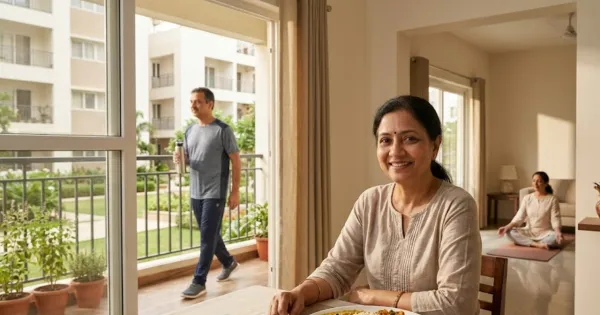
At present, diabetes is one of the fastest growing lifestyle diseases worldwide. India has also come to be called the “Diabetes Capital” because the number of diabetic patients is continuously increasing here. Irregular daily routine, unbalanced diet, mental stress, lack of physical exertion, obesity and genetic reasons are its main reasons.
In Ayurveda, diabetes has been described under the disease “Prameh”. Great Ayurvedic scholars like Charak, Sushruta and Vagbhata have described in detail the causes, symptoms, treatment and diet of gonorrhea. According to Ayurveda, diabetes can be controlled not only through medicines, but also through proper diet, regular routine, yoga, pranayam and mental balance. The principle of Ayurveda is – “Diet is the best medicine.”
Nature of Diabetes (Prameh) in Ayurveda
According to Ayurveda, when there is excess of Kapha dosha, meda dhatu and clay in the body and agni (digestive power) slows down, then gonorrhea occurs. Improper eating for a long time, consumption of excessive sugary foods, sleeping during the day, lack of exercise and mental stress affect the body's metabolism, due to which diabetes develops.
Many types of gonorrhea have been described, of which diabetes is considered to be the most serious condition. In modern science it is known as imbalance of blood sugar, while Ayurveda associates it with the distorted metabolic process of the entire body.
Importance of balanced diet in diabetes
A balanced diet plays the most important role in the treatment of diabetes. If the patient controls his diet, the need for medicines can be reduced and complications can also be avoided. The food should be such that it is easily digestible, nutritious, fibrous and has low glycemic index. Instead of eating too much food at once, it is beneficial to eat small amounts of food four to five times a day. Due to this, the sugar level in the blood does not increase suddenly and the body continues to get energy.
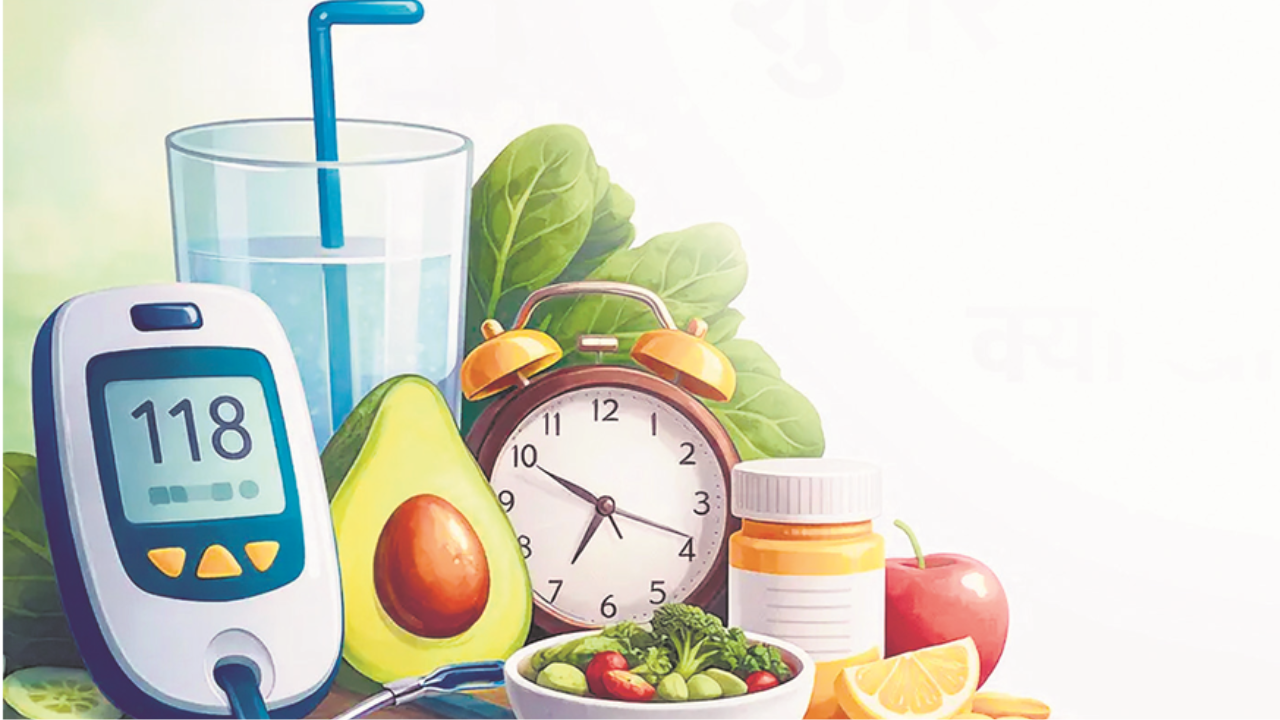
what should diabetic patients eat
– Diabetic patients should include whole grains, coarse grains, pulses, green leafy vegetables and seasonal less sweet fruits in their diet. Use of coarse grains like barley, millet, ragi, kodo, jowar along with wheat is considered extremely beneficial. They contain adequate amount of fiber, which slows down the absorption of glucose in the blood.
Does.
Consuming pulses like moong, lentils and urad (in limited quantity) provides protein to the body. Sprouted grains are also considered best for diabetic patients.
– Among green vegetables, bitter gourd, bottle gourd, zucchini, parwal, spinach, fenugreek, drumstick, tinda, cabbage and cucumber are especially beneficial. They provide vitamins, minerals and fiber to the body and help in controlling blood sugar.
Importance of fiber- It is necessary for diabetic patients to have adequate amount of fiber in their diet. Fibrous foods slow down digestion, preventing blood sugar from rising rapidly after meals. Lettuce, sprouts, psyllium, flax seeds and green vegetables are excellent sources of fiber.
-Suitable oils and fats- Oil should be used in limited quantity. Limited quantity of sesame oil, mustard oil, peanut oil or ghee can be beneficial. Use of trans fat, vegetable ghee and repeatedly heated oil is harmful.
Which drinks are beneficial?
Diabetic patients should drink adequate amount of lukewarm or normal water throughout the day. Buttermilk without sugar, fenugreek water, light decoction of cinnamon, amla juice and bitter gourd juice can be taken in limited quantities as per medical advice. Sweet soft drinks, packaged juices, energy drinks and tea and coffee with high sugar content should be avoided.
Avoid these foods
– Diabetic patients should stay away from sugar, jaggery, sweets, cakes, pastries, chocolate, ice cream and sweet beverages.
– Foods made from flour like pizza, burgers, pasta, noodles, white bread and bakery products should be limited or not consumed at all.
– Fried foods, snacks, chips, excess salt, pickles, papads and excessively oily foods should also be avoided.
– Smoking and alcohol increase the complications of diabetes, hence they should be completely avoided.
right way to eat
– Meals should always be taken at fixed times. One should never skip breakfast. Keep dinner light and have it at least two hours before sleeping.
– Food should be chewed thoroughly and eaten slowly. Staying hungry for a long time and eating too much at one go are both harmful.
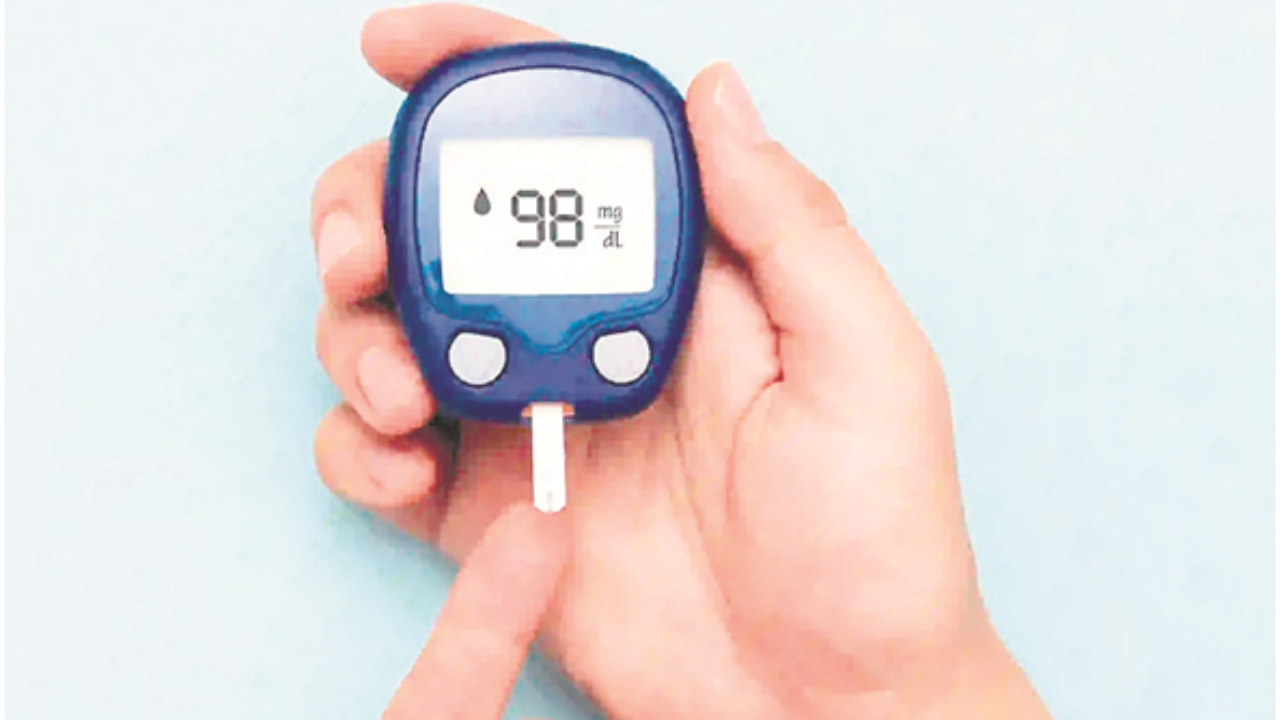
Importance of exercise and yoga
– Merely controlling food is not enough. It is very important to walk briskly, do yoga and pranayam for at least 30-45 minutes every day.
– Mandukasana, Ardhamatsyendrasana, Bhujangasana, Pawanmuktasana, Vajrasana and Tadasana are considered beneficial for diabetic patients. Anulom-Vilom, Bhramari and Kapalbhati (as per medical advice) can be useful in Pranayama.
– Walking for about 10-15 minutes after meals is also helpful in controlling blood sugar.
beneficial ayurvedic medicinal substances
– There are many natural medicines described in Ayurveda, which are considered helpful in controlling diabetes.
– Fenugreek seeds contain soluble fiber, which helps in controlling blood sugar.
– Bitter gourd is considered helpful in improving the functioning of the pancreas.
Jamun seed powder is traditionally used in diabetes. Although its use in diabetes is not mentioned in the fundamental principles of Ayurveda.
– Gudmar (Meshshringi) is considered helpful in reducing the sensation of sweet taste and controlling glucose.
Neem leaves, Amla, turmeric, cinnamon and Giloy are also considered useful in Ayurveda. These should be consumed only on the advice of a qualified Ayurveda doctor.
Importance of menstruation from Ayurvedic point of view
mental health impact
Stress, anxiety and insomnia can increase diabetes. Therefore, it is necessary to maintain positive thinking, meditation, regular sleep and mental balance. Quality sleep of 7-8 hours daily helps in keeping the hormonal system of the body balanced. of diabetes
Possible complications
If diabetes remains uncontrolled for a long time, serious complications such as heart disease, kidney problems, eye retinopathy, nerve damage, foot ulcers and infections can occur. Therefore, it is necessary to get blood sugar, HbA1c, blood pressure, lipid profile and eyes and feet checked regularly.
Adopt Ayurvedic lifestyle
Ayurveda emphasizes not just on medicine but on a healthy lifestyle. Waking up on time, doing regular exercise, eating a balanced diet, sleeping on time, consuming seasonal fruits and vegetables and adopting a routine according to nature proves to be very effective in controlling diabetes.
General Precautions: Diabetic patients should not stop medicines without consulting their doctor. Keep checking blood sugar regularly. Take special care of your feet, wear comfortable shoes and do not ignore any wounds. Carry medicines, light snacks and water while travelling. Use any Ayurvedic medicine or home remedy only under the guidance of a specialist doctor.
Rohilkhand Ayurvedic Medical College and Hospital is committed to continuously spread awareness about the prevention and treatment of lifestyle diseases like diabetes in the society. From time to time, the institute organizes free health check-up camps, blood sugar testing, Ayurvedic consultation, Panchakarma therapy, yoga and pranayama training, diet counseling and public awareness programs.
The experienced Ayurvedacharyas of the institute prepare individual treatment plans after evaluating the nature, condition of the defects and health condition of each patient. Along with medicinal treatment, patients are also given detailed guidance regarding balanced diet, daily routine, regular exercise and stress management. The aim of the institute is not only to cure the disease but also to motivate people to adopt a healthy lifestyle and ensure prevention of complications of diabetes.
-Rohilkhand Ayurvedic Medical College and Hospital Bareilly, Sector-7, Ramganga Nagar Yojana, Dohra Road, Bareilly, Uttar Pradesh +91 8077808309
Disclaimer: This article is for general health-awareness. Any decision regarding treatment of diabetes, change in medication or consumption of any Ayurvedic medicine should be taken only after consulting your doctor/qualified Ayurvedic specialist.
Courtesy: Lokdarpan