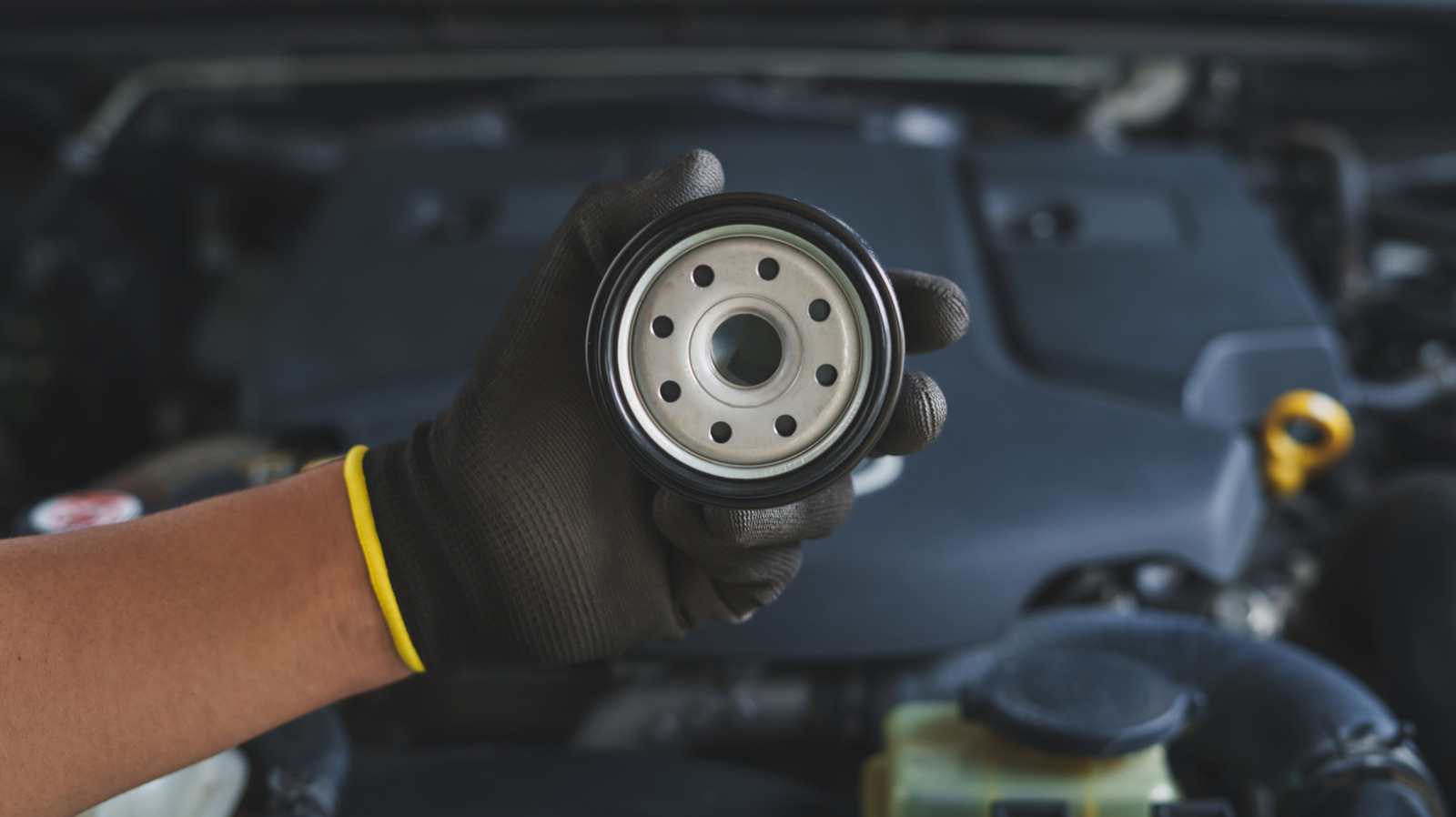
Getting your oil changed at an auto center also means getting a new oil filter. It’s the part of the process that kind of gets overlooked during this routine bit of maintenance, but it really shouldn’t. Your oil filter has a very important, very direct role in protecting an engine from contaminants. The choice between original equipment manufacturer (OEM) vs. aftermarket oil filters is not a trivial one. Which is the better, safer bet for your car? And is there one that could be more likely to cause damage over the other?
All valid questions, especially when the OEM vs. aftermarket debate matters so much with things like wear-and-tear parts. The good news: An aftermarket filter can be a perfectly suitable replacement for an OEM filter. There are some great oil filter brands out there, too. Ultimately, your deciding factors are less about the logo on the filter and more about whether the replacement is properly matched to your vehicle and whether it’s built to maintain proper oil flow throughout the service interval. As long as the specs are a perfect match your car’s, then it doesn’t matter which you use.
The difference between OEM and aftermarket oil filters

Broadly speaking, OEM filters are made by the vehicle manufacturer or a company working under contract with it, while aftermarket filters come from independent manufacturers. By its very nature, an OEM filter is designed specifically for the vehicle. It’s a straight replacement with specifications intended to match the original component exactly. Aftermarket filters are made to serve the same basic purpose, but their construction, materials, and performance can vary quite a bit from one brand to another. Choose the wrong aftermarket filter, and you’ll have contaminants enter the engine or prevent oil from circulating properly. That’s not something you really have to worry about with OEM filters, though.
So why do aftermarket filters even need to exist in the first place then? Well, for many drivers, the strongest argument is cost. OEM components generally come with a higher price tag because you’re on the hook for a manufacturer-specific product with the quality controls that come with being part of the vehicle brand. Aftermarket filters can be a lot less expensive by comparison. That said, low-cost filters tend to rely on cheap materials that can get blocked up faster. You may end up needing to replace them more often as a result, and that could cost you more than just buying OEM from the jump.