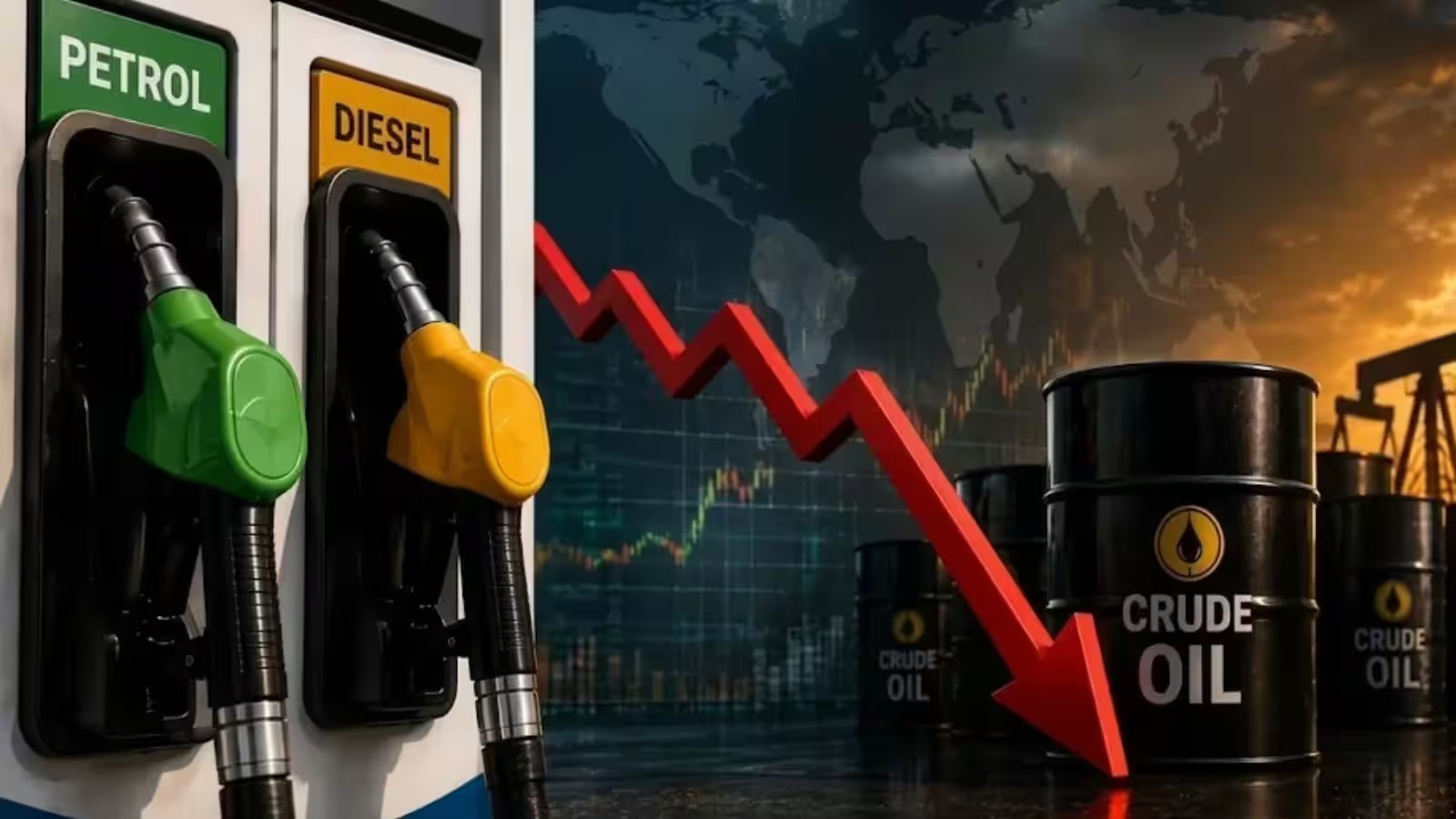
The chaos over fuel supply and the 'oil drought' like situation that was prevailing in various parts of the country for the last few days is now gradually becoming normal. The lifting and distribution of petroleum products from the refineries has started smoothly, due to which the long queues at the pumps in the country seem to be reducing. But meanwhile, the pictures of continuous and rapid movement of oil tankers from outside the depots and plants connected to the fuel distribution system have given rise to a new debate and concern. Transporters and local experts say that when sufficient stock of fuel is available, is there any major strategic reason behind the sudden rush of tankers and increase in supply. Now the biggest question arising in the minds of the general public is whether after this easy supply, there will be any major relief in the prices of petrol and diesel in the country or will the prices remain the same. According to experts, whenever there is a temporary shortage of fuel in any area or a rumor spreads, oil companies have to make more trips than usual to clear the backlog. The rapid release of tankers from depots indicates that oil marketing companies (OMCs) are working on a war footing to fill the tanks of retail fuel stations (Retail Outlets) to full capacity. However, fluctuations in logistics and transportation costs within this system have a direct impact on fuel prices. The supply may have become normal, but the cost of transportation of diesel and petrol still remains a big factor, due to which there is a constant debate among petrol pump dealers and transport organizations whether this will provide relief to the common man. Equation of international crude oil prices and prices of petrol and diesel in the domestic market: Talking about the international prices of crude oil, a mixed trend has been seen in the price of Brent crude in the global market during the last few weeks. Amidst geopolitical tensions and slowdown in global demand, the decisions of the Organization of Oil Producing Countries (OPEC+) have kept prices within a certain range. India imports more than 85 percent of its crude oil needs, so every fluctuation in the international market directly affects the country's economy and retail fuel rates. Economic analysts believe that even if the fuel drought within the country has ended and supplies through tankers have been restored, unless there is a major and permanent decline in global crude oil prices, consumers may have to wait a long time for any significant cut in the retail prices of petrol and diesel. Expectations of the common man and future strategies of the government and oil companies The middle class and motorists of the country always expect that any kind of relief on the fuel front will directly benefit the pockets of the common people. The government and oil companies are constantly making efforts to ensure that the supply chain runs without any interruption in every corner of the country so that any emergency or rumor does not impact the market. At the local level, transporters and citizens have to understand that smooth availability of fuel is what keeps the wheels of the economy moving forward. It will be very interesting to see in the coming weeks whether global market dynamics bring any new relief in the prices of petrol and diesel in India or whether consumers will have to make do with their old wallets.