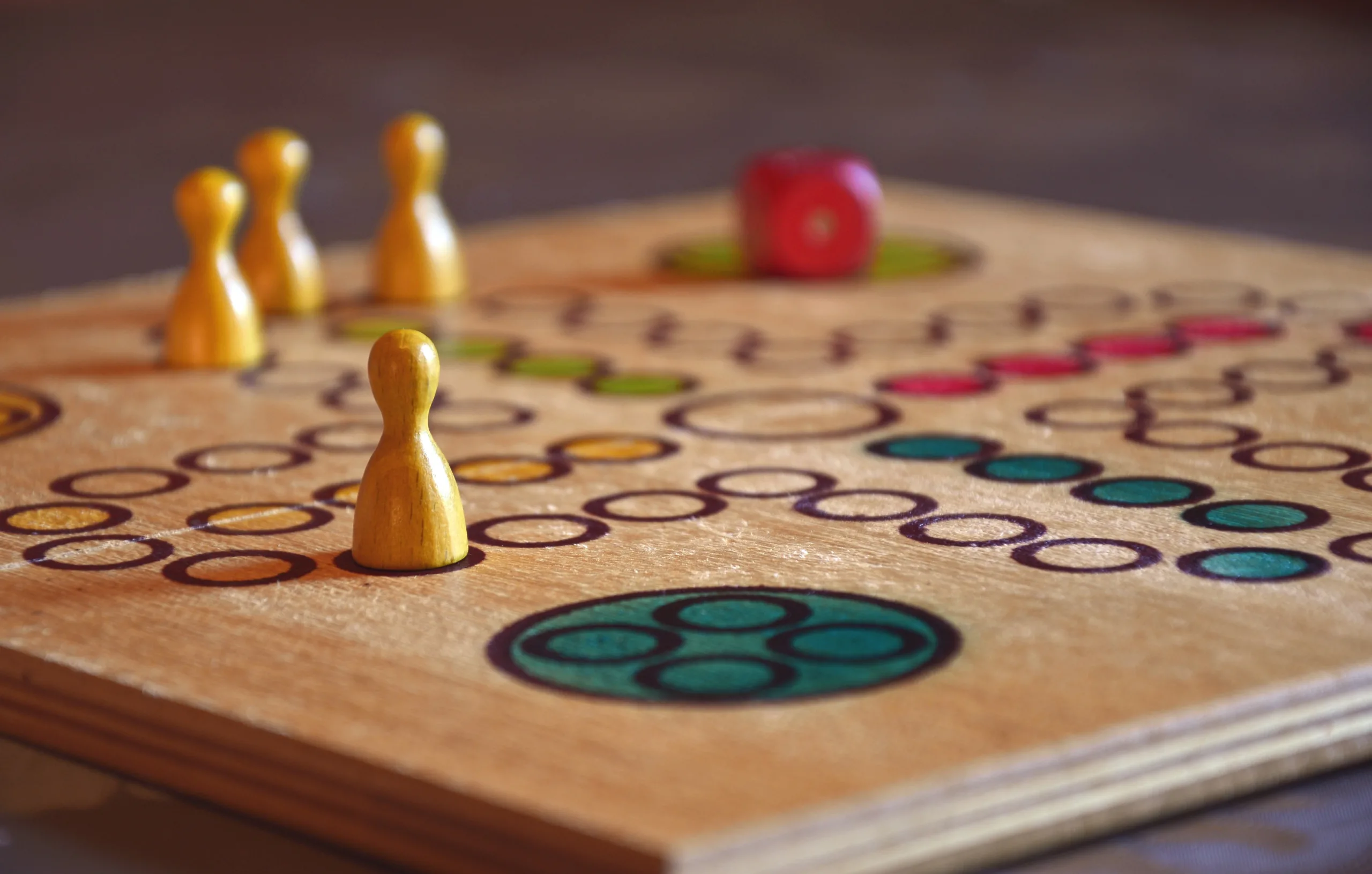
Whatever tech companies may have to say, entertainment doesn’t always need to feel fresh and new. Across India, activities enjoyed long before the arrival of smartphones have found a new lease of life on screens. Chess, Ludo, card games, and quizzes have all been adapted for people who use their phones for leisure time.
Traditional ways of spending time together have not disappeared. A family card game or evening with friends offers something a screen cannot reproduce. Digital versions simply make familiar activities available when distance, work or busy schedules make meeting difficult.
Familiar Games Have Gone Mobile
If you look at India, you’ll find that it had a rich culture of social games before mobile gaming existed. Ludo has its roots in the ancient game Pachisiwhile chess developed from the game Chaturanga
Both have been adapted to work amazingly well on smartphones. The appeal of the games has nothing to do with elaborate graphics. It’s all about having rules that are familiar and that friends can play together, even if they’re not in the same room.
Ludo King is a striking example. Developed by Indian company Gametion Technologies, the digital version of the traditional board game has accumulated more than one billion downloads.
Distance Does Not Have to End Games Night
Families and friendship groups are spread across different cities and even countries. Someone who lives in Mumbai may well have siblings in Bengaluru and friends who work overseas. This can make a regular get-together hard to arrange.
Multiplayer games provide another way to stay connected. A game can accompany a group chat or video call, providing a shared activity rather than leaving everyone simply exchanging messages.
Quizzes have made a similar transition. Friends can create questions, use quiz applications or compete in general-knowledge games remotely. A simple Zoom call or FaceTime can allow people to come ‘face-to-face’ to enjoy the quiz format, no matter how far apart they physically are.
Even online bingo takes a familiar communal format and adapts it for remote participation. Its straightforward rules and emphasis on anticipation make it relatively easy to translate from a physical venue to a screen.
Television Has Become Social Again
Of course, games aren’t the only form of entertainment that are adapting to digital life. Watching TV once meant that everyone had to gather around the screen at a set time to enjoy a programme. The arrival of streaming changed all of that, with the ability to watch programmes from practically anywhere and at any time.
Some of the social element has now returned, but in a different guise. Friends discuss episodes through WhatsApp, exchange recommendations or watch the same programme while messaging one another.
Indian audiences can choose between Hindi cinema, regional films, international programmes, reality television and sport. Cricket shows that change particularly clearly, with major competitions attracting enormous streaming audiences alongside traditional TV viewers.
While the screen may be smaller and more personal, entertainment can still provide a reason for people to connect.
Live Entertainment Has Expanded
Live streaming has also changed what can be experienced remotely. Sport, concerts, fitness classes, religious events and gaming broadcasts can all reach audiences as they happen.
Other entertainment industries have adopted the same technology. A live casinofor instance, uses video streaming to present traditional table games with human dealers to remote adult players. It is about gambling rather than being an ordinary casual game, but it demonstrates how activities once strongly associated with physical venues can be adapted for live online audiences.
The trend goes far beyond gaming. Live video allows an event taking place in one location to become immediately accessible elsewhere.
Offline Entertainment Still Matters
Convenience doesn’t automatically make digital entertainment better. Sitting opposite someone during a board game creates conversations and spontaneous moments that are difficult to reproduce through an application.
There is also value in spending time away from screens. Work, communication, shopping and entertainment already keep many people connected to devices throughout the day. Reading a physical book, cooking, gardening, walking or meeting friends provides a change of pace.
There is no need to choose exclusively between the two. Someone might play Ludo on a phone with a distant relative during the week and bring out the physical board when family members meet at the weekend.
Old Ideas Can Find New Audiences
Technology is often described as replacing what came before, yet leisure suggests something more complicated. Chess survived video games, books survived streaming, and board games survived smartphones.
Digital technology has instead given many familiar activities additional forms. It can connect people separated by distance, make hobbies easier to learn and help traditional games fit around modern schedules.
Sometimes, successful digital entertainment does not require inventing an entirely new pastime. It simply makes something people have enjoyed for generations easier to access in today’s world.