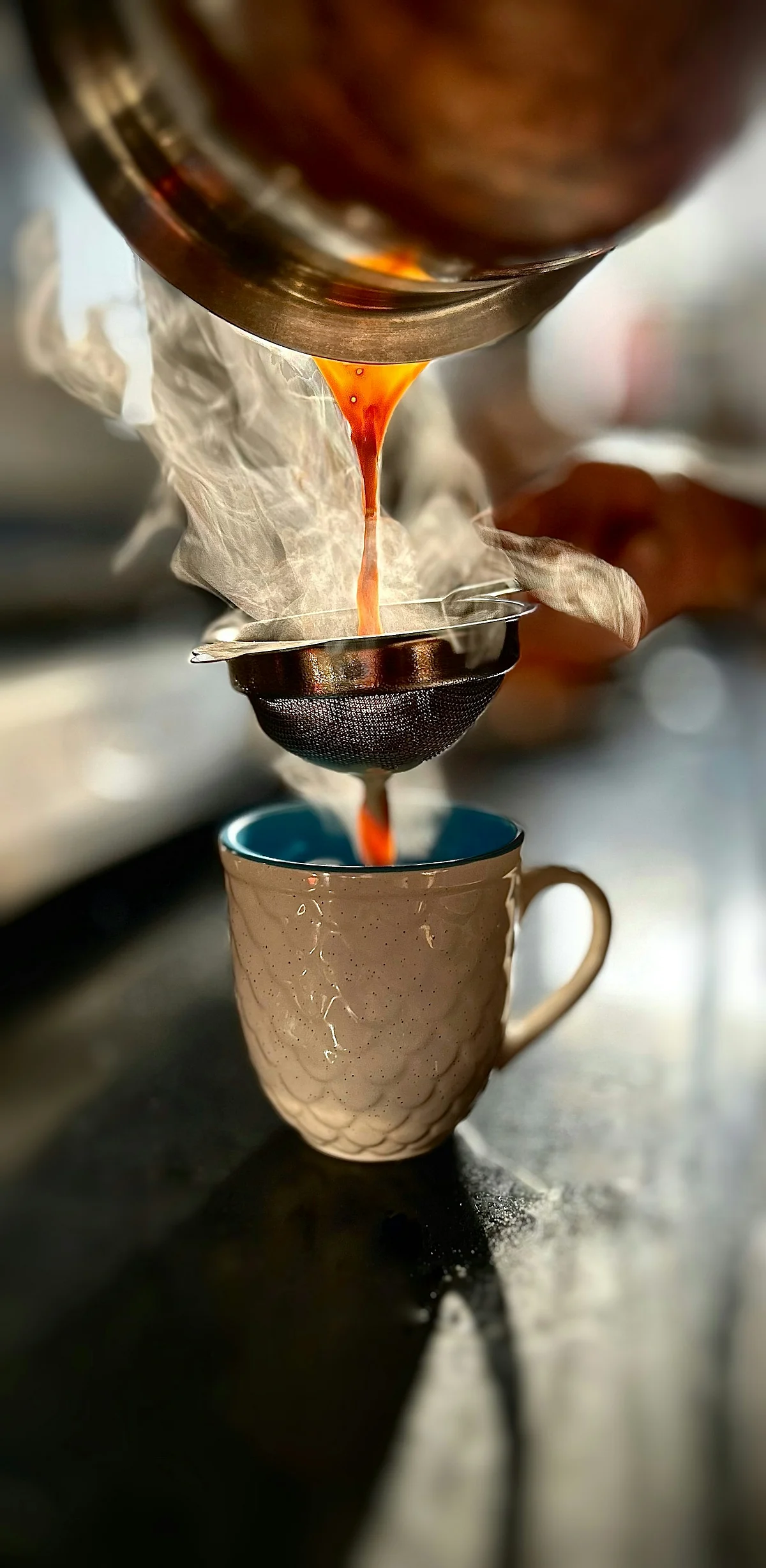
Tea, Cha, Chai, and so on are different names for one of the most widely consumed magical drinks. For many, it is more than a drink. It is the first comforting sip of the morning, a revitalising pause between chores, a reason to sit down with a friend, or the cup around which stories from the day are shared among families.
This brew has been an important ingredient in diets across geographies, found at times as an herbal concoction that relieves pain, or as a beverage that wakes the senses. Ahead of September 21, which is celebrated as National Chai Day in many parts of the world, TNIE explores some of the unique Chai flavours from around the globe.
A brief history of Chai
Tea is said to have been discovered in China over 5,000 years ago. The plant is called ‘Camellia sinensis’. The leaves of these bushes, grown at high altitudes, were commonly chewed by people for instant energy. Tea plants were first cultivated by Chinese merchants, and later the British found an interest in tea production.
As tea reached across British colonies, it slowly started spreading across the world. Now, a popular drink, tea has travelled through many cultures, from East Asian tea ceremonies and British Afternoon tea to modern varieties of boba, matcha, and more.
Persian tea
Tea found its way to Greater Persia through the Silk Road from India. Iranians traditionally pour the tea into a saucer and keep a lump of rock sugar in the mouth before drinking it.
Ingredients
Loose tea leaves:1 ½ tbsp
Water
Rock Sugar: 1 or 2
Method: Bring 2 cups of water to a boil. Add 1 ½ tbsp loose tea to it. Cover the teapot loosely with a folded napkin. Steep the tea for 10 to 15 minutes, or until the desired colour is achieved. Meanwhile, boil another 6 to 8 cups of water, and let it remain hot. Use a strainer and pour about 2 ounces of the brewed tea into each tea glass, then add freshly boiled water as needed.