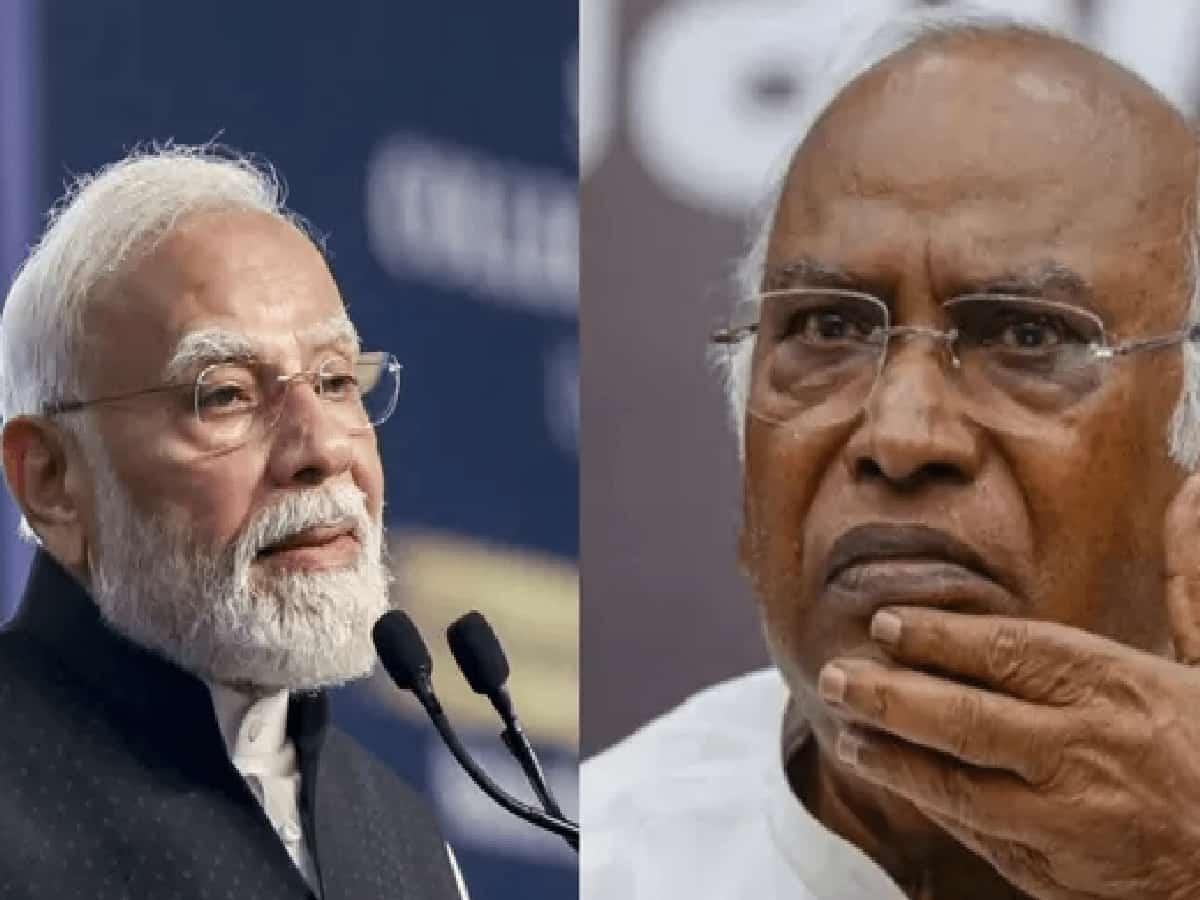
Political tensions have erupted across the country following Prime Minister Narendra Modi’s address at the centenary celebrations of Delhi University’s prestigious Shri Ram College of Commerce (SRCC). While addressing an audience of students and academics, the Prime Minister launched a sharp critique against political critics, introducing controversial terms such as “mental Naxals” and “angry uncles.” Opposition leaders swiftly fired back, accusing the ruling dispensation of misusing a revered academic platform for political partisanship and attempting to divert public attention from pressing issues like unemployment, inflation, and educational reforms.
Prime Minister Modi Defends ‘Homeopathic Pill’ Remarks and Economic Progress
During his 50-minute speech, Prime Minister Modi reflected on his previous 2013 visit to the same institution as Gujarat Chief Minister, contrasting India’s past economic vulnerabilities under the “Fragile Five” tag with the current era of policy dynamism. Recalling his recent Independence Day themes, the Prime Minister doubled down on his critique, asserting that administering a metaphorical “homeopathic pill” had exposed ideological adversaries whom he labeled as “mental Naxals.” Furthermore, he categorized critics into societal archetypes, describing those who reflexively oppose national progress and new initiatives at every turn as “angry uncles” attempting to stall systemic growth.
Opposition Leaders Condemn Political Rhetoric on Academic Platforms
The remarks drew immediate and vehement condemnation from key opposition figures. Congress President Mallikarjun Kharge lambasted the Prime Minister for turning an educational milestone into a political campaign platform, stating that the occasion should have focused on youth employment and academic futures. Kharge accused the administration of inventing a rotating vocabulary of derogatory epithets—ranging from “urban Naxals” and “parasites” to “angry uncles” and “brainless Naxals”—to suppress democratic dissent and conceal governance failures. Echoing these sentiments, Congress leader Pawan Khera argued that the rhetoric reflected an underlying insecurity after 12 years in power, while RJD MP and former DU faculty member Manoj Jha expressed disappointment that foundational university issues regarding infrastructure and faculty shortages were ignored in favor of partisan attacks.