
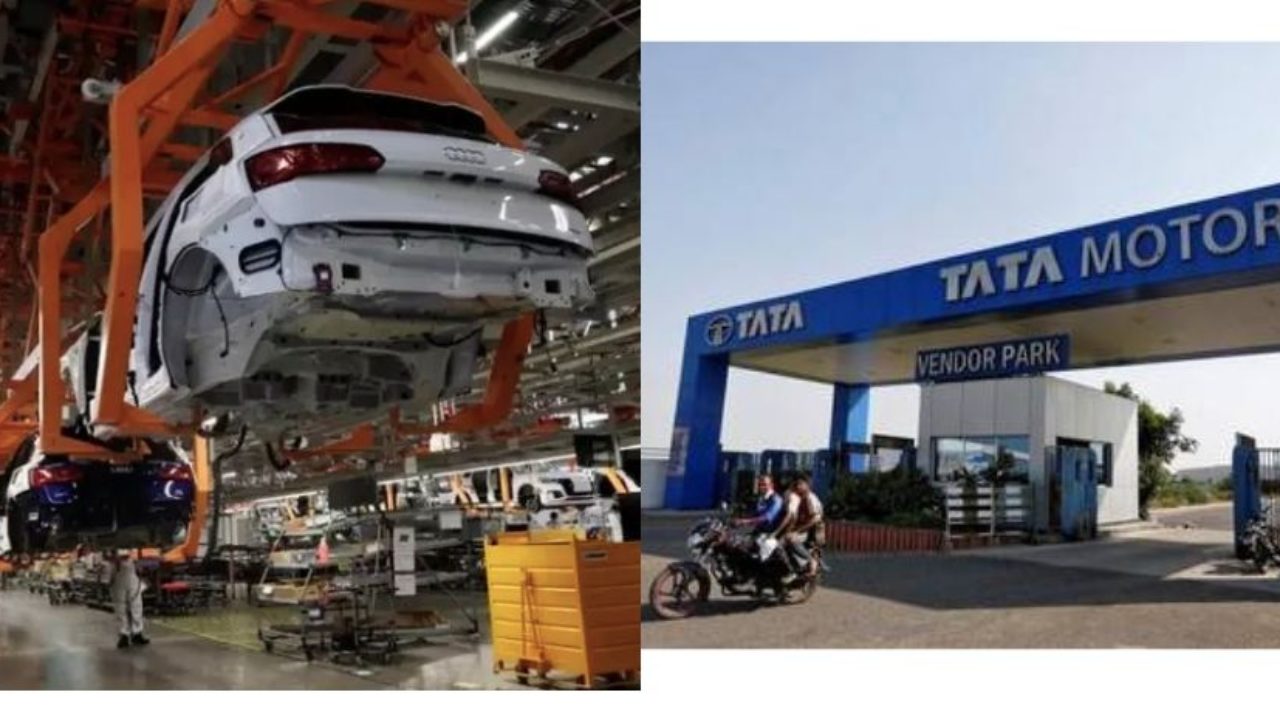

Tata Motors has introduced a voluntary retirement scheme (VRS) for employees across its passenger and commercial vehicle businesses, with nearly 275–300 employees reportedly opting for the offer. The move comes as the automaker continues restructuring operations while accelerating its transition toward electric vehicles (EVs), automation, and leaner manufacturing systems.
The scheme reportedly targeted around 750 permanent employees aged between 40 and 55 years and remained open from April 10 to April 30, 2026.
First Major VRS After Tata Motors’ Business Split
This is Tata Motors’ first major VRS exercise since the company split its passenger vehicle (PV) and commercial vehicle (CV) businesses into separate listed entities in 2025.
According to reports, worker unions across Tata Motors factories had also pushed for a structured retirement scheme for long-serving employees.
The company reportedly described the initiative as:
- Voluntary in nature
- Focused on employee wellbeing
- Part of efforts to become “efficient, agile, and future-fit”
EV Transition Is Changing Workforce Requirements
Industry experts say the VRS reflects broader changes happening across the global automobile sector as companies transition from internal combustion engine (ICE) vehicles to electric vehicles.
EV manufacturing generally requires:
- Fewer moving mechanical parts
- Higher automation
- More electronics and software integration
- Lower shop-floor labour intensity compared to traditional vehicles
As Tata Motors expands its EV portfolio, the company is reportedly trying to optimize manufacturing operations and workforce structures accordingly.
Compensation Structure Was Based On Age
Reports suggest Tata Motors designed the VRS package with flexible compensation options depending on employee age and tenure.
According to reports:
- Employees aged 40–45 with at least 10 years of service could receive around 80% of last drawn salary
- Employees aged 45–50 could receive around 90%
- Employees aged 50–55 could receive up to 100% compensation
The compensation reportedly included:
- Basic pay
- Dearness allowance
- Provident fund settlement
- Gratuity
- Leave encashment
- Leave travel allowance (LTA)
Monthly Salary Till Age 60 Was Unique Feature
One of the most discussed aspects of Tata Motors’ VRS was its flexible payout structure.
Employees reportedly had options to choose:
- Monthly payouts until turning 60
or - Lump-sum settlement payments
Industry observers described the monthly payout model as unusual because it provides:
- Long-term income continuity
- Financial stability
- Retirement safety net instead of one-time compensation
Medical Benefits Also Included
The scheme reportedly offered several additional support measures, including:
- Medical benefits for up to 10 years
- Medical assistance of ₹1–1.5 lakh in some cases
- Limited family support in case of employee death
- Pension support aligned with EPFO norms
Tata Motors also reportedly added group incentives ranging from ₹50,000 to ₹1.48 lakh depending on participation levels.
Only Around 40% Employees Opted In
Despite covering around 750 eligible employees, only about 275–300 employees reportedly accepted the VRS offer.
Industry analysts say the relatively modest participation could indicate:
- Employee confidence in Tata Motors’ future
- Preference for job stability
- Cautious response toward early retirement amid uncertain economic conditions
Tata Motors reportedly had around 58,442 employees at the end of FY25.
Part Of Larger Automotive Industry Trend
Experts say Tata Motors’ move reflects broader changes across the automotive industry where manufacturers are increasingly:
- Investing heavily in EVs
- Automating production lines
- Reducing manufacturing costs
- Restructuring legacy workforce models
Global automakers transitioning to EVs often require:
- Different skill sets
- More software engineers
- Battery technology specialists
- Electronics-focused manufacturing capabilities
Tata Motors Betting Big On EV Future
Tata Motors remains one of India’s largest electric vehicle makers and continues investing aggressively in:
- EV manufacturing
- Battery technologies
- EV platforms
- Charging ecosystem expansion
The company’s workforce restructuring efforts are increasingly being viewed as part of a longer-term transformation toward:
- Higher automation
- Lean manufacturing
- EV-first operations
- Cost optimization
Industry observers believe similar workforce adjustments may become increasingly common across the automobile industry as EV adoption accelerates globally.
Comments are closed.