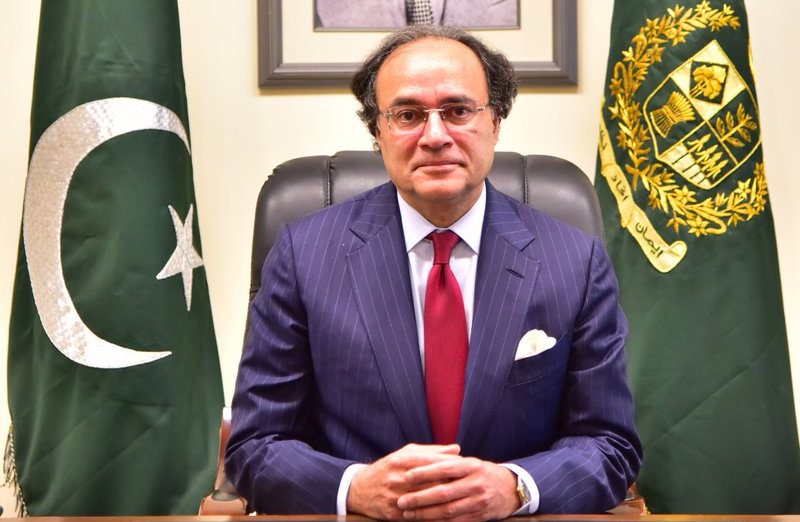
Islamabad: Pakistan has sought a USD 10 billion facility from the US to strengthen its foreign exchange position and reassure international investors, Finance Minister Muhammad Aurangzeb has said, as the cash-strapped country seeks to reduce its dependence on repeated emergency financing from friendly countries.
Aurangzeb said the request had been made to the US Treasury Department and negotiations were under way, but no agreement had been reached so far, according to an interview with Business Recorder newspaper published Thursday.
He said the initiative is aimed at strengthening foreign exchange stability and sending a positive signal to international capital markets rather than securing a conventional loan or credit line.
This is not about a credit line or a loan or whatever. This is a signal about our currency stability, a signal about our foreign exchange stability, and that in turn also allows us that we can go to the market, he said.
Pakistan has been facing pressure on its external payments for several years and came close to default in 2023 before avoiding it with timely support from the International Monetary Fund (IMF) and bilateral partners.
It is currently implementing the USD 7 billion IMF assistance programme agreed in 2024, while the government is trying to improve its creditworthiness and regain regular access to international capital markets.
The proposed USD 10 billion Exchange Stabilisation Support Facility from the US comes as Pakistan seeks to move away from a financing model that has relied heavily on loans, deposits and repeated rollovers from friendly countries to meet its external financing needs.
Aurangzeb said Pakistan’s complete effort was to shift towards market-based financing with longer repayment periods rather than depending on short-term bilateral rollovers.
Some will succeed, while with others there might be issues, he said, adding that the government was nevertheless clear about its objective of reducing reliance on such arrangements.
The minister said Pakistan remained grateful to its bilateral partners for the support extended over the past decade, particularly during the last three years, but its financing strategy was now being recalibrated.
He said the government is working with international credit rating agencies to improve Pakistan’s sovereign rating, which he said had remained stuck since 2003-04.
We want to move at least towards a B+ rating, Aurangzeb said.
A higher sovereign rating would make it easier and potentially cheaper for Pakistan to borrow from international markets and raise debt with longer maturities, he said.
The minister said Islamabad is also in discussions on how to eventually exit some of its existing financing arrangements and expected feedback from either Exim Bank or the US Treasury by the end of September.
Pakistan’s financial vulnerability has been a longstanding concern, with the country repeatedly turning to the IMF and friendly nations to bridge external financing gaps and avoid default.