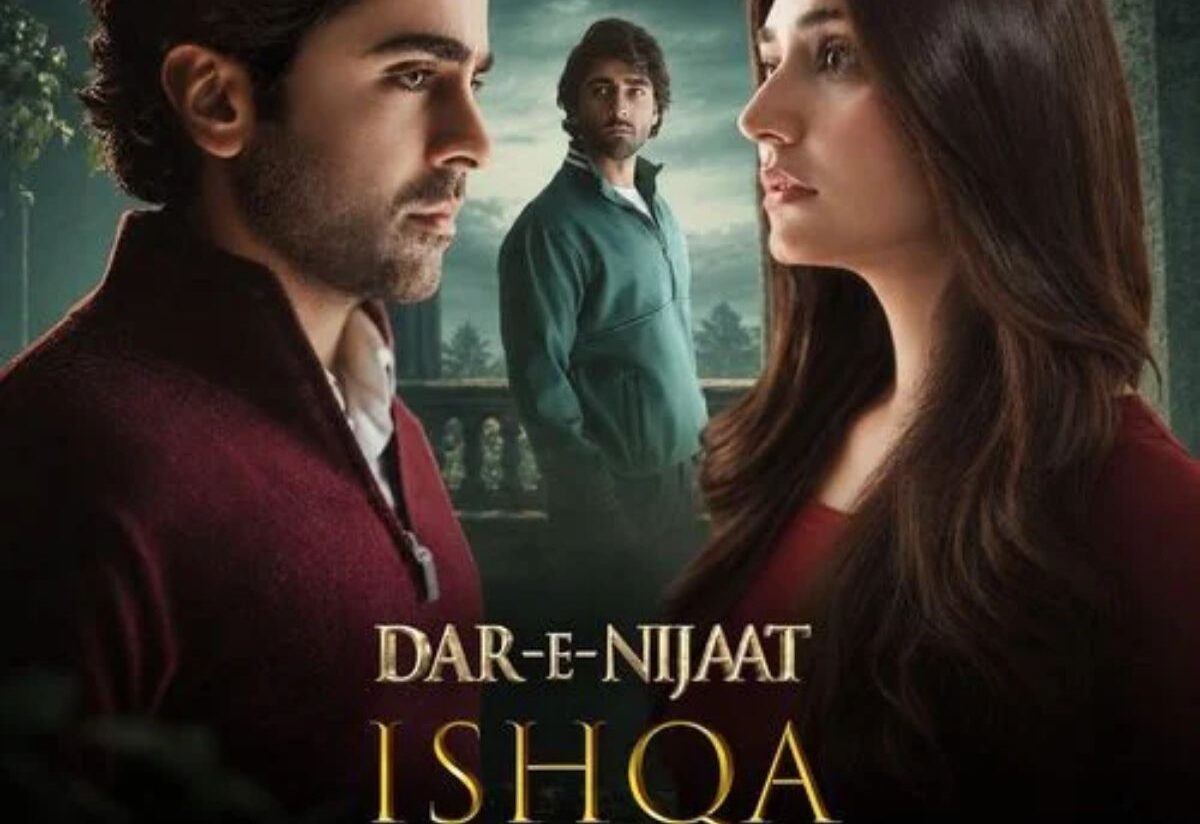
Pakistani Dramas Ban in India: Pakistani dramas are very much discussed among the Indian audience these days. Amidst the ongoing controversy regarding 'Jo Bache Hain Sang Samet Lo', Pakistani serials like 'Dar-e-Nijaat' are also gaining popularity on social media. Interestingly, despite the government advisory issued to ban the content of Pakistani radish in India, people are finding ways to watch these serials. In such a situation, a big question arises that when Pakistani content is banned in India, then how are people watching it? Is watching Pakistani dramas at home on phone or TV also a legal offense or does the ban only apply to streaming platforms and broadcasters? Let us understand.
Why is Pakistani content banned in India?
Citing national security and public order concerns, the Indian government issued instructions to block the availability of Pakistani films, web series, songs, podcasts and other digital content in India. This action was taken under the Information Technology Act and its related regulations.
Under Section 69A of the IT Act, the Central Government has the power to block online content on grounds such as sovereignty, integrity, security and public order of the country. Under this, the concerned digital platforms and service providers are required to follow government instructions.
So how are dramas like 'Dar-e-Nizaat' being watched in India?
Despite the ban, the popularity of Pakistani serials has not decreased. One reason for this is the availability of old videos, clips and other content on social media and video sharing platforms like YouTube. Sometimes, even after a content is banned, parts of it continue to appear on the Internet through different accounts or unauthorized channels.
Additionally, some viewers also try to access such content through platforms or technologies from other countries. But, mere presence of a video on the Internet does not guarantee that its broadcast is authorized in India.
Is watching Pakistani serials a legal offence?
To understand the answer to this question, it is important to consider the language of the government advisory. On May 8, 2025, the Ministry of Information and Broadcasting had advised OTT platforms, media streaming services and internet intermediaries to immediately stop broadcasting content made in Pakistan. This direction was for platforms and content providers, and not to punish the general audience for watching Pakistani dramas.
This means that the general audience cannot be considered criminals just for watching Pakistani serials. There is no general rule in Indian law that considers watching Pakistani serials as a crime. But, this does not mean that every method of accessing banned content is legally correct.
What happens if you use or share a VPN with others?
If a series is blocked in India and someone tries to watch it using a VPN or other technical methods, the circumstances of the case and applicable government orders should be considered. Merely using a VPN does not automatically constitute a crime. Similarly, watching a series in a private room with friends is not the same as attending a public commercial screening.
On the other hand, downloading and re-uploading banned content, distributing it without permission, or hosting commercial screenings without broadcasting rights may raise separate legal questions. Copyright laws, along with IT regulations, may apply. Therefore, it is important to understand the legal distinction between watching Dar-e-Nizaat or other Pakistani dramas and participating in their broadcast or distribution. The main focus of government restrictions is on content providing platforms and middlemen. Action against a viewer cannot be decided solely on the basis of the origin of the content.