– Advertisement –
New Delhi, October 2, 2026 (Yes Punjab News)
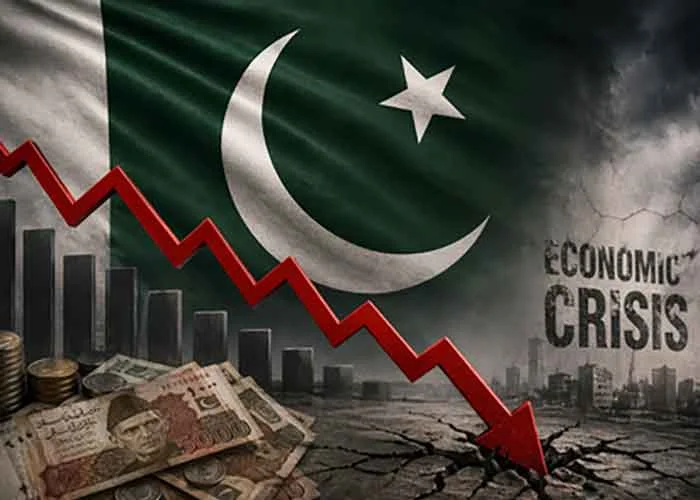
Pakistan's external financial position remains heavily dependent on International Monetary Fund (IMF) lending and deposits from friendly countries, a combination that has helped the country avert repeated balance-of-payments crises but failed to ensure long-term economic stability, according to a report.
A report by Dawn said successive Pakistani governments had relied on foreign financial support linked to the country's geopolitical importance, while failing to establish a sustainable, export-led growth model.
As a result, periods of economic expansion have largely been driven by imports and consumption, leading to recurring pressure on foreign exchange reserves, the report said.
A former military ruler benefited from substantial financial inflows following the September 11 attacks, including foreign aid, debt relief, investment and portfolio flows. However, the opportunity to strengthen Pakistan's export base was largely missed, as the inflows instead fueled consumption, imports and real estate activity.
Pakistan subsequently recorded a then-high current account deficit in 2008, triggering a major economic crisis.
Successive governments struggled to break this pattern. While the China-Pakistan Economic Corridor (CPEC) helped address energy shortages and improve infrastructure, it did not generate the export growth required to reduce the country's external vulnerabilities.
Rising imports once again pushed Pakistan's current account deficit higher by 2018, according to the report.
Although later administrations managed to reduce the deficit temporarily, imports surged again following pandemic-era stimulus measures. Global commodity price shocks and political uncertainty further added to the country's economic pressures.
Pakistan's foreign exchange reserves are now increasingly supported by IMF programs and deposits from countries including Saudi Arabia and China, the report said.
However, these funds do not directly generate economic activity or export earnings and remain vulnerable to changing political and financial conditions.
The report noted that Pakistan had shifted from receiving development-oriented assistance and investment flows to relying on costly loans and short-term deposits.
It warned that without meaningful growth in exports, efforts to stabilize the economy risk leading to prolonged stagnation, leaving the country facing slow growth and the possibility of another foreign exchange crisis.