
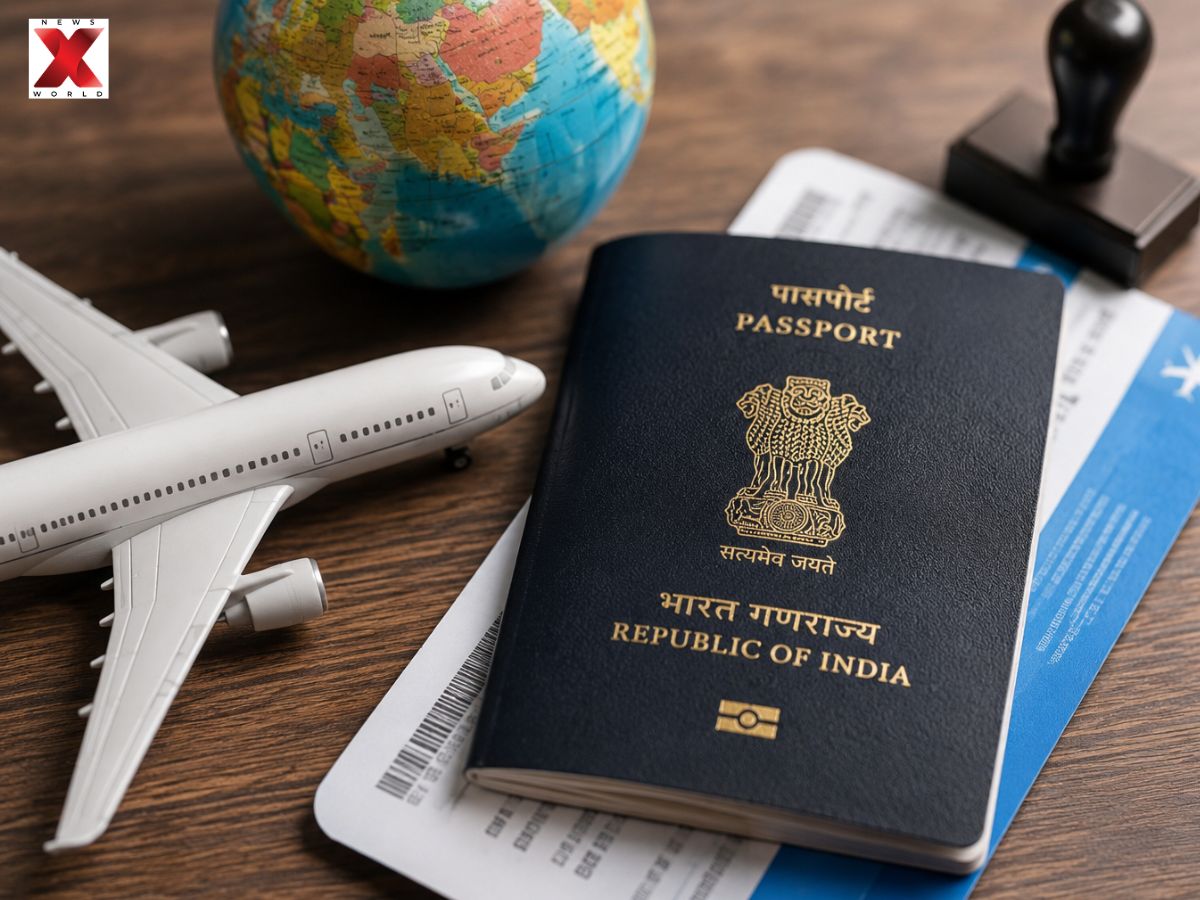

A recent clarification by India’s Ministry of External Affairs (MEA) has reignited a long-running debate over citizenship documentation in the country. The ministry stated that a passport is primarily a travel document and should not be treated as conclusive proof of Indian citizenship. The clarification has generated widespread discussion because many Indians commonly assume that possession of a valid passport automatically establishes citizenship. The issue gained attention after questions were raised about what documents can legally establish Indian citizenship and how citizenship is determined under Indian law. The clarification highlights the distinction between identity documents, travel documents, and evidence used to establish citizenship status.
Why Did The MEA Make This Clarification?
According to the government, a passport is issued to facilitate international travel and serves as an official identity document. However, citizenship in India is governed by the Citizenship Act, 1955, and related rules. Determining citizenship may require examination of various records depending on how an individual acquired citizenship, whether by birth, descent, registration, or naturalisation.
The clarification does not mean passports are invalid or unreliable. Instead, it emphasizes that citizenship questions are decided based on legal provisions and supporting records rather than a single document alone.
Which Documents Can Help Establish Citizenship?
Legal experts note that no single document functions as a universal citizenship certificate for every Indian citizen. The documents required can vary depending on an individual’s circumstances.
Records commonly examined include birth certificates, documents relating to parents’ citizenship, citizenship certificates issued through registration or naturalisation, and other official records maintained under citizenship laws. In some cases, authorities may assess multiple documents together before arriving at a conclusion.
For individuals who obtained citizenship through registration or naturalisation, certificates issued by the government serve as important evidence of citizenship status.
Difference Between Identity And Citizenship
The discussion has also highlighted a distinction that often causes confusion. Documents such as Aadhaar, PAN cards, voter ID cards, and passports help establish identity or eligibility for specific services. However, these documents do not automatically serve as conclusive proof of citizenship in every legal situation.
Citizenship, under Indian law, depends on how a person acquired that status and whether they meet the requirements laid down in the Citizenship Act. Authorities may therefore seek supporting documentation beyond commonly used identity cards when citizenship is formally examined.
Why The Issue Matters
The MEA’s clarification has drawn attention because millions of Indians use passports as one of their most trusted government-issued documents. The statement serves as a reminder that while passports remain essential for international travel and identification, citizenship determination is ultimately a legal matter governed by statutory provisions and supporting records.
ALSO READ: How Did Air India Flight Enter Pakistan Airspace Despite Restrictions? What Happened Next
The post Passport Isn’t Citizenship Proof? Which Documents Confirm Indian Citizenship? appeared first on NewsX.

Comments are closed.