
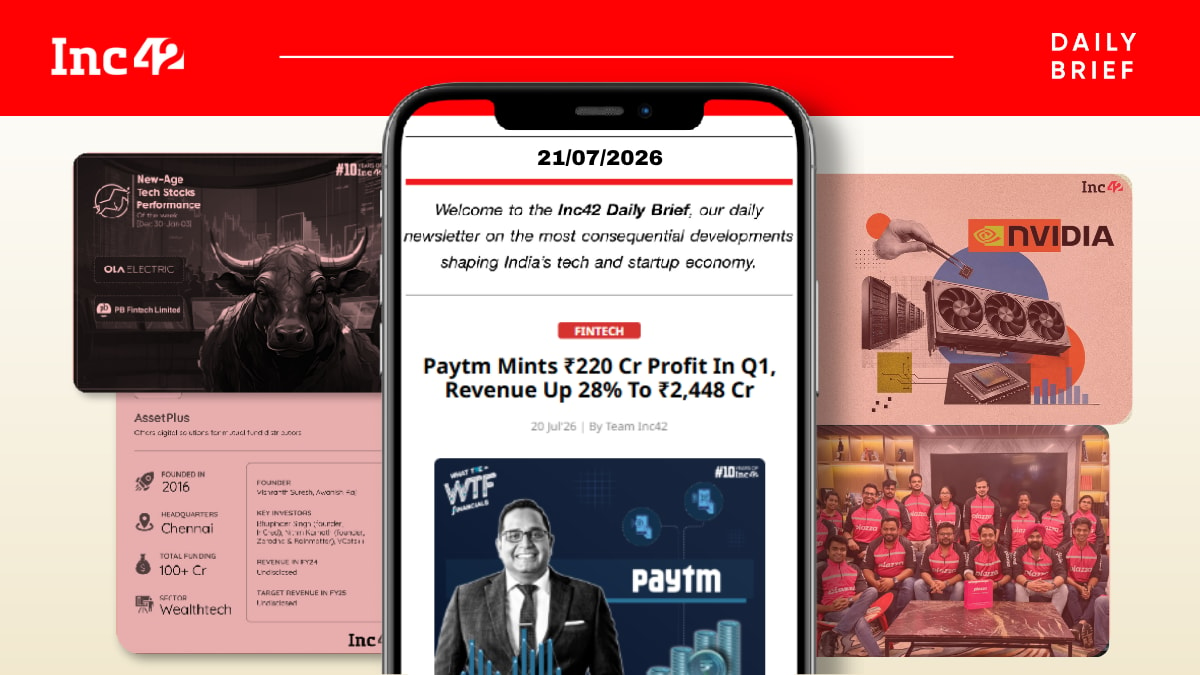

Paytm Posts A Stellar Q1
Buoyed by strong revenue growth, healthy margins, operating leverage and resurgent payments and financial services businesses, the fintech major reported yet another profitable quarter.
Here is a quick snapshot of Paytm’s Q1 FY27 numbers:
- Profit zoomed nearly 79% YoY to ₹220 Cr
- Operating revenue also jumped 27.6% YoY to ₹2,448 Cr
- EBITDA soared 182% YoY to a record ₹203 Cr
- Total expenses rose 18.2% YoY to ₹2,383 Cr
What Drove Profits? Paytm attributes its Q1 growth to four engines: accelerating merchant payments, compounding merchant loans, growing consumer payments vertical and enhanced B2C monetisation via wealth products. Underpinning this momentum was the deployment of AI across core workflows, which unlocked operating leverage and improved profit margins.
Payments Steal The Show Again: The core payments arm contributed more than half of Paytm’s total topline. This came on the back of stronger merchant GMV growth, better processing margins and steady device-led expansion. On the consumer side, expanding user base, rising GTV, and AI-led gains helped Paytm improve both scale and retention.
Lending Stays Strong: The financial services vertical also saw healthy growth acceleration, driven by credit and wealth distribution engines. Both merchant and personal loan disbursements grew, while new monetisation avenues like equity broking, MTF and gold products unlocked high-margin engagement.
Bonus Issue Hitch: Despite the healthy performance, the fintech giant’s board voted against a proposal to issue bonus shares, noting that the company should focus on long-term compounding over short-term optics. However, the board approved a plan to invest up to ₹100 Cr in wholly-owned arm Paytm Money via a rights issue.
Going forward, the fintech major plans to continue chasing acquisitions, re-acquire a wallet licence and increase market share in the merchant card processing segment. With much on its plate, here is how Paytm fared on the financial front in Q1…
From The Editor’s Desk
🏿 NVIDIA’s New GPU Game Plan
- The chipmaker is now offering credit support to AI cloud providers for procuring its GPUs. In return, the chipmaker plans to make money both by selling its chips and taking a share of future revenues earned by these neocloud players.
- For homegrown providers like Yotta, NxtGen and NeevCloud, this formalises the kind of backstop structures they already use. This could make it easier for local AI cloud companies to scale clusters without spending billions on hardware.
- However, critics flag that this could deepen the chipmaker’s influence over India’s AI infrastructure. With US export controls tightening, any priority allocation could make it harder for non-partner players to secure chips despite having demand and capital.
🔬 Redcliffe To Acquire Megavision
- With an eye on strengthening its radiology and imaging business, the healthtech startup is all set to acquire the Pune-based diagnostics chain for about ₹40 Cr. As part of the deal, which will close this month, Redcliffe will retain Megavision’s entire workforce.
- Founded in 2018, Redcliffe Labs operates an omnichannel diagnostics platform that offers 3,600+ pathology tests. It claims to have served more than 4.3 Mn customers in FY26 while conducting 24 Mn diagnostic tests.
- Going forward, Redcliffe Labs is eyeing a revenue of about ₹700 Cr in FY27, implying nearly 50% YoY growth, driven by both organic expansion and acquisitions.
💎 BlueStone Shines In Q1
- The omnichannel jewellery platform retained its profitability in Q1 FY27, reporting a PAT of ₹6 Cr against a loss of ₹34.8 Cr in the year-ago period. This came on the back of operating revenue surging 50% YoY to ₹736.9 Cr.
- However, expenses also continued to bite and zoomed 38% YoY to ₹744.8 Cr during the quarter. But what cushioned the blow was standalone EBITDA, calculated without the impact of Ind AS accounting, more than doubling YoY to ₹55 Cr.
- On the operational front, BlueStone said that it added 12 new stores and entered five new Tier-II and Tier-III cities during the quarter. With this, its store count grew to 352 stores across 139 cities.
💰 Plazza Bags $15 Mn
- The quick medicine delivery startup has raised about ₹145 Cr in a Series A round co-led by Accel, Elevation Capital and Nexus Venture Partners to deepen its AI capabilities and expand its pharmacy network.
- Founded in 2024, Plazza delivers medicines within 30 minutes. The startup claims to have seen a 27X jump in GMV between June 2025 and March 2026. Currently operating just two stores in Bengaluru, it now plans to expand its footprint in the city.
- The funding comes as quick commerce players expand beyond grocery deliveries to categories such as electronics, beauty, food and healthcare. On the back of this, the sector is projected to grow to $68 Bn in GMV by 2031.
💸 Veriqus Laps Up ₹387 Cr
- The AI-powered wealthtech startup has raised $40 Mn in a round led by global VC firm Norwest to build its integrated wealth and asset management platform from the ground up.
- Founded earlier this year, Veriqus plans to offer wealth management, asset management, business advisory and lending services on a single platform to serve HNIs, family offices, entrepreneurs and institutions. It also plans to enter fast-growing non-metro cities.
- India’s wealth management industry is expanding as rising incomes, entrepreneurship and the growing financialisation of savings increase the pool of affluent investors. On the back of this, the Indian asset management market is projected to cross $5.82 Tn by 2031.
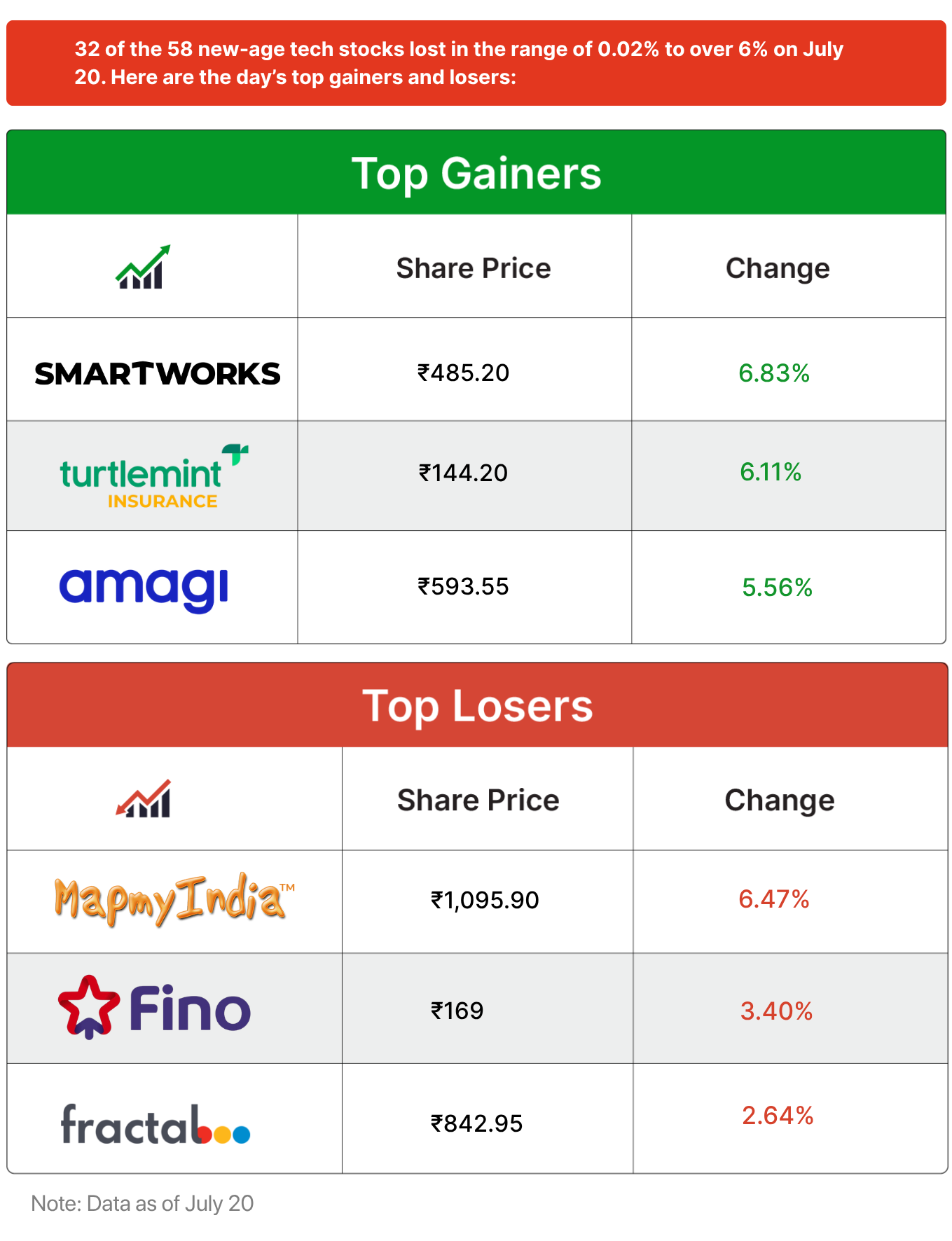
Inc42 Markets
Inc42 Startup Spotlight
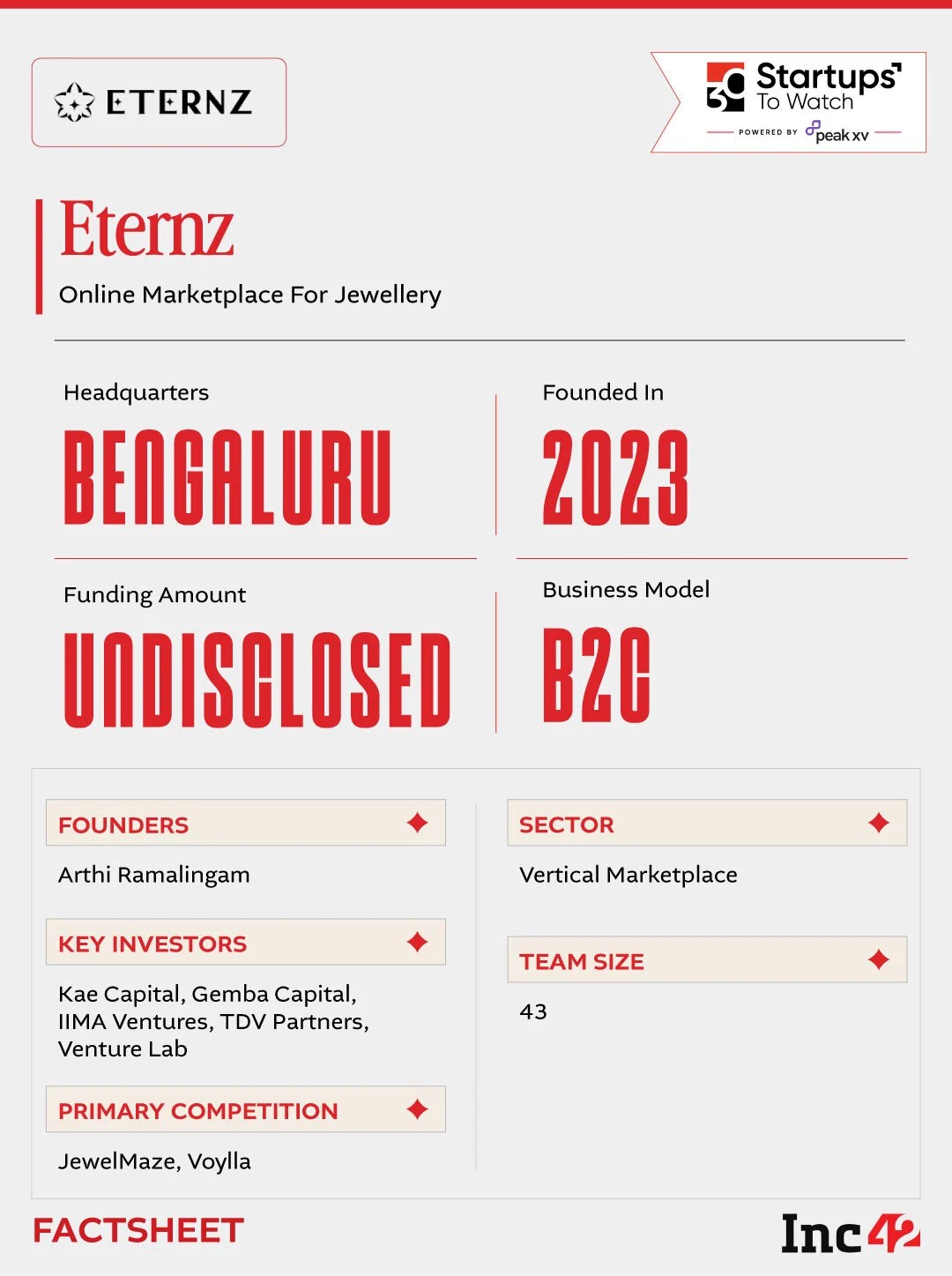
How Eternz Is Swiping Into The Future Of Jewellery Shopping
For many consumers, jewellery discovery is still scattered across online and offline stores. This makes it hard for users to find unique and well-crafted pieces that truly match their style. Eternz is trying to fix this gap by turning jewellery shopping into an immersive online experience.
A Curated Marketplace: Founded in 2023, Eternz is an online marketplace for jewellery and watches that brings premium brands and craftsmanship under one roof. The platform offers curated collections across gold, silver, brass, and lab-grown diamonds, helping users explore beyond a single brand or aesthetic.
The Personalisation Play: To make discovery easier, Eternz offers virtual try-on tools so users can see how pieces look on them before buying. Its “Tinder for Jewellery” feature lets shoppers swipe right or left on designs they like, turning browsing into an intuitive, mood-based experience. Behind the scenes, this personalisation engine refines recommendations based on user preferences, making it easier to land on pieces that feel like a true fit.
Multi-Brand Ecosystem: The platform currently claims to host 400+ brands, including names like GIVA, Palmonas, Salty, Totapari, and Carlton London. Meanwhile, going ahead, Eternz aims to scale revenue by 6X in the coming year by expanding its catalogue to around 500 brands and onboarding 50 global players such as Swarovski and Fossil.
With the Indian D2C jewellery market projected to cross $10 Bn by 2030, can Eternz make jewellery shopping interactive and intuitive?
Infographic Of The Day
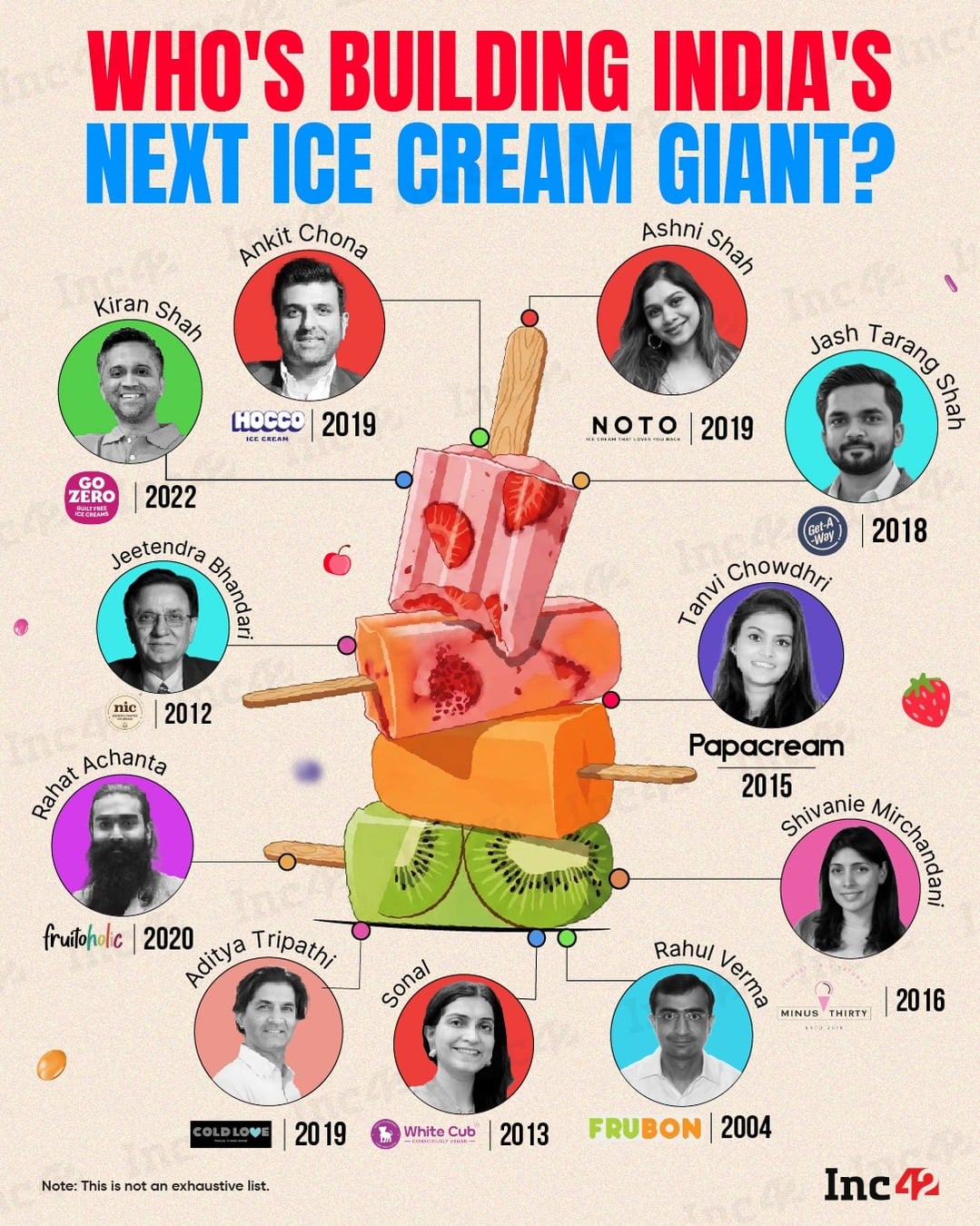
The ice cream aisle doesn’t look like it did a decade ago. From selling protein-packed ice creams to fruit-shaped popsicles, a new generation of startups are reimagining how India eats dessert. Here is all about them…

Comments are closed.