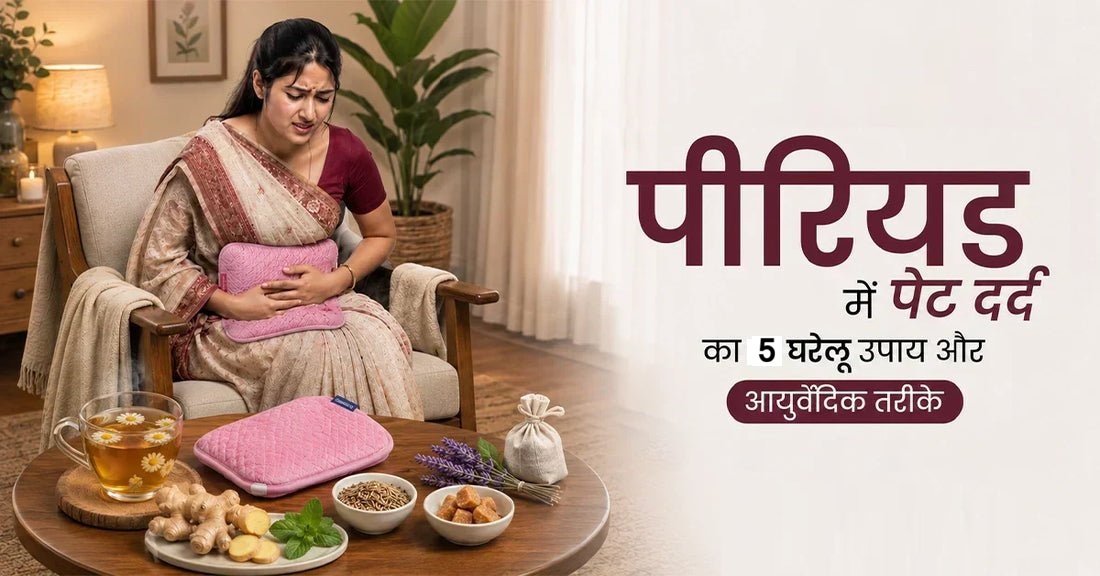
Pain and cramps during menstruation (Dysmenorrhea) is a very common problem in women. In the first 2 to 3 days of every monthly cycle, severe pain in the lower abdomen, waist, hips and thighs sometimes completely paralyzes daily activities. According to medical science, this pain is caused by contractions in the uterine muscles. To expel the inner layer of the uterus, a hormone-like chemical called 'Prostaglandins' is activated in the body, high levels of which cause the blood vessels of the uterus to contract and cause unbearable cramps. Often women immediately resort to painkillers to avoid this pain, repeated consumption of which can be harmful for the stomach and kidneys. By adopting some safe, natural and scientific measures, one can get great relief from period pain without any side-effects. Remedy 1: The magic of heat therapy on the abdomen and pelvic area Heat is the most effective and scientifically proven way to instantly relax the strained muscles of the uterus. How it works: When you place a heating pad, hot water bag or hot water bottle on the lower abdomen or waist, blood circulation in that area increases rapidly. Due to better blood flow, muscle stiffness is released and the pain caused by the effect of prostaglandins is reduced to a great extent. Studies have found that heat therapy shows effects as fast as the pain reliever drug 'Ibuprofen'. Method of use: Place a hot water bag on the lower abdomen for 15 to 20 minutes 2 to 3 times a day or take a lukewarm bath. Remedy 2: Anti-Inflammatory Herbal Tea of Ginger and Chamomile Consuming herbal infusions instead of drinking caffeinated tea or coffee during periods acts like a pain reliever. Ginger Tea: Ginger contains powerful anti-inflammatory compounds 'Gingerol' and 'Shogaol'. It directly blocks the production of pain-causing prostaglandins in the body. Drinking boiled water of freshly ground ginger a day before the start of periods greatly reduces the intensity of cramps. Along with this, it also calms the problem of vomiting and nausea. Chamomile or fennel tea: The amino acid glycine present in chamomile tea calms muscle spasms and relaxes the nerves. Fennel seeds also prove to be very effective in relaxing the contractions of the uterine muscles. Remedy 3: Light Yoga and Pelvic Stretching Often women lie in bed all day due to pain, but light physical activity and stretching actually helps in reducing the pain. How it works: When you lightly stretch your body, feel-good hormones called 'endorphins' are released from the brain. Endorphins act as the body's natural painkillers, suppressing the sensation of pain and improving mood swings. Which asanas to do: Balasana (Child's Pose): It completely releases the tension of the lower back and pelvic muscles. Butterfly Pose (Baddha Konasana): It removes stiffness by increasing the flexibility of the thighs and pelvic area. Supta Baddha Konasana (Reclining Bound Angle Pose): Lying on the back, join the soles of both the feet together; It relieves the pressure on the uterus. Note: Completely avoid Shirshasana or heavy weight lifting exercises during periods. Solution 4: Magnesium-rich diet and adequate hydration Lack of water in the body and nutritional imbalance doubles the pain and swelling of periods. Right eating habits play a primary role in keeping muscles relaxed. Power of Magnesium: Magnesium is considered a 'natural muscle relaxant'. This prevents excess stimulation of the uterine muscles. Include bananas, pumpkin seeds, soaked almonds, spinach and dark chocolate in your diet. The antioxidants and magnesium present in dark chocolate not only soothe cramps but also improve the mood. Hydration and prevention of bloating: Dehydration in the body increases bloating, which increases pressure on the stomach. Drink at least 8 to 10 glasses of lukewarm water throughout the day. Also, avoid excessive salt, junk food, alcohol and soda drinks during these days, as excess sodium makes cramps more intense by causing water retention in the body. When is it necessary to see a doctor? If menstrual pain is so severe that it cannot be controlled with simple home remedies, there is excessive bleeding, or the pain is accompanied by dizziness and high fever, do not ignore it. This may be a sign of underlying medical conditions such as endometriosis, uterine fibroids or PCOS. In such a situation, immediately consult a qualified gynecologist.