
‘Pilot was clutching controls’: Fresh doubts over Air India crash suicide claims, says report

Witness testimony from inside the Ahmedabad mortuary is casting fresh doubt on one of the most debated perceptions to emerge from the Air India Dreamliner disaster, according to which Captain Sumeet Sabharwal intentionally brought down the aircraft.
The claim gained traction after investigators referenced a cockpit exchange in which one pilot asked, “why he had switched off the fuel supply,” only for the other to reply, “I did not do so.” The exchange, according to a report by the Daily Mailtriggered intense speculation that the captain may have deliberately cut fuel to the engines shortly after take-off.
Mortuary accounts raise questions
But accounts from those who saw the pilot’s body in the aftermath now point in a sharply different direction.
Romin Vohra(32) entered Ahmedabad’s Civil Hospital mortuary while searching for three relatives killed in the crash, including his brother, aunt and young niece. What he says he witnessed there has become a crucial detail in the debate over what really happened in the cockpit.
Also Read: Air India to cut international flights amid Rs 22,000 crore losses, rising jet fuel costs
“I saw things I can never unsee,” Vohra told the Daily Mail, recalling rows of bodies, severed limbs and burn victims laid across the floor as families searched in horror for loved ones.
Then, in one corner of the room, he noticed the captain.
Condition of the Captain’s body
Vohra said Sabharwal’s body had been placed separately from the other victims. The pilot’s back had suffered burns, but the front of his body appeared, in Vohra’s words, “absolutely perfect.” His uniform remained intact, including his white shirt, tie, trousers and the four gold stripes on his shoulders. He was still wearing his shoes.
But one detail stood out above all.
Also Read: Amid West Asia conflict, Air India to run 78 extra international flights
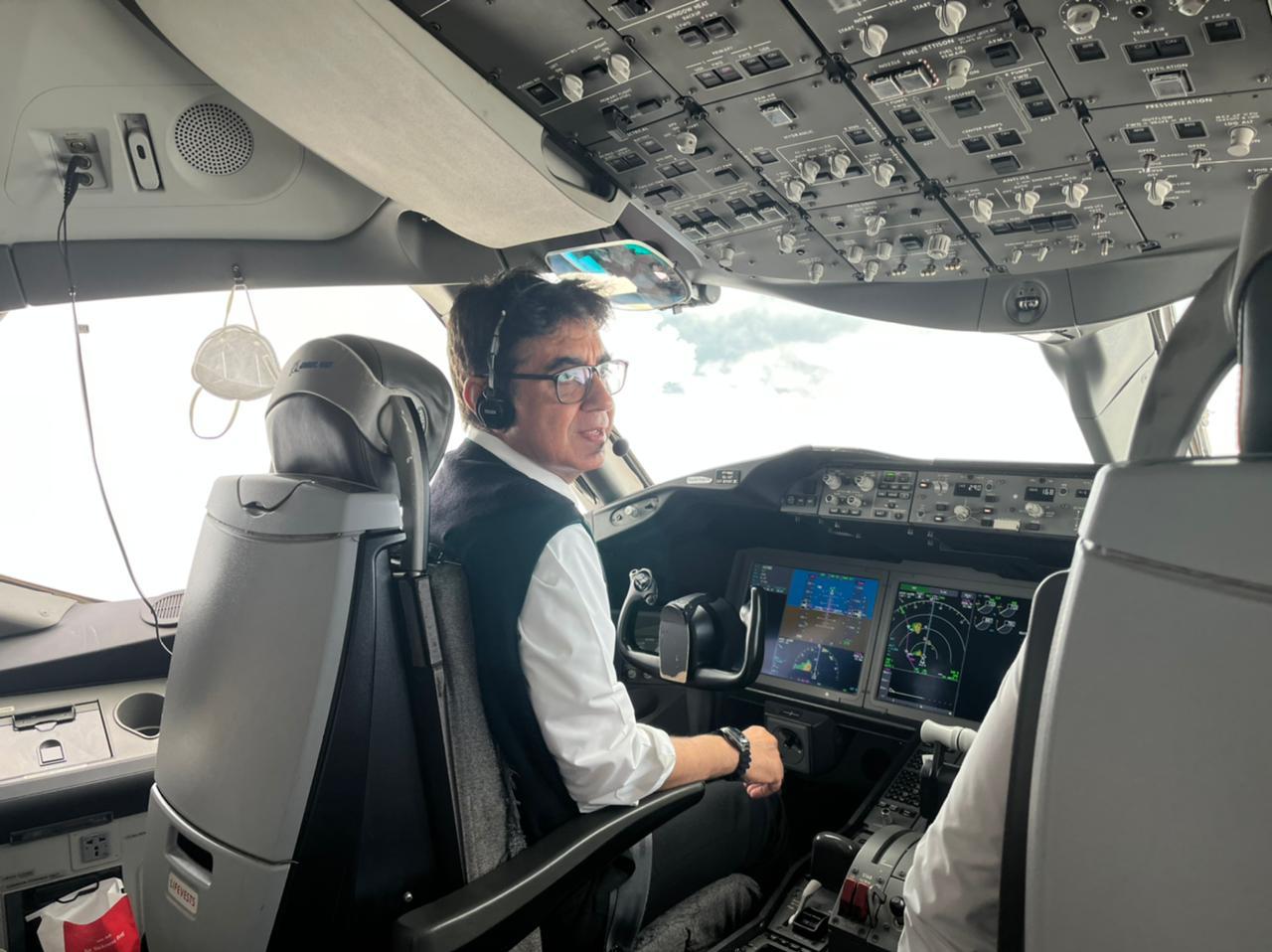
According to Vohra, the captain remained in a seated position, his hands still locked around the aircraft’s control yoke, the double-handled steering column pilots use to control the aircraft in flight.
A hospital doctor reportedly gave the same account.
What it could mean for investigators
The report further stated that for aviation experts, that detail is critical. If accurate, it suggests Sabharwal was not disengaged or suicidal. It suggests he was doing what every captain is trained to do in catastrophe: fighting for control, trying to lift the aircraft, and holding on until impact.

Comments are closed.