
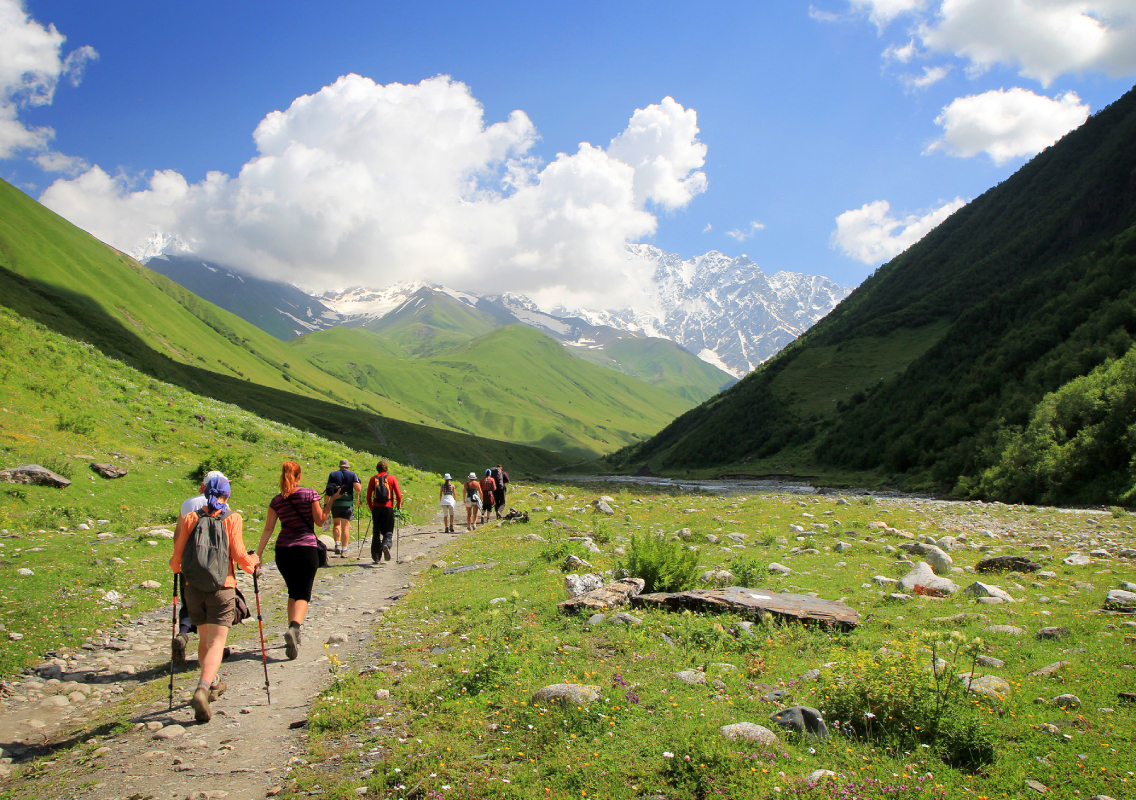

High-altitude trekking is one of the most rewarding outdoor experiences available to adventurous travelers. From the iconic trails of Nepal’s Khumbu region to the high passes of the Andes, trekking at altitude offers stunning scenery, cultural immersion, and a genuine sense of achievement. But altitude introduces real physiological challenges that require careful planning and preparation — challenges that can be managed effectively with the right knowledge and approach.
Understanding Altitude and Its Effects
Altitude sickness — or acute mountain sickness (AMS) — is the most common challenge for trekkers above 2,500 meters. Symptoms include headache, nausea, fatigue, and dizziness. Most cases are mild and resolve with rest and acclimatization, but severe cases can progress to life-threatening conditions including high-altitude pulmonary edema (HAPE) and high-altitude cerebral edema (HACE).
The golden rule of altitude trekking is climb high, sleep low — ascending to higher elevations during the day and returning to lower camps to sleep. Never ascend more than 300–500 meters per day above 3,000 meters, and build in rest days every 3–4 days of ascent.
Choosing Your First High-Altitude Trek
For first-time high-altitude trekkers, selecting an appropriate objective is critical. The Everest Base Camp trek (5,364m) in Nepal is one of the world’s most popular high-altitude routes, with excellent infrastructure, experienced local guides, and well-established acclimatization profiles. The Annapurna Circuit (5,416m at Thorong La Pass) offers a more varied cultural experience with similar altitude demands.
In South America, Peru’s Inca Trail (4,215m) and Bolivia’s high-altitude approach routes offer accessible experiences with strong local guiding industries. The Kilimanjaro routes in Tanzania (5,895m) are popular first high-altitude objectives for trekkers from around the world seeking a non-technical summit experience.
Physical Preparation
High-altitude trekking demands cardiovascular fitness and muscular endurance. Begin training at least three months before departure with a program that includes long-distance hiking with a loaded pack, stair climbing, and aerobic cross-training. If possible, spend time at moderate altitude (2,000–3,000m) before your trek to begin the acclimatization process.
Strength training for your legs, core, and back will help you manage the demands of multi-day trekking with a pack. Flexibility and mobility work reduces injury risk on uneven terrain and helps with recovery between long trekking days.
Gear and Packing Essentials
High-altitude trekking requires a layering system appropriate for temperatures that can range from warm and sunny to freezing and windy within hours. Essential items include a waterproof shell jacket and pants, insulated mid-layer, moisture-wicking base layers, warm hat and gloves, and trekking poles for stability on steep terrain.
Footwear should be broken-in waterproof trekking boots with ankle support. Carry a first aid kit including altitude sickness medications (acetazolamide is commonly prescribed for prevention), blister treatment, and pain relief. A quality sleeping bag rated for temperatures below what you expect is essential for high camps.
Logistics and Planning Resources
Successful high-altitude trekking requires careful logistical planning: permits, accommodation bookings, guide and porter arrangements, travel insurance, and emergency evacuation coverage. A comprehensive resource for high altitude trip planning can help you build a realistic itinerary, understand permit requirements for your destination, and develop contingency plans for weather delays or medical situations.
Book guides and accommodation well in advance for popular routes, particularly during peak seasons — spring and autumn in Nepal, and the dry season in South America.
Final Thoughts
High-altitude trekking is accessible to fit, well-prepared travelers of all ages. The key is honest self-assessment, thorough preparation, and respect for the mountain environment. Start with an appropriate objective, train specifically, plan carefully, and you’ll be rewarded with experiences that stay with you for a lifetime. The mountains are waiting — prepare well and go meet them.

Comments are closed.