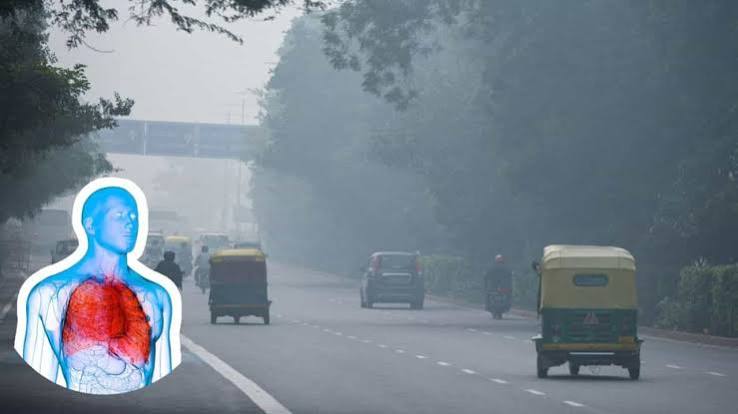
Tezzbuzz Desk – The increasing air pollution in many cities of the country including Delhi-NCR has increased the concern of the people. Amidst bad air, problems like irritation in eyes, sore throat, cough and difficulty in breathing are becoming common. But the effect of pollution is not limited only to the lungs, but prolonged exposure to poisonous air can also affect the heart, brain and other organs of the body.
Recent research has revealed a link between long-term exposure to extremely small pollution particles like PM2.5 and increased risk of type-2 diabetes. According to the report, if the amount of PM2.5 in every cubic meter of air increases by 10 micrograms, the risk of diabetes can increase by about 10 to 16 percent. This indicates that air pollution can become a threat not only to respiratory problems but to many parts of the body.
Risk of brain stroke may increase
Very small particles of PM2.5 can reach the lungs through breath and some particles can also enter the blood. This can increase inflammation in the body and affect the blood vessels. Prolonged exposure to pollution can increase the risk of problems related to the nerves that supply blood to the brain. The elderly and people suffering from high blood pressure may need to take special precautions.
Prolonged exposure to polluted air can cause inflammation in the body and affect the ability of insulin to work. Insulin is a hormone that controls blood sugar in the body. If it does not function properly, the risk of type-2 diabetes may increase. The problems of people already suffering from diabetes may also increase.
Polluted air has a direct impact on the lungs. Dust, smoke and small pollution particles can cause irritation and inflammation in the respiratory tract. This can cause problems like persistent cough, shortness of breath, chest tightness and mucus. Long-term exposure to pollution can increase the risk of serious lung disease like COPD.
Risk of heart attack and heart disease
Small particles present in toxic air can increase inflammation in blood vessels. This can increase blood pressure and pressure on the heart. Prolonged exposure to pollution has been shown to increase the risk of heart attack and other heart-related diseases.
If many harmful elements present in polluted air continue to reach the body for a long time, the risk of lung cancer can increase. Long-term exposure to PM2.5 and other toxic pollutants has been found to be linked to lung cancer. This risk can be more serious for smokers.
For people who already have asthma, polluted air can cause more problems. Exposure to bad air can increase inflammation in the respiratory tubes and cause cough, sore throat and difficulty in breathing. Pollution can also increase asthma and respiratory problems in children.
Effect on memory and mental health also
Some research has linked long-term exposure to pollution to decline in memory and thinking ability. It has also been linked to an increased risk of diseases like Alzheimer's and dementia as age increases. However, more research is needed to fully understand this relationship.
Pollution can also affect kidneys and mental health. Inflammation in the body and damage to blood vessels can affect kidney functioning. At the same time, in some studies, prolonged exposure to polluted air has also been linked to mental problems like stress, anxiety and depression.
Pollution can affect children's brain development and learning ability. Changes may also be seen in their behavior. At the same time, exposure to toxic air during pregnancy can increase the risk of premature delivery and birth of a low birth weight child.
Why is PM2.5 so dangerous?
PM2.5 are very small particles whose size is 2.5 micrometers or less. These can reach the inner parts of the lungs with the breath and some particles can also enter the blood. Vehicle smoke, smoke from factories, burning of garbage and other sources of pollution can increase the amount of PM2.5.
Small children, elderly, pregnant women, asthma and COPD patients, heart and blood pressure patients and people suffering from diabetes need to take special care in polluted air.
Keep an eye on AQI and avoid outdoor walking or exercising in the morning and evening when the air quality is very poor. A well-fitting N95 mask can be used when going out. Do not allow dust to accumulate in the house and use an air purifier of the right capacity when needed. Do not allow children and elderly people to stay outside in bad air for too long. Consult a doctor if you have problems like difficulty in breathing, chest pain or persistent cough.