
Political influence of Gen Z increased after Jantar Mantar movement, communication with youth intensified in elections

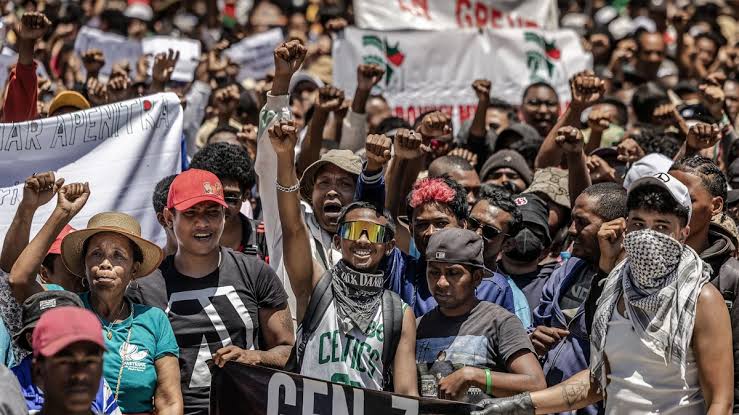
Tezzbuzz Desk- After the students’ demonstration at Jantar Mantar and the demand for the resignation of the Education Minister, the discussion about the role of Gen Z youth in the country’s politics has intensified. Seeing the increasing activism of the youth, political parties have now started making strategies to engage them. From Prime Minister Narendra Modi to Rahul Gandhi, many big leaders are trying to establish direct communication with the youth.
Amidst the student movement, Prime Minister Narendra Modi took the help of social media to connect with the youth. He shared a video addressing the students on Instagram, which was viewed by a large number of people. After this, the Prime Minister also posted several other videos to increase communication with the youth. He also asked his ministers and party leaders to focus on reaching out to the youth.
While communicating with the youth, PM Modi said that for the youth of the country, the nation should come first. He appealed to the youth to share their experiences and journeys through social media. He said that youth participation can play an important role in the unity and development of the country.
BJP started youth dialogue campaign
Following the initiative of the Prime Minister, Bharatiya Janata Party has also started programs to increase contact with the youth. “Yuva Samvad (Gen-Z with Modi)” program was organized by Delhi BJP, in which students from various universities and colleges participated.
In the program, students expressed their views regarding the protests at Jantar Mantar. Some youth said that movement is a democratic right, but its objective should be positive and uniting the society. Some participants alleged that during the demonstration some slogans were raised which were against social harmony.
Increasing importance of Gen Z in elections
The effect of increasing political participation of youth is also visible in electoral politics. Even in the by-election of Bankipur assembly seat of Bihar, political parties are seen active regarding Gen Z voters.
Jan Suraj leader Prashant Kishor made an issue of the students’ movement and the action taken against them and said that its impact will be seen in many states. He has given prominence to the youth in his election campaign and made youth issues a part of the political debate.
At the same time, BJP has also started trying to strengthen its hold among the youth. BJP leaders organized dialogue programs with the youth and tried to connect with them through dialogue.
Opposition also active on youth issues
Opposition parties including Congress are also putting pressure on the government regarding youth issues. Leader of Opposition in Lok Sabha, Rahul Gandhi gave statements in support of the youth during the student movement and met the students injured in the protest.
Raising questions on the government, Rahul Gandhi said that it is necessary to solve the problems of the students and responsibility for the action taken on the protesters should be fixed. Congress has been continuously raising the issues of paper leak and employment related to youth.
Demand to increase the age for contesting elections to 21 years
The demand to reduce the minimum age for contesting elections has also intensified to increase the political participation of Gen Z. Telangana Chief Minister A. Revanth Reddy has demanded that the age for contesting Lok Sabha and Assembly elections should be reduced from 25 years to 21 years. He argued that while youth at the age of 21 may be eligible to become officers in administrative services, they should also get the opportunity to contest elections. The Telangana government is preparing to call a special session of the Assembly on this issue and demand constitutional amendment from the Centre.
Gen Z is no longer a youth group limited only to social media, but is becoming an important group influencing political decisions and election strategies. In the times to come, the voice of the youth, their problems and their expectations can become important election issues for political parties.

Comments are closed.