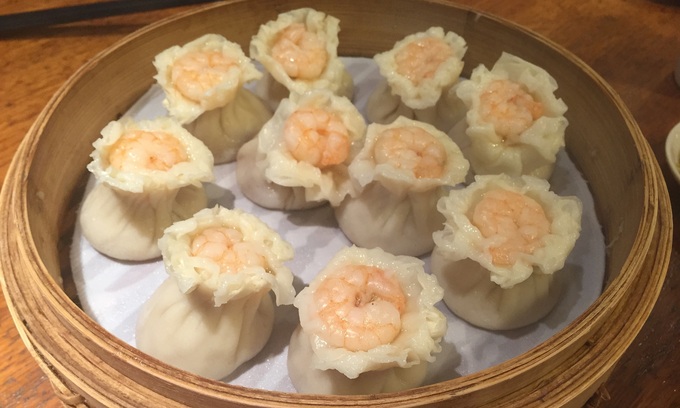
The discussion began after a dim sum chef with 10 years of experience posted on social media on July 29 that his restaurant had started using frozen, pre-cooked products supplied from mainland China to reduce costs.
The change, he said, had left him with little to do beyond reheating food and made him question whether there was still a future for traditional dim sum chefs in Hong Kong.
“I feel so lost now,” he wrote. “I don’t have high expectations, just HK$25,000 (US$3,200) a month. Is there any restaurant in Hong Kong that still hires dim sum chefs?”
His post quickly went viral, drawing widespread discussion about the growing use of pre-made food in the city’s restaurant industry, according to The Standard.
|
Pre-made dim sum becomes more common. Illustration photo by Pixabay |
Some social media users said large restaurant chains have relied on centralized kitchens for years, but noted that pre-made dim sum is now becoming more common among smaller independent restaurants as well.
Critics argued that the trend could gradually reduce the role of trained chefs and weaken the craftsmanship behind traditional dim sum.
“The moment a restaurant decides to use factory-made dim sum, it’s essentially business suicide,” one commenter wrote.
Another warned that chefs could eventually become “just reheaters with no real skills left.”
Others, however, focused on the chef’s career prospects rather than the wider industry. Many encouraged him to seek work overseas, saying experienced dim sum chefs remain highly valued outside Hong Kong.
“Dim sum chefs are treasures,” one commenter wrote, while another claimed that chefs in the U.K. can earn £3,000 (US$4,000) or more a month.
Some suggested he open his own restaurant, arguing that diners who value freshly made food may increasingly seek out independent establishments as pre-made products become more widespread.
Others were far less optimistic. “After 10 years in the business, if you’re still young, change careers now. This industry has no future,” one commenter wrote.
The debate reflects broader concerns over how rising costs are changing Hong Kong’s restaurant industry.
For businesses, pre-made products can reduce labor costs, simplify kitchen operations and ensure greater consistency. But critics say those savings may come at the expense of skills that traditionally require years of training.
Dim sum preparation involves much more than steaming ready-made dishes. Skilled chefs are trained to prepare dough and fillings, shape delicate dumplings and control cooking times for a wide range of dishes.
As more of that work moves to factories or centralized kitchens, some fear restaurants will need fewer experienced chefs and younger workers will have less incentive to learn the craft.The issue has therefore become about more than one chef’s job.
For many people taking part in the debate, the growing reliance on pre-made dim sum raises a larger question: whether Hong Kong can preserve the skills and traditions behind one of its best-known foods while restaurants face increasing pressure to cut costs.