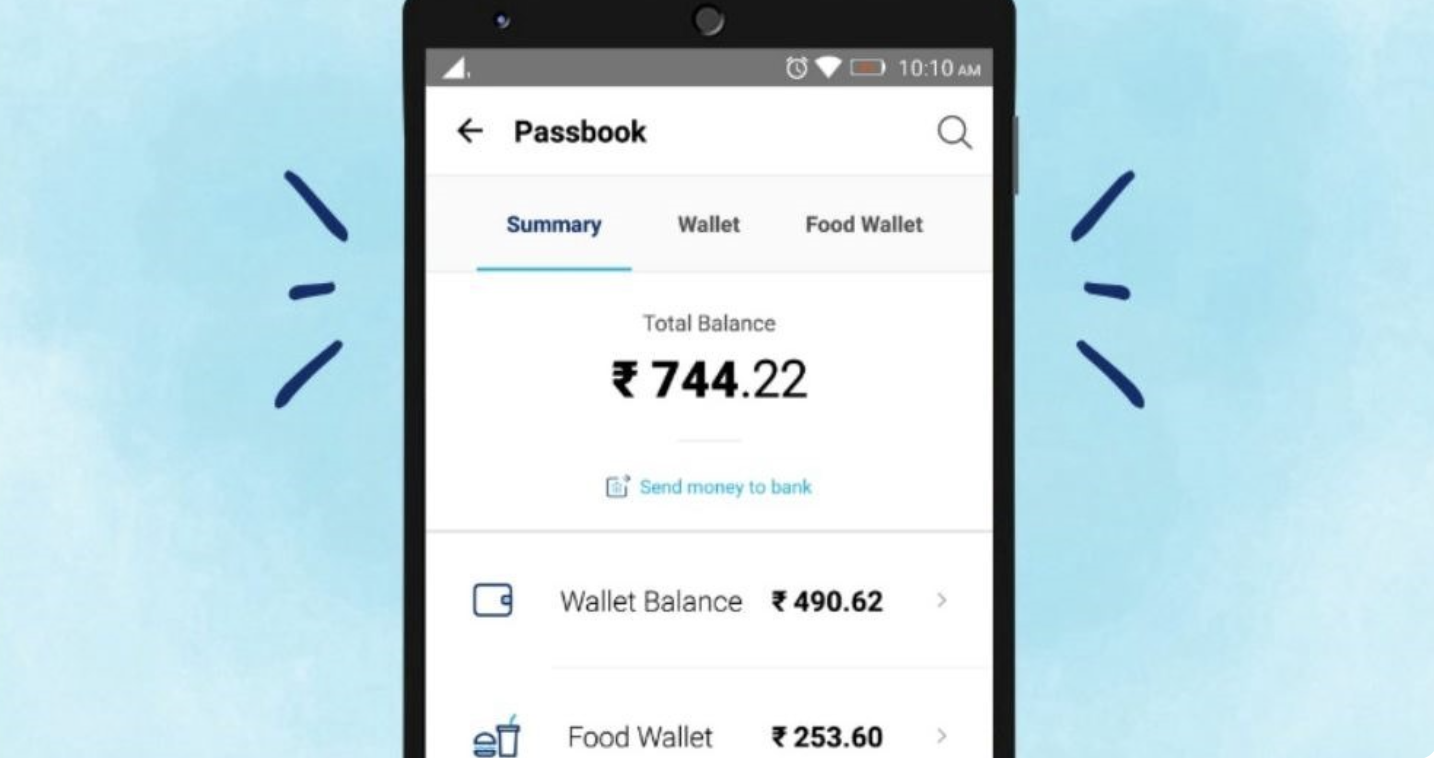
Paytm has taken a major step towards reviving its digital wallet business after the Reserve Bank of India (RBI) granted preliminary authorisation to its wholly owned subsidiary, Paytm Payments Services Limited (PPSL), to issue prepaid payment instruments (PPIs), including digital wallets.
The announcement sent shares of Paytm’s parent company, One 97 Communications, to a record high of Rs 1,960 on the National Stock Exchange on Friday, November 13, 2026. The stock gained as much as 1.8% during the trading session, reflecting renewed investor confidence in the company’s payments business.
RBI Approval Opens Door for Paytm Wallet Revival
According to the regulatory filing, PPSL received an in-principle authorisation letter from the RBI dated November 13, 2026under the Payment and Settlement Systems Act, 2007.
The approval allows the subsidiary to move towards establishing and operating a payment system for issuing prepaid payment instruments in India.
However, this is not the final licence. Paytm clarified that PPSL can begin offering prepaid instruments, including wallets, only after receiving the RBI’s final authorisation or Certificate of Authorisation.
The company will also need to comply with the RBI’s Master Directions on Prepaid Payment Instruments and applicable regulatory requirements.
Why Did Paytm Lose Its Wallet Business?
Paytm launched its digital wallet in 2014 and quickly became one of India’s leading providers of mobile wallet services.
In 2017, the business was transferred to Paytm Payments Bank as part of the company’s regulatory structure.
However, the RBI gradually tightened restrictions on the payments bank because of persistent compliance and supervisory concerns.
In March 2022, the central bank stopped Paytm Payments Bank from onboarding new customers. In January 2024, it announced further restrictions, preventing the bank from accepting fresh deposits, credits and wallet top-ups.
The restrictions significantly affected normal wallet operations. In April 2026, the RBI cancelled Paytm Payments Bank’s banking licence, leading to its winding up.
The latest preliminary approval provides a separate route for Paytm to restart wallet operations through PPSL rather than the former payments bank.
Paytm Shares Reach Record High
The RBI development triggered a fresh rally in One 97 Communications shares.
The stock touched Rs 1,960 during Friday’s trading session, marking a new record high. It closed at Rs 1,940.60, up approximately 0.8% for the day.
The company’s market capitalisation stood at approximately Rs 1.25 lakh crore. Its shares have gained nearly 50% so far in 2026.
Investors have also been tracking the possibility of a merchant discount rate (MDR) framework for certain UPI transactions, which could create additional revenue opportunities for payment companies.
Can Wallets Become a Major Revenue Driver Again?
The RBI approval could help Paytm expand its consumer payment offerings and explore products such as prepaid cards.
However, the competitive environment has changed considerably since Paytm first launched its wallet. UPI has become the dominant method for everyday digital payments, reducing the importance of general-purpose wallets.
Analysts believe the financial impact of the approval may take time to materialise. Any meaningful revenue contribution could emerge in FY28, depending on the final licence and the company’s execution.
Summary
Paytm’s payments subsidiary has received preliminary RBI authorisation to issue prepaid payment instruments, including digital wallets. The final licence is still required before services can begin. The announcement pushed One 97 Communications shares to a record high of Rs 1,960, creating a potential new growth opportunity for the fintech company.