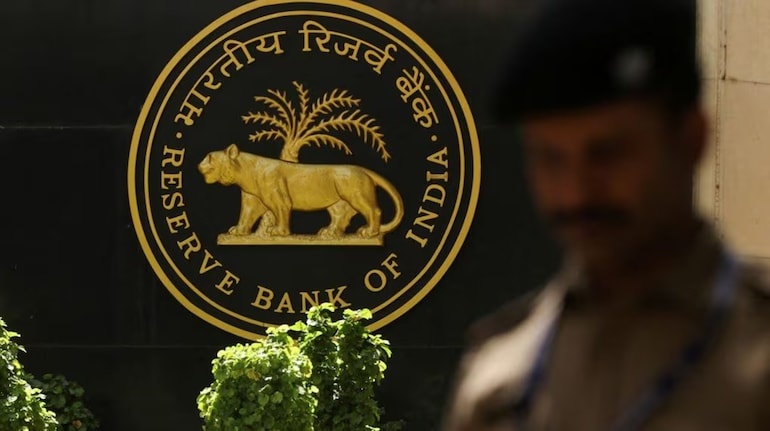
Business Desk, New Delhi/Mumbai: Consumers, home loan buyers, investors, and financial markets across the country are on edge with the crucial meeting of the Reserve Bank of India’s (RBI) Monetary Policy Committee (MPC). On August 5th, the Reserve Bank Governor will announce the results of the monetary policy review. According to extensive surveys of banking and economic experts, the Reserve Bank is likely to keep its key policy rate, the repo rate, unchanged. If this happens, it will signal continued stability in policy rates after several consecutive bi-monthly reviews.
Amid fluctuations in retail inflation and global economic uncertainties on the domestic front, the central bank’s focus is on accelerating growth and controlling inflation. For the general public, this decision means that the possibility of a significant reduction in home loan and car loan EMIs may be delayed for a while, but the threat of a further increase in interest rates will also be averted.
Inflation, Food Supply, and Global Cues: What Are the Key Challenges Facing the RBI?
The biggest challenge currently facing the Reserve Bank’s Monetary Policy Committee is uncertainty surrounding food inflation and global crude oil prices. Although India’s core inflation appears to be under control, food prices periodically fluctuate due to monsoon patterns, agricultural yields, and supply chain disruptions.
In addition, the RBI is closely monitoring the interest rate policies of the US Federal Reserve and the European Central Bank (ECB). Amid turmoil in international financial markets and global geopolitical tensions, the Reserve Bank is avoiding any hasty action. Economic experts believe that it would be premature to expect any relief or reduction in the repo rate until inflation permanently falls within the RBI’s target range of 4 percent.
What will be the direct impact on home loan and auto loan EMIs?
This RBI meeting is crucial for millions of home loan and auto loan borrowers across the country. If the repo rate is maintained at its current level on August 5th, there will be no immediate change in EMIs for home loans linked to the External Benchmark Based Interest Rate (EBLR).
Existing Borrowers: For customers with floating-rate home loans, their monthly installments will remain stable. They will not face any additional financial burden.
New Borrowers: Those planning to purchase a new home or car will receive loans under the banks’ existing interest rate system. Apart from festive or special discounts offered by banks, there is little chance of any relief in the base rate.
Real Estate Sector Reaction: Demand remains strong in the Indian real estate market at this time. Builders and developers believe that even if rates do not decrease, the stability of rates is a positive sign for maintaining buyer confidence in the property market.
What are the big signals for fixed deposit (FD) investors?
The stable repo rate is a welcome relief for senior citizens and retail investors who prefer safe investments and fixed income. Banks have significantly increased fixed deposit (FD) rates in the past few years.
Currently, many major public and private banks are offering attractive interest rates of 7% to 8% on FDs with tenures ranging from 1 to 3 years. Unless the Reserve Bank begins cutting the repo rate, banks are unlikely to significantly reduce FD interest rates. Therefore, for investors looking to take advantage of higher interest rates, this could be an excellent opportunity to lock in money in long-term FDs.
Stock Market, Dalal Street, and the Indian Economy Outlook
The RBI’s decision also has a direct impact on the stock market (Sensex and Nifty). Shares in rate-sensitive sectors such as banking, auto, real estate, and FMCG react sharply to this decision.
Mumbai-based Dalal Street analysts believe that the stock market has already factored in a scenario of “no change” in the repo rate into its estimates. If the RBI Governor’s policy stance remains positive on economic growth and the GDP growth forecast for the current fiscal year remains strong, the Indian stock market could see a positive sentiment.
The Indian economy is currently among the world’s fastest-growing major economies. The country’s economic fundamentals remain strong, supported by domestic demand, improved manufacturing, and government spending on infrastructure. The Reserve Bank’s primary objective is to maintain this economic growth momentum while controlling inflation.
What do experts say? When will we see relief from interest rate cuts?
Financial analysts and leading economists expect the Reserve Bank to wait a little longer before signaling a change in its monetary policy stance. Most brokerage houses believe that the repo rate cut could begin later this year or in the coming quarters.
Until food prices stabilize and the stance of global central banks becomes more clear, the Reserve Bank will maintain a cautious approach.