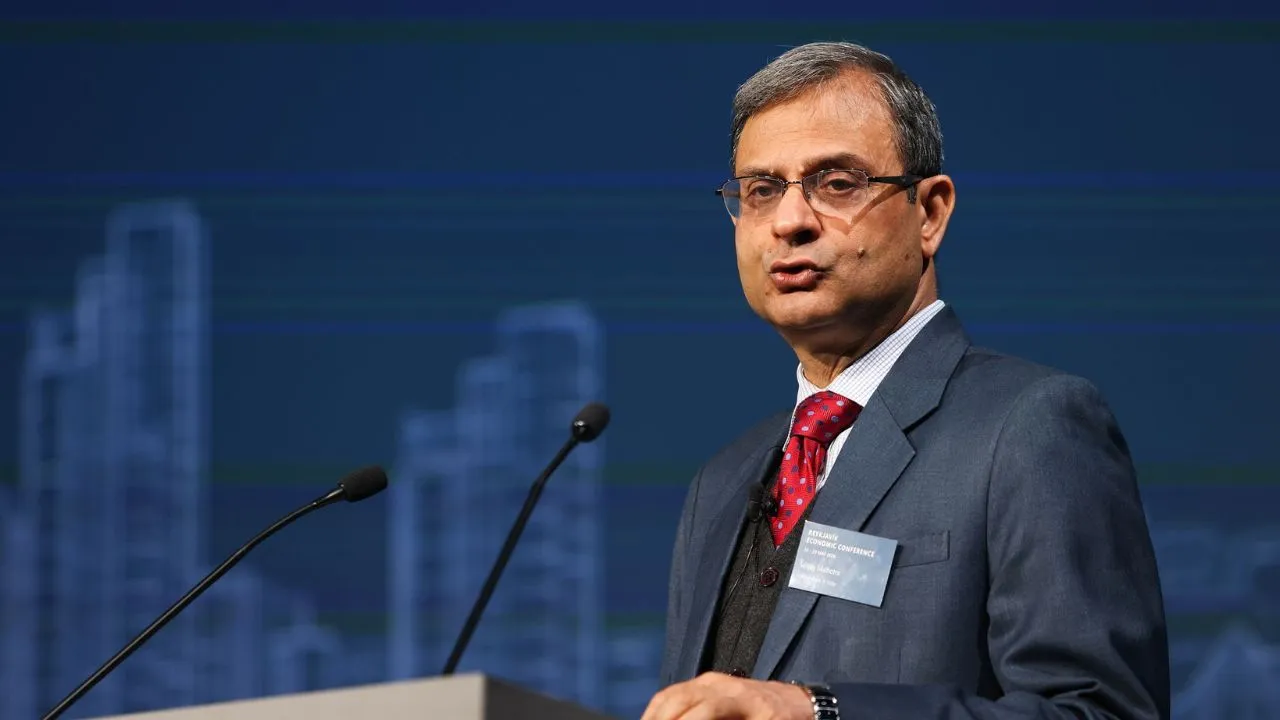
RBI Keeps Repo Rate Unchanged: The Reserve Bank of India (RBI) has kept the repo rate unchanged for the fourth consecutive time. On Wednesday, RBI Governor Sanjay Malhotra announced the Monetary Policy Committee (MPC) meeting’s decisions, stating that the repo rate will remain unchanged at 5.25 percent. This means that EMIs on home loans, car loans, and other floating-rate loans will remain unchanged for the time being.
No Repo Rate Change for the Fourth Consecutive Time
The RBI’s three-day MPC meeting began on August 3. After assessing the national and global economic conditions, the decision was made to keep interest rates unchanged. This is the fourth consecutive time the central bank has kept the repo rate unchanged. Previously, the interest rate was kept stable in the February, April, and June 2026 meetings.
The RBI believes that it is necessary to adopt a balanced policy amid global economic uncertainty and fluctuations in crude oil prices. In such an environment, keeping the repo rate stable will not only keep inflation under control but also support economic growth.
Relief for Borrowers and Businesses
The biggest benefit of the repo rate freeze will be to millions of people who have taken out home loans, car loans, or other floating-rate loans. Due to the absence of an interest rate hike, their monthly EMIs will remain unchanged, thus reducing the burden on their household budgets.
This decision is also considered a relief for those planning to take out a new loan. The averting of the threat of an immediate increase in interest rates will ensure they can continue to obtain loans at current rates. This decision is also considered positive for industry and business, as stable borrowing costs can accelerate investment and expansion plans.
It should be noted that the last change in the repo rate was made in December 2025, when the RBI reduced it from 5.50 percent to 5.25 percent. Since then, the central bank has consistently maintained interest rates stable. Experts believe that RBI will continue to take decisions on interest rates in the future while keeping an eye on inflation and global economic conditions.