Living in a house is pure nirvana territory, unless you fall behind on the chores and the work just keeps piling up. Hopefully, your lawn mower isn’t adding to the stress. Maintaining a lawn mower properly usually is simple: changing oil every now and then, cleaning the deck after use, tightening and lubricating moving parts, and occasionally sharpening the mower blades. It’s not an exact science. Most homeowners can get away with rejuvenating the edge after approximately 20 to 25 hours of use, which works out to maybe once or twice a season. But what if your blades dull much more frequently?
It might not be on you. While you could technically be the culprit if you forget to clear away rocks or sticks before mowing the lawn (yes, this drastically accelerates edge degradation), there’s also a chance that you’re stuck with low-quality blades. Here’s the gist. Default mower blades are often made of softer steel. It’s not a bug but a feature, as this flexibility allows them to bend if they strikes a rock. However, while softer and cheaper blades are easy to sharpen and can absorb quiet a lot of shock, they lose their edge quicker than harder ones.
When should you replace your lawn mower blades?
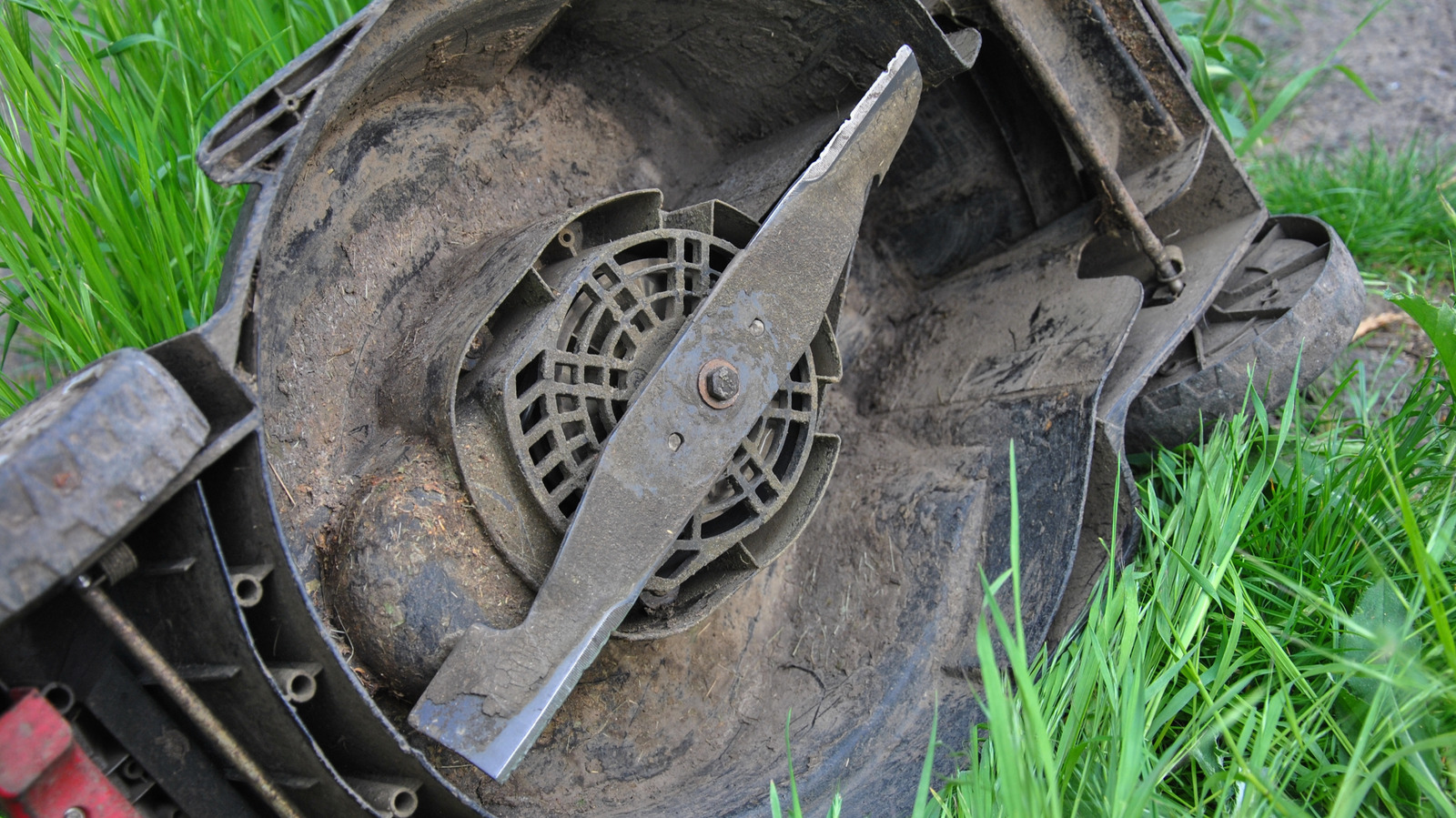
Every time you file or grind mower blades too aggressively, you risk overheating the edge and softening the steel. With each sharpening, the blades are closer to becoming scrap metal, and you may end up doing it more often. How can you tell? Well, if you’ve done your sharpening routine and the grass still looks shredded, or you notice that the lawn has nasty brown or yellow streaks, it’s a dead giveaway that the blades aren’t cutting but rather tearing the poor grass. Then, inspect the blade. If the blade is cracked or bent, or worn so thin that sharpening can no longer restore the edge, its time for a new one. In most cases, owners end up replacing the lawn mower blades once a year.
In such a scenario, you may want to consider switching to better blades. Basic replacement will run you about $15-20, but for similar money, you can get aftermarket blades from brands like Oregon which bulls its Gator blades as an upgrade over standard manufacturer blades. Though these are more brittle (they don’t bend as well as softer blades), they tend to degrade more slowly. They’re also more expensive and aren’t as easy to sharpen. Is that a valid trade-off? Perhaps, but it all depends on your goals and the level of stress that blades create for you.