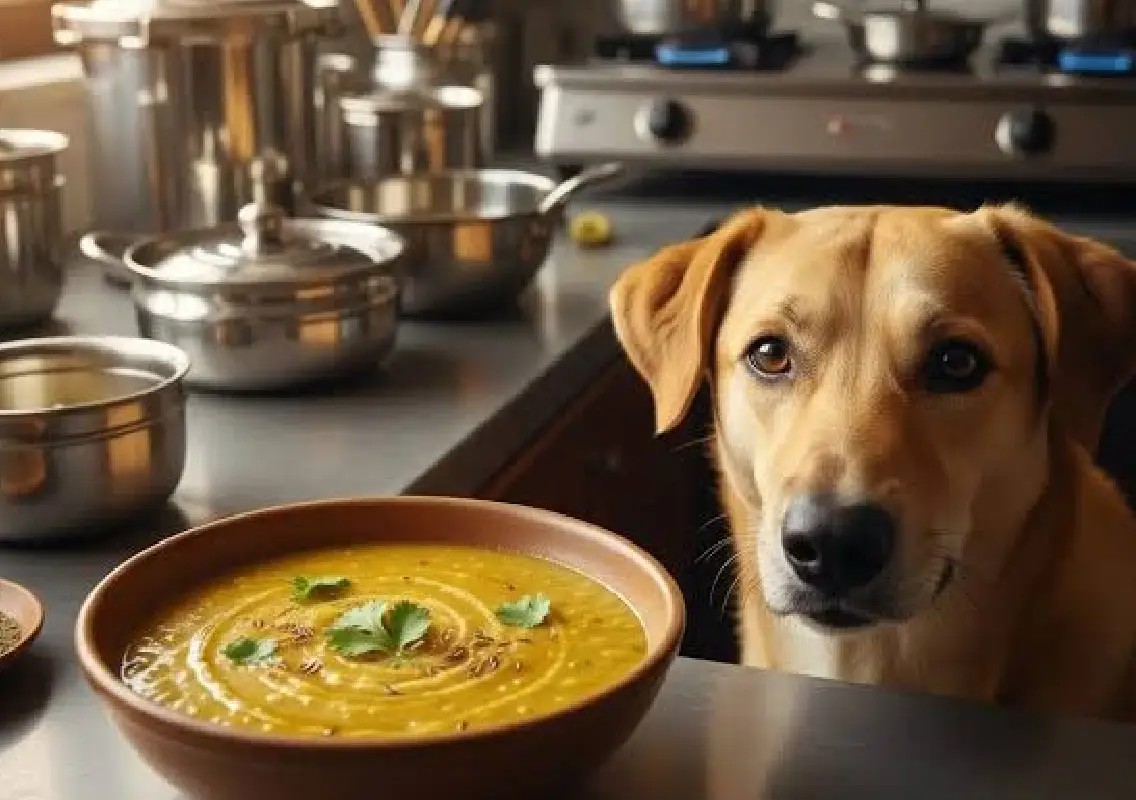
For many Indian families, sharing a little rice, dal or chicken with a beloved pet is an everyday expression of affection. But veterinarians caution that what appears to be a wholesome home meal for people may not provide everything a dog needs for long-term health.
The problem is not the food, but the balance
Plain cooked rice can be safe for dogs, while properly cooked, boneless chicken can provide useful protein. However, rice and chicken alone do not constitute a complete diet. Long-term feeding without the right balance of essential nutrients can leave important nutritional gaps.
Dogs require appropriate amounts of protein, fats, carbohydrates, vitamins, minerals and water. Calcium and other minerals are particularly important for maintaining healthy bones and normal body functions. Veterinary nutrition guidance also warns that homemade diets can become inadequate when nutrients are missing or supplied in the wrong proportions.
Table scraps can quietly affect health
Regularly feeding leftovers can also mean giving dogs excessive calories, salt, oil or unsuitable ingredients. An unbalanced diet over time may contribute to weight gain and nutritional deficiencies, while poor nutrition can affect the skin and coat.
Pet owners should be especially careful with food containing onion, garlic, chocolate, grapes, raisins or cooked bones, which can be dangerous for dogs.
Give love without compromising nutrition
Home-cooked food can be part of a dog’s diet, but a permanent homemade meal plan should ideally be formulated with veterinary guidance to ensure that nutritional requirements are met.
For pet parents, the message is simple: sharing food is an expression of love, but a balanced diet is an expression of responsible care.