
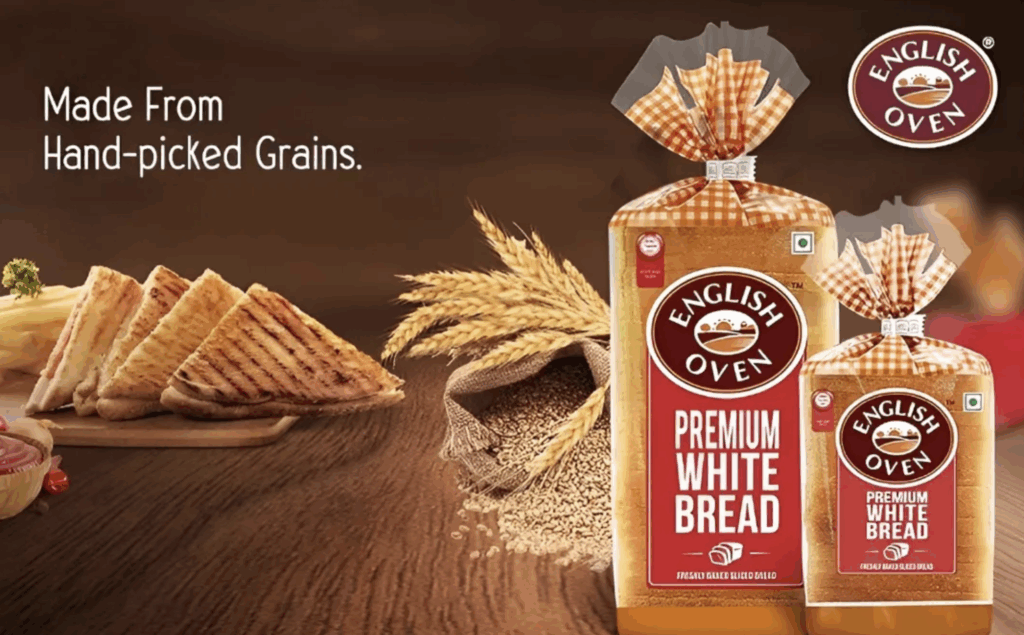

India’s consumer watchdog has taken a strong stand against misleading food advertising by imposing a ₹1 lakh penalty on Mrs. Bectors Food Specialities Ltd., the maker of the English Oven bread brand. The Central Consumer Protection Authority (CCPA) ruled that the company’s claims of “100% Atta Bread” and “100% Whole Wheat Bread” were misleading because the products did not actually contain 100% whole wheat flour as advertised. The decision is being viewed as a significant step towards ensuring greater transparency in food labelling and protecting consumer interests.
What Triggered the Action?
The controversy centred around promotional claims used by the English Oven brand across product packagingadvertisements, websites, and social media platforms. The company prominently marketed certain products as “100% Atta Bread” and “100% Whole Wheat Bread”, creating the impression that the bread was made entirely from whole wheat flour.
However, during the proceedings, it emerged that the bread contained only 87% whole wheat flour, with the remaining composition consisting of other ingredients commonly used in bread manufacturing. The CCPA concluded that a product containing 87% whole wheat flour cannot be advertised using an absolute “100%” claim.
Why the CCPA Found the Claims Misleading
According to the consumer authority, the term “100%” is an absolute numerical expression that leaves no room for interpretation or approximation. A reasonable consumer encountering a “100% Whole Wheat Bread” label would naturally assume that the product consists entirely of whole wheat flour.
The regulator also noted that the packaging simultaneously highlighted claims such as “100% Whole Wheat” and “Zero Maida,” which could further reinforce the perception that the bread was made exclusively from whole wheat flour. As a result, the authority classified the advertisements as misleading and an unfair trade practice under the Consumer Protection Act, 2019.
Company’s Defence Rejected
Mrs. Bectors argued that the phrase “100% Atta” was intended only to indicate that wheat flour was the sole grain source used in the product and that no refined flour or other grains were added. The company maintained that consumers would understand that bread naturally contains ingredients such as water, yeast, salt, and other additives necessary for baking.
However, the CCPA rejected this explanation, stating that advertisements must be evaluated from the perspective of an average consumer rather than based on post-facto interpretations offered by the manufacturer. The authority held that the plain meaning of “100%” could not be diluted through alternative explanations.
Immediate Directions Issued
In addition to imposing the monetary penalty, the CCPA directed the company to discontinue the disputed advertisements and remove the misleading claims from all platforms, including packaging, websites, and digital channels. The company has also been asked to submit a compliance report within the stipulated timeline.
The action forms part of a broader crackdown by the regulator on exaggerated or misleading food claims. Around the same time, similar penalties were imposed on other food companies for using “100%” claims that did not accurately reflect the composition of their products.
A Warning for the FMCG Industry
The ruling sends a clear message to food and beverage companies that absolute claims such as “100%”, “pure”, or “natural” must be fully supported by product composition. Regulators are increasingly scrutinising marketing language to ensure consumers receive accurate information about the products they purchase.
For consumers, the case serves as a reminder to carefully examine ingredient labels and nutritional information rather than relying solely on promotional claims displayed on packaging.
Summary
The CCPA has imposed a ₹1 lakh penalty on Mrs. Bectors Food Specialities for misleading consumers through its English Oven “100% Atta Bread” and “100% Whole Wheat Bread” claims. The regulator found that the products contained only 87% whole wheat flour, making the “100%” label inaccurate. The company has been ordered to withdraw the claims immediately, reinforcing stricter standards for food advertising and consumer protection in India.
There is
Comments are closed.