
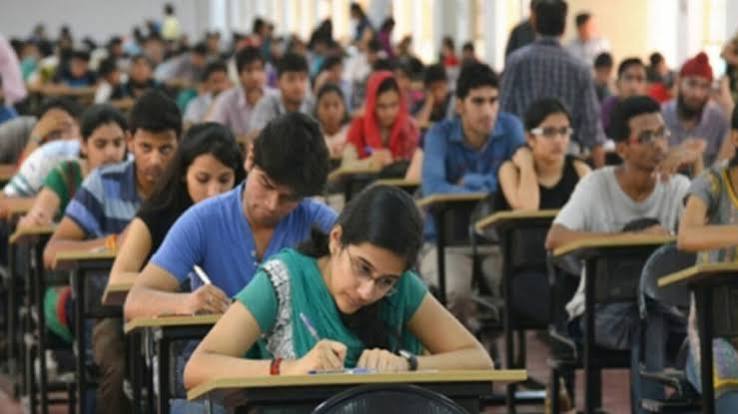

The Centre is set to introduce the Public Examinations (Prevention of Unfair Means) Amendment Bill, 2026significantly strengthening India’s anti-paper leak law. The proposed legislation increases prison terms, raises financial penalties and introduces fast-track courts to ensure quicker investigation and trial of examination fraud cases.
The move comes amid nationwide concerns over examination paper leaks and aims to restore confidence in the country’s public examination system.
Harsher Punishments For Exam Fraud
Under the proposed amendments, individuals found guilty of using unfair means, including leaking question papers, could face five to ten years of imprisonmentcompared to the existing punishment of three to five years. The maximum fine would also increase sharply from ₹10 lakh to ₹50 lakh.
The government believes stronger penalties will act as a deterrent against organised examination fraud and malpractice.
Organised Crime To Attract Even Tougher Penalties
The Bill proposes stricter action against organised paper leak rackets. Those involved in organised examination fraud could face a minimum prison term of seven yearswith fines reaching ₹10 crore.
Service providers, examination agencies and institutions found complicit in paper leak cases could also face significantly higher financial penalties, stricter liability and longer periods of debarment from conducting public examinations.
Fast-Track Courts For Speedy Justice
A major feature of the amendment is the creation of dedicated fast-track courts in every state and Union Territory. The proposed law directs authorities to complete investigations into paper leak cases within two monthswhile courts are expected to conclude trials within three months of the filing of the chargesheet.
The government hopes these timelines will ensure swift punishment and reduce prolonged legal proceedings.
Special Investigation Framework
The Bill also empowers the Central government to constitute Special Task Forces whenever required for investigating major examination fraud cases. States and Union Territories will be required to appoint Special Public Prosecutors for these cases, ensuring specialised handling of complex investigations.
Appeals arising from these cases would be heard by Division Benches of High Courts under an expedited process.
Strengthening Examination Integrity
The proposed amendments build upon the Public Examinations (Prevention of Unfair Means) Act, 2024, which was introduced to curb organised examination malpractice. The government says recent incidents involving competitive examinations have highlighted the need for stronger legal safeguards to protect the credibility of recruitment and entrance examinations.
By increasing penalties, introducing statutory timelines and creating specialised courts, the Centre aims to improve transparency and restore public trust in India’s examination system.
Summary
The Centre’s proposed Public Examinations Amendment Bill, 2026, increases punishment for paper leaks to up to 10 years in prison and fines of up to ₹50 lakh for individuals, while organised rackets could face fines of ₹10 crore. The Bill also mandates fast-track courts, time-bound investigations and quicker trials to strengthen the integrity of public examinations.
Comments are closed.