
Rs 8 Lakh Railway Compensation Order: Why Supreme Court Protected Passenger Rights Despite No Ticket Proof

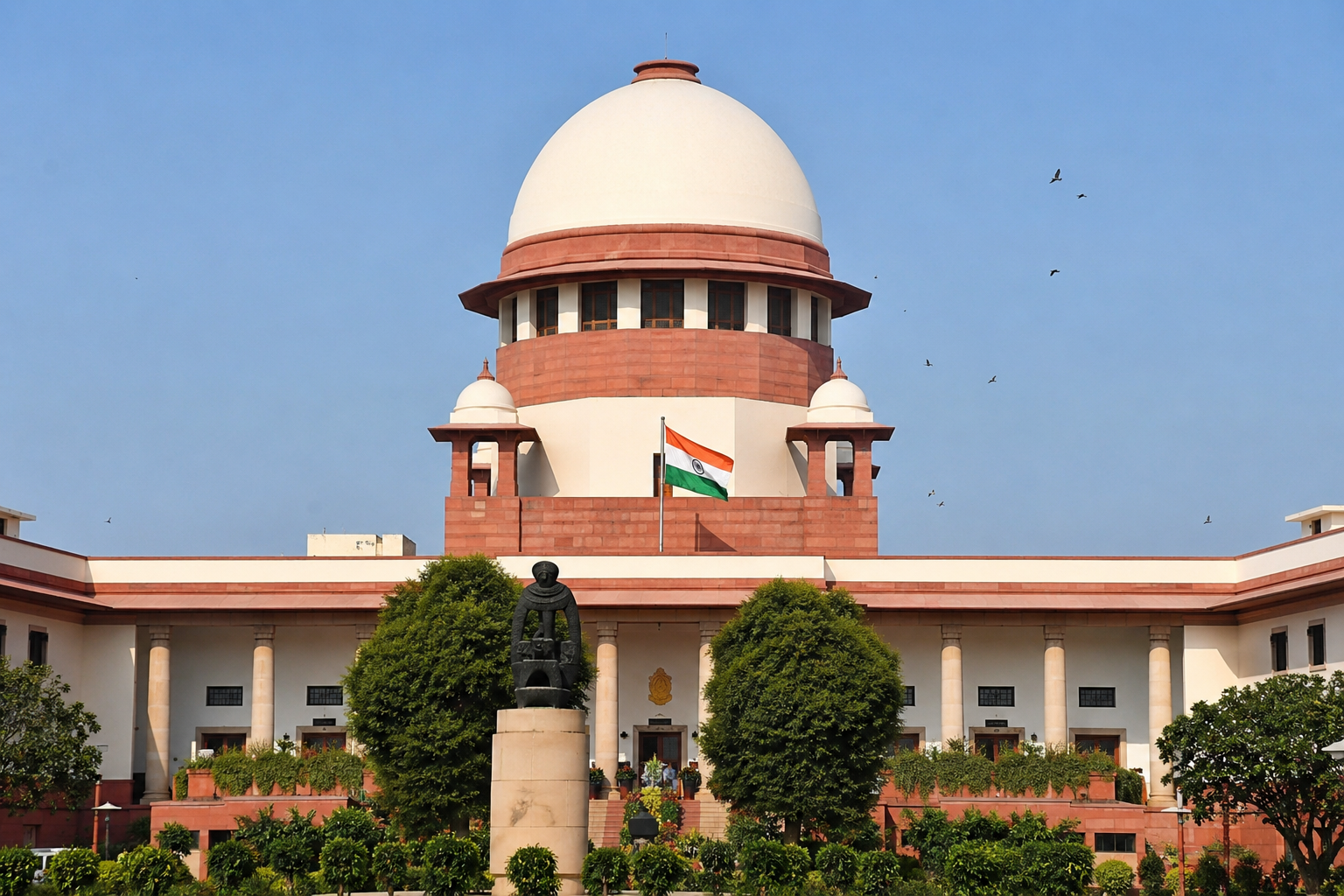
A missing train ticket cannot by itself become a reason to deny compensation to a railway accident victim, the Supreme Court has ruled. In an important judgment, the court said that families of people who die in railway accidents should not lose their legal rights only because a ticket could not be produced.
The Supreme Court stressed that railway laws are welfare laws and must be interpreted in a way that protects passengers and their families. A technical issue like the absence of a ticket cannot defeat the purpose of providing financial support after a tragic accident.
Supreme Court Orders ₹8 Lakh Compensation in Railway Death Case
Supreme Court orders Railways to pay Rs 8 lakh as compensation to wife of man who died falling from moving train. In its latest hearing, the Supreme Court orders Railways to pay a compensation of Rs 8 lakh to the wife of a deceased who died after falling from a moving train. The court rejected the ruling of the Railway Claims Tribunal and the High Court, which dismissed the compensation claims. According to the railway, the deceased passenger did not have a confirmed train ticket.
A bench comprising Justice Sanjay Karol and Justice N. Kotiswar Singh announced the verdict. In the judgment, the Railways have been directed to pay the compensation within four weeks. An interest rate of 8% will be applicable in case of delay in payment.
Supreme Court Says Welfare Laws Cannot Be Limited by Technicalities
While delivering the judgment, Justice Karol explained that the Railways Claims Tribunal Act and related railway compensation provisions are meant to provide quick relief to accident victims.
The court said that such laws should be understood with a liberal and purposeful approach instead of a strict technical interpretation.
According to the Supreme Court, the purpose of Section 124A of the Railways Act is based on the principle of no-fault liability. This means victims do not need to prove negligence by the Railways to receive compensation.
The court observed that procedural problems should not take away the benefit provided under a welfare law.
Wife’s Claim Accepted Despite Missing Train Ticket
The case relates to a 2015 railway accident in which a man died after falling from a train. His wife, Lata, approached the Railway Claims Tribunal seeking compensation. She stated that her husband had purchased a ticket, but it was kept inside his luggage, which was never recovered after the accident.
Initially, the Tribunal and later the High Court rejected the claim because there was no ticket available as proof. However, the Supreme Court disagreed and said that simply not having a ticket does not automatically prove that a person was not a genuine passenger.
The court added that an initial claim by the family can be supported through an affidavit. In this case, the wife’s statement was considered sufficient to raise the claim.
Railway Ticket Checking System Also Came Under Court’s Focus
The Supreme Court also pointed out that railway rules provide for ticket checking at multiple stages. The court said that if railway procedures had been properly followed, ticket verification before boarding could have created a record and prevented disputes about whether the passenger was travelling without a ticket.
The judgment highlighted that while passengers have responsibilities, the Railways also has a duty to ensure passenger safety.
Supreme Court Raises Concerns Over Railway Safety and Overcrowding
Apart from compensation, the court discussed wider issues related to railway safety, including overcrowding in trains. It suggested that improving safety would require more manpower and better systems. The court noted that creating more railway jobs could help strengthen the organisation while also improving passenger security.
The ruling is being seen as a significant step towards protecting the rights of railway passengers and their families. It makes clear that genuine compensation claims should not be rejected only because of missing documents when circumstances suggest that a person was travelling as a passenger.
The post Rs 8 Lakh Railway Compensation Order: Why Supreme Court Protected Passenger Rights Despite No Ticket Proof appeared first on NewsX.

Comments are closed.