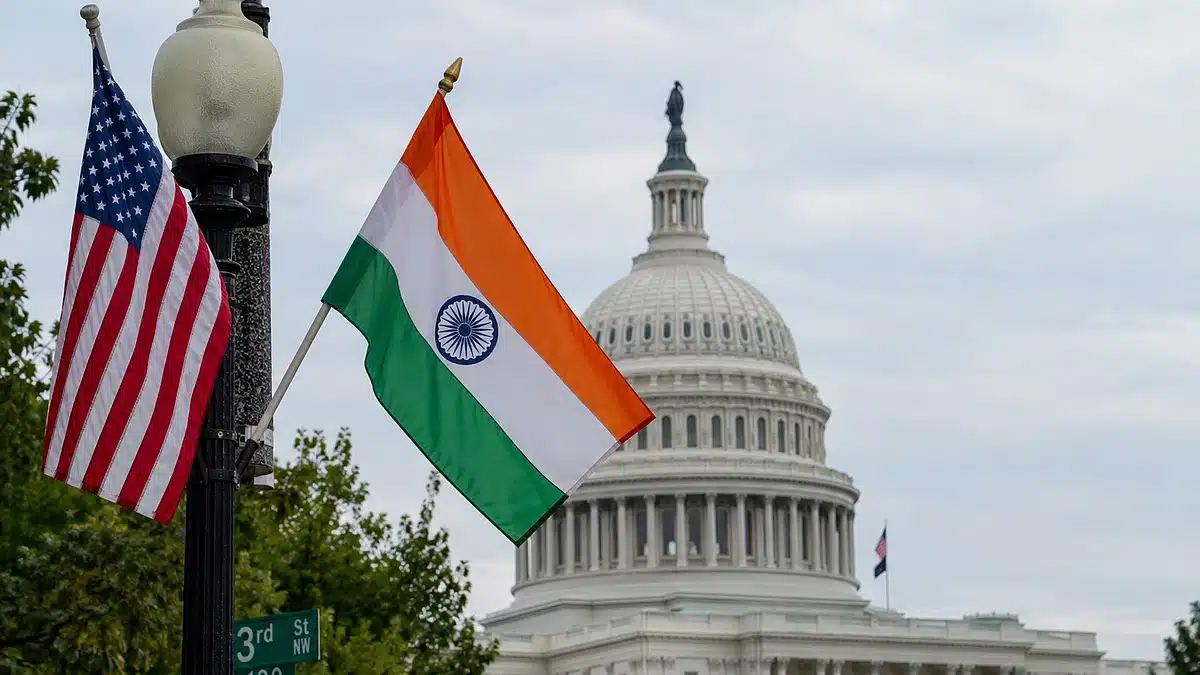
The US House of Representatives has passed a Russia sanctions bill that would give President Donald Trump authority to impose tariffs of up to 100% on countries purchasing Russian oil and gas, including major buyers such as India and China.
The Lindsey O. Graham Sanctioning Russia and Iran Act of 2026 cleared the House by a 262-159 vote and is now set to go to Trump for his consideration after having already passed the Senate.
However, the legislation does not automatically impose a 100% tariff on countries buying Russian energy. Instead, it gives the Trump administration the authority to levy such tariffs.
Russia Sanctions Bill Clears US House
The House vote came after the legislation moved rapidly through Congress this week. The House Rules Committee removed a procedural hurdle on Monday, clearing the way for lawmakers to consider the measure.
A day later, the House voted 214-211 to set up the final vote. Two Democratic lawmakers joined Republicans in supporting the procedural motion.
The bill is aimed at increasing economic pressure on Russia while also giving the US administration additional tools to target countries continuing significant economic ties with Moscow.
India And China Among Countries In Focus
India is among the major purchasers of Russian energy that could potentially be affected by the legislation. China is also expected to face scrutiny under the proposed framework.
Other countries identified in the legislation include Slovakia, Hungary and Azerbaijan.
The measure, however, contains exemptions relating to certain European allies of the US, with the exemptions linked to efforts by those countries to reduce their purchases of Russian energy.
Trump Yet To Decide On Tariffs
The passage of the bill does not mean that India or China will immediately face a 100% tariff.
The legislation would provide the Trump administration with the authority to impose tariffs of up to 100%. Any decision to use that authority would depend on the administration.
The White House’s role in the bill’s movement through Congress has also drawn attention. Earlier, US Ambassador Sergio Gor said Trump’s support for the legislation had been muted. More recent reports cited by HT suggested that the White House may have played a role in securing additional support for the measure.
India’s Position
India has maintained that its energy purchases are guided by its national interest.
Responding to a question about the Russia sanctions bill at a press briefing in Delhi, Ministry of External Affairs spokesperson Randhir Jaiswal said India’s energy sourcing decisions are based on the country’s national interest.
The statement comes as Washington continues to consider additional measures aimed at putting economic pressure on Russia over its war in Ukraine.
What The Bill Means For India
If the Trump administration ultimately uses the authority provided under the legislation, Indian exports to the US could potentially face significantly higher tariffs.
However, the bill itself does not impose an automatic 100% tariff on Indian goods. The immediate development is the expansion of the US president’s potential authority to impose such measures on countries purchasing Russian energy.
The next key step is therefore Trump’s decision on whether to sign the legislation and, if enacted, how his administration chooses to use the powers provided under it.