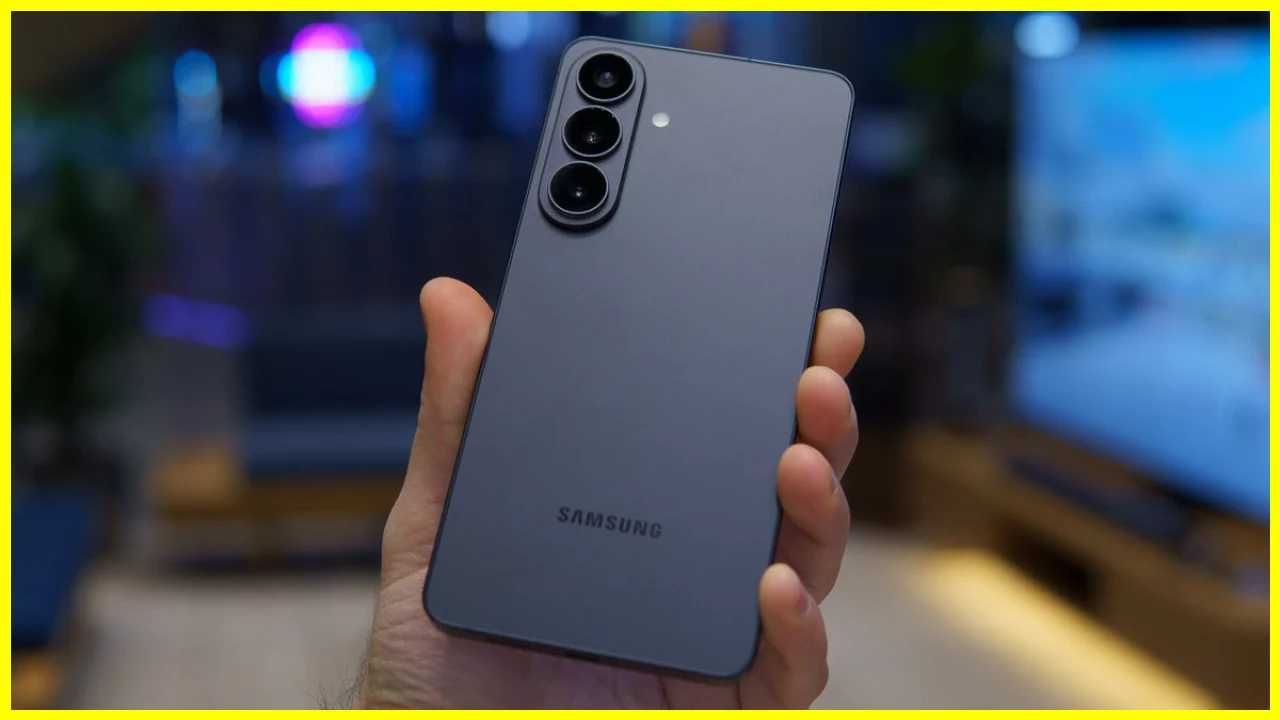
NEW DELHI, July 30: The upcoming Samsung Galaxy S26 FE has reportedly appeared on the UL Demko certification database, suggesting that the smartphone could launch soon in India and other global markets. The handset has already been spotted on multiple certification platforms, including the Bureau of Indian Standards (BIS), indicating an imminent debut.

Certification Reveals 45W Fast Charging
According to the reported UL Demko listing, the Galaxy S26 FE has appeared with model numbers SM-S741W, SM-S741U1, SM-S741U, SM-S741B/DS, SM-S741B, and SM-S741N.
The certification reportedly confirms that the smartphone will support 45W wired fast charging, the same charging speed offered on its predecessor, the Samsung Galaxy S25 FE.
India Launch Expected Soon
The Galaxy S26 FE was recently listed on the BIS certification website with the model number SM-S741B/DS, indicating that Samsung may launch the handset in India in the near future.
Geekbench Listing Hints at Key Specifications
The smartphone was also previously spotted on the Geekbench benchmarking platform, where it was listed with Samsung’s Exynos 2500 processor.
According to the benchmark listing, the chipset includes:
- Two cores clocked at 1.80GHz
- Five cores at 2.36GHz
- Two cores at 2.75GHz
- One high-performance core with a peak clock speed of 3.30GHz
The handset was also listed with Android 17 and 6.81GB RAM, which is expected to be marketed as 8GB RAM.
Samsung has not officially confirmed the smartphone or its specifications.
Galaxy S25 FE Recap
The Samsung Galaxy S25 FE was launched in India in September last year at a starting price of ₹59,999 for the 8GB + 128GB variant.
The smartphone features a 6.7-inch Full-HD+ Dynamic AMOLED 2X display with a 120Hz refresh rate and 1,900 nits peak brightness. It is powered by the Exynos 2400 chipset.

Bhupendra Singh Chundawat is a seasoned technology journalist with over 22 years of experience in the media industry. He specializes in covering the global technology landscape, with a deep focus on manufacturing trends and the geopolitical impact on tech companies. Currently serving as the Editor at Read, his insights are shaped by decades of hands-on reporting and editorial leadership in the fast-evolving world of technology.
Related