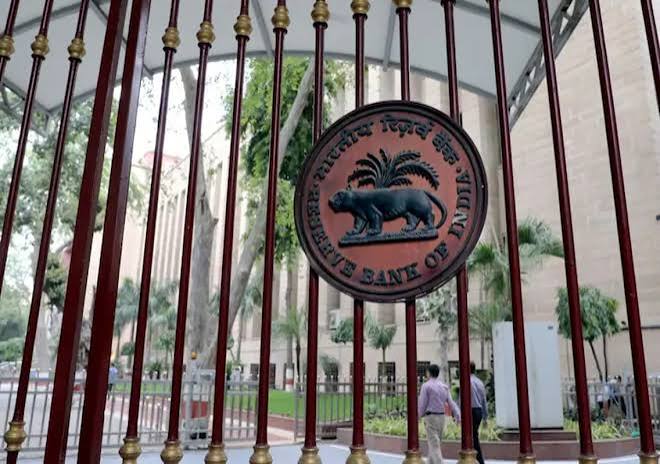
Mumbai: The Reserve Bank of India could be heading towards its first interest-rate increase in more than three years, with SBI Research flagging rising inflation, rupee weakness, global financial risks and changing liquidity conditions ahead of the Monetary Policy Committee’s October meeting.
In its latest pre-MPC report, SBI Research said the balance of risks has shifted towards a 25-basis-point repo rate hike at the October 5-7 policy meeting. The report argued that delaying action could leave policymakers responding to inflation and currency pressures after they have intensified.
The SBI Research view is an assessment rather than an indication of the RBI’s final decision. The central bank’s current policy repo rate is 5.25%, according to RBI data.
Inflation emerges as key concern
SBI Research highlighted the sharp rise in consumer inflation as one of the main reasons for a possible change in the RBI’s policy stance.
India’s retail inflation rose to 4.82% in August 2026, compared with 4.45% in July. Official government data lists the August CPI release as provisional.
According to SBI Research, price pressures are also becoming broader, with a greater number of commodities contributing to headline inflation.
The research house expects CPI inflation to rise to around 5.65% in September and potentially cross 6.5% in October and November. It expects inflation to moderate to below 6% in early 2027.
If realised, such a trajectory would put considerably more pressure on the RBI to keep inflation expectations under control while assessing the impact of higher prices on households and businesses.
Rupee weakness adds to RBI challenge
The Indian rupee is another concern identified by SBI Research.
The research report said the currency has faced sustained pressure from several sources, including foreign portfolio outflows, dollar demand from oil marketing companies and corporates, and demand from foreign banks.
The rupee also weakened sharply in recent sessions as global bond yields and crude oil prices increased. Reuters reported that the currency fell 0.5% to around ₹96.315 per US dollar on October 1, its lowest level in two months at that point.
A weaker rupee can add to imported inflation, particularly when global crude oil prices are elevated. For an economy that imports a substantial share of its crude requirements, higher oil prices can increase the cost of fuel and other imported inputs.
SBI Research therefore sees currency stability as another factor that policymakers may have to consider alongside domestic inflation.
Global interest rates complicate outlook
The SBI report also pointed to changes in the global interest-rate environment.
Several major central banks have either raised rates or maintained a cautious policy stance as inflation risks have increased. Higher global interest rates can affect capital flows into emerging markets and put additional pressure on currencies.
SBI Research specifically highlighted elevated US Treasury yields, energy-related inflation risks and concerns surrounding high public debt globally.
The research house said these developments could tighten global financial conditions for India and increase the importance of maintaining macroeconomic and financial stability.
Recent Reuters analysis similarly noted that broadening inflation, robust Indian economic growth and changes in global monetary policy have increased expectations of RBI tightening in October. A Reuters poll published in September found that around 60% of economists expected a 25-basis-point increase.
Liquidity conditions also in focus
SBI Research has also raised questions about the quality of liquidity available to the banking system.
While headline liquidity numbers can appear comfortable, the report argued that the amount of liquidity actually available for credit creation can be lower after accounting for regulatory requirements and other factors.
Requirements such as the cash reserve ratio (CRR), statutory liquidity ratio (SLR) and liquidity coverage ratio (LCR) can affect how much of banks’ deposits can ultimately be deployed as credit.
The RBI has also been using foreign-exchange operations and other liquidity-management tools. Reuters reported that the central bank had significantly reduced excess rupee liquidity through measures including dollar-rupee swaps, spot dollar sales, bond sales and variable-rate reverse repos.
SBI Research believes these changing liquidity dynamics need to be considered when assessing the appropriate monetary-policy response.
Monsoon could create additional food inflation risk
Weather conditions have emerged as another factor in the SBI report.
SBI Research described the 2026 monsoon as the fourth-driest since 2000, with rainfall at about 87% of the long-period average.
The report highlighted deficient rainfall in states including Punjab and Bihar and noted the declaration of drought across 265 talukas in Maharashtra.
The concern is that weaker rainfall could affect agricultural output, particularly the Rabi crop, while a strong El Niño could add to weather-related uncertainty.
At the same time, SBI Research noted that Kharif sowing was only about 1.2% below last year’s level, providing some support to food supplies and limiting some of the downside risks.
SBI Research expects GDP forecast upgrade
Despite the inflation and currency concerns, the SBI report does not present the economic outlook as uniformly weak.
SBI Research expects the RBI to increase its FY27 GDP growth forecast by 30 basis points. It also expects the central bank to raise its FY27 inflation forecast by 20 basis points.
The growth assessment reflects the continued strength of economic activity, even as policymakers face a more challenging inflation environment.
Recent data have strengthened expectations that the Indian economy can absorb some monetary tightening. Reuters reported that India’s economy grew by nearly 8% in the April-June quarter, while bank credit growth also remained strong.
What the October MPC meeting could mean
The October 5-7 MPC meeting comes at a particularly important point for monetary policy.
The RBI has kept the repo rate at 5.25%, but inflation has moved higher from the unusually low levels seen earlier in 2026. At the same time, the rupee has faced pressure from capital outflows, higher oil prices and tighter global financial conditions.
SBI Research’s recommendation for a 25-basis-point increase would take the repo rate to 5.50%, if the MPC follows that path.
However, the final decision will depend on the MPC’s assessment of incoming inflation, growth, liquidity, currency and global economic data. Other economists and market participants have also raised expectations of an October hike, but the size and pace of any tightening cycle remain uncertain.
For borrowers, a rate increase could eventually put upward pressure on lending rates, particularly if banks pass on higher funding costs. For savers, higher policy rates can eventually support better returns on some deposits and fixed-income instruments.
The immediate focus, however, will be on the RBI’s assessment of whether the recent rise in inflation is temporary or likely to persist.