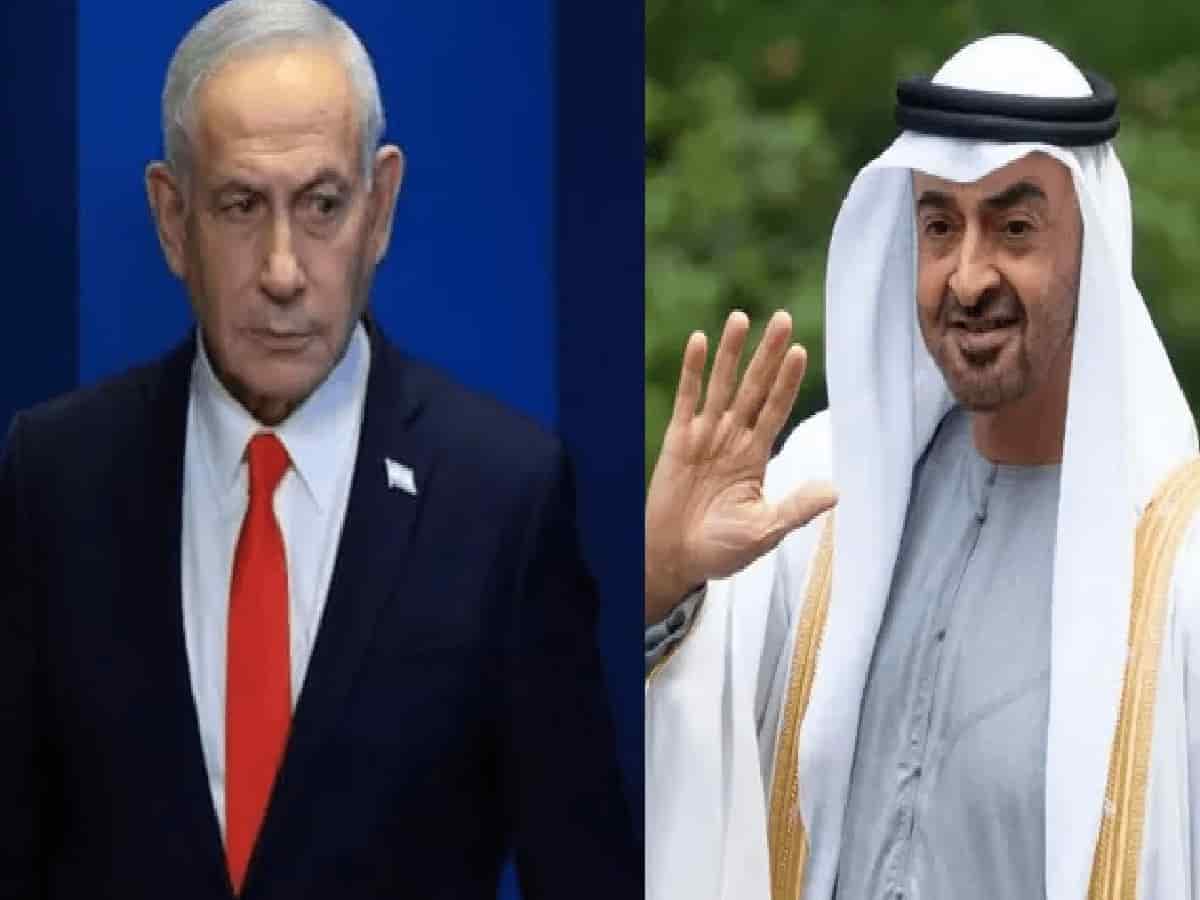
In a quiet yet strategically seismic diplomatic engagement, Israeli Prime Minister Benjamin Netanyahu undertook an unannounced, discreet visit to Abu Dhabi on Sunday, meeting directly with United Arab Emirates President Sheikh Mohamed bin Zayed Al Nahyan. According to international reports from news agency Reuters, the covert bilateral dialogue unfolded against the backdrop of escalating security flashpoints across the wider Middle East and the looming prospect of direct conflict with Iran. While neither Jerusalem nor Abu Dhabi released official communiqués concerning the sensitive deliberations, the meeting coincides with reignited domestic political controversies in Israel over intelligence coordination, bilateral communications, and disputed forewarnings surrounding the catastrophic October 7, 2023, Hamas incursions.
The Haaretz Controversy: Rebutting Prior Warning Claims Ahead of Israeli Elections
The unpublicized meeting comes as domestic scrutiny intensifies within Israel regarding pre-attack intelligence assessments:
Disputed Forewarning Claims: Israeli daily Haaretz recently triggered a major political firestorm by alleging that the UAE President had personally alerted Netanyahu about impending, large-scale militant maneuvers approximately 10 days before the October 7 assault, claiming the intelligence was not immediately routed to front-line defense organs.
Fierce Rejection and Legal Action: Prime Minister Netanyahu forcefully rejected the claims, dismissing them as fabricated political smears while threatening direct legal action against the publication.
Opposition Pressure: With general elections on the horizon, opposition lawmakers have capitalized on the controversy to corner Netanyahu, demanding full accountability for institutional security lapses.
Direct Diplomatic Channels: Maintaining official silence on the investigative leaks, the UAE reiterated its established stance that comprehensive, open, and direct communication channels have operated continuously between the two administrations since normalization.
History of Covert Backchannels: High-Level Engagements from Al-Ain to Abu Dhabi
The weekend talks mark the continuation of high-stakes, off-the-record interactions between the two regional leaders:
The Al-Ain Meeting: This is not the first instance of confidential leader-level diplomacy; despite previous public denials by Gulf officials, the Israeli Prime Minister’s Office acknowledged a quiet overseas visit in May, with diplomatic insiders confirming the two leaders met secretly on March 26 in the oasis city of Al-Ain near the Oman border.
Strategic Backchannel Continuity: The quiet summit in Abu Dhabi demonstrates that despite vocal public tensions and shifting regional diplomacy, executive backchannels between Jerusalem and Gulf leadership remain active for crisis management.
Abraham Accords and Geopolitical Calculus: Navigating Washington and the Iran Threat
The high-level engagement reflects calculated geopolitical alignments under the historic normalization architecture:
First Mover in the Abraham Accords: The UAE made history in 2020 by becoming the first Arab nation in over two decades to formally normalize bilateral ties with Israel under the US-brokered Abraham Accords, cementing shared trade, intelligence, and defense interests.
Countering Regional Escalation: Amid growing threats of wider regional escalation involving Tehran and its regional network, the UAE seeks to maintain a delicate strategic balance, strengthening security understandings with Washington and Jerusalem while preserving national commercial stability.
Maintaining Economic and Security Ties: Despite recurring diplomatic friction across the Levant, both administrations continue to view their bilateral security coordination and high-level communications as crucial anchors for long-term stability in the Gulf and the wider Middle East.