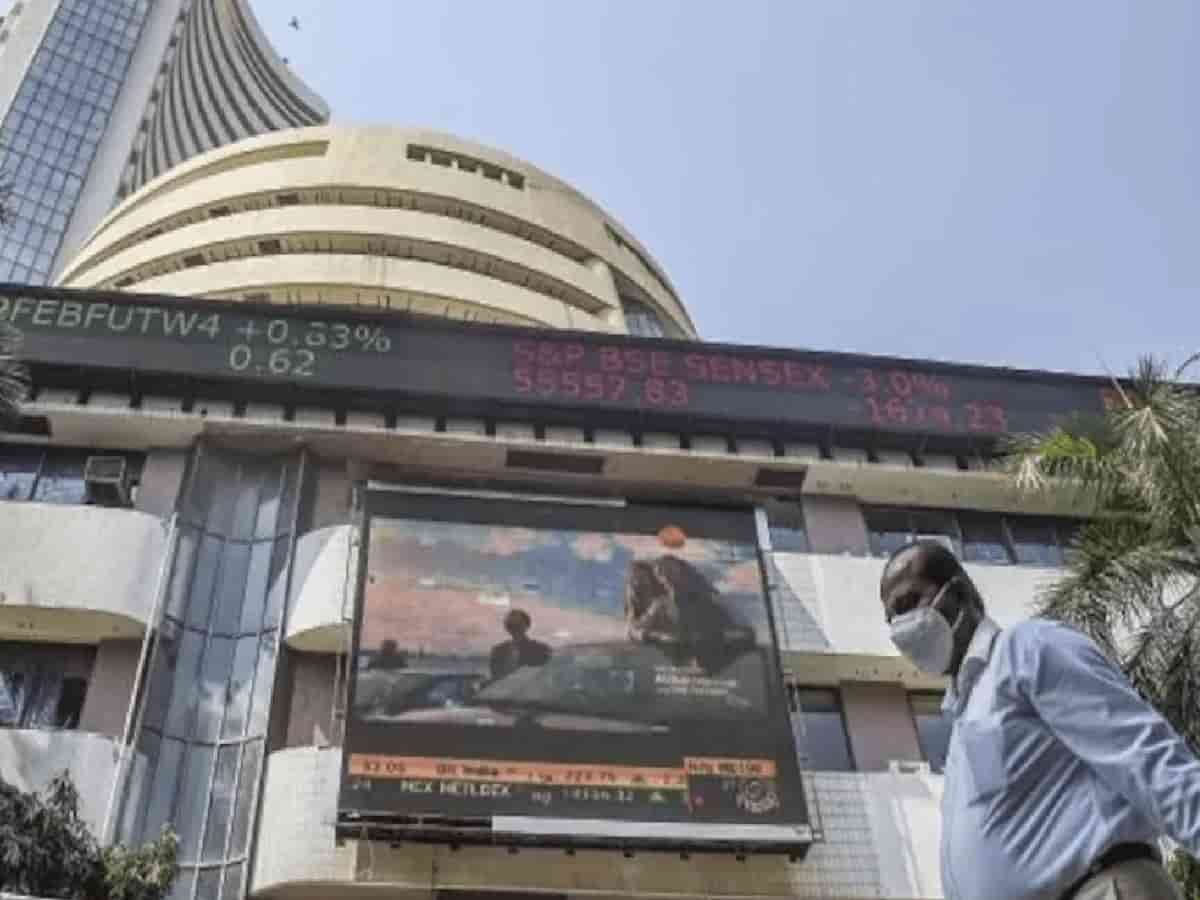
Indian benchmark equity indices experienced a cautious start to the trading week on Monday, August 31, 2026, dragged down by a wave of risk aversion across global markets. Renewed military escalations between the US and Iran stoked fears over international energy supplies, driving a sharp rebound in crude oil prices above $90 per barrel and dampening investor sentiment across Asian bourses.
Sensex and Nifty Open in the Red Amid Global Headwinds
Tracking weak global cues, the 30-share BSE Sensex opened lower by 133.78 points, or 0.17 percent, starting the session at 77,130.73. Simultaneously, the broader NSE Nifty 50 shed 58.10 points to open at 24,117.55, hovering dangerously close to the crucial 24,100 threshold.
Broader market indices mirrored the weak trend during early trade. While the BSE Midcap Select Index dropped 40.05 points, the BSE Smallcap Select Index slipped 11.63 points (0.13 percent) to trade at 9,275.37. Despite the headline indices opening in the negative, market breadth remained relatively balanced in early exchanges, with 1,535 stocks advancing against 1,104 declines on the NSE, while 959 shares remained unchanged.
Top Gainers and Losers Led by Eternal and Sun Pharma
Within the Sensex pack, selective buying helped buffer some losses. Eternal emerged as the top gainer, climbing 0.49 percent in early trade, accompanied by Tech Mahindra, Bharat Electronics Limited (BEL), Adani Ports, and HDFC Bank.
On the flip side, selling pressure hit pharmaceutical and FMCG heavyweights. Sun Pharma led the losers, dropping 0.99 percent, followed by Indigo, Kotak Mahindra Bank, NTPC, and UltraTech Cement.
Commenting on the macro environment, Dr. V.K. Vijayakumar, Chief Investment Strategist at Geojit Investments Limited, noted, “This week’s trading begins with the market facing a few headwinds. From the global equity market perspective, sentiment has turned slightly negative following Fed chief Kevin Warsh’s statement that if inflation persists at rates higher than the Fed’s long-term target, ‘we have work to do’. The market has taken this as an indication of a rate hike in the FOMC meeting scheduled for September 15-16. The consequent rise in bond yields is negative for equity markets. Another headwind is the renewed escalation of tensions between the US and Iran, pushing Brent crude above $90.”
FII Outflows and Bleeding Asian Markets
Early indicators had already flashed warnings, with Gift Nifty trading down 47.5 points at 24,264.50 ahead of the opening bell. Institutional flow data from the previous week showed foreign capital outflows continuing, as Foreign Institutional Investors (FIIs) offloaded equities worth ₹5,039.80 crore on August 28, while Domestic Institutional Investors (DIIs) acted as net buyers, absorbing ₹5,183.93 crore.
The cautious domestic mood reflected a broader regional sell-off across Asia. Japan’s Nikkei 225 plummeted 735.56 points (1.11 percent) to 65,670, Hong Kong’s Hang Seng shed 173.79 points (0.66 percent), South Korea’s Kospi dropped 1.45 percent, and Shanghai’s SSE Composite traded down 0.20 percent as global investors sought safe-haven assets.