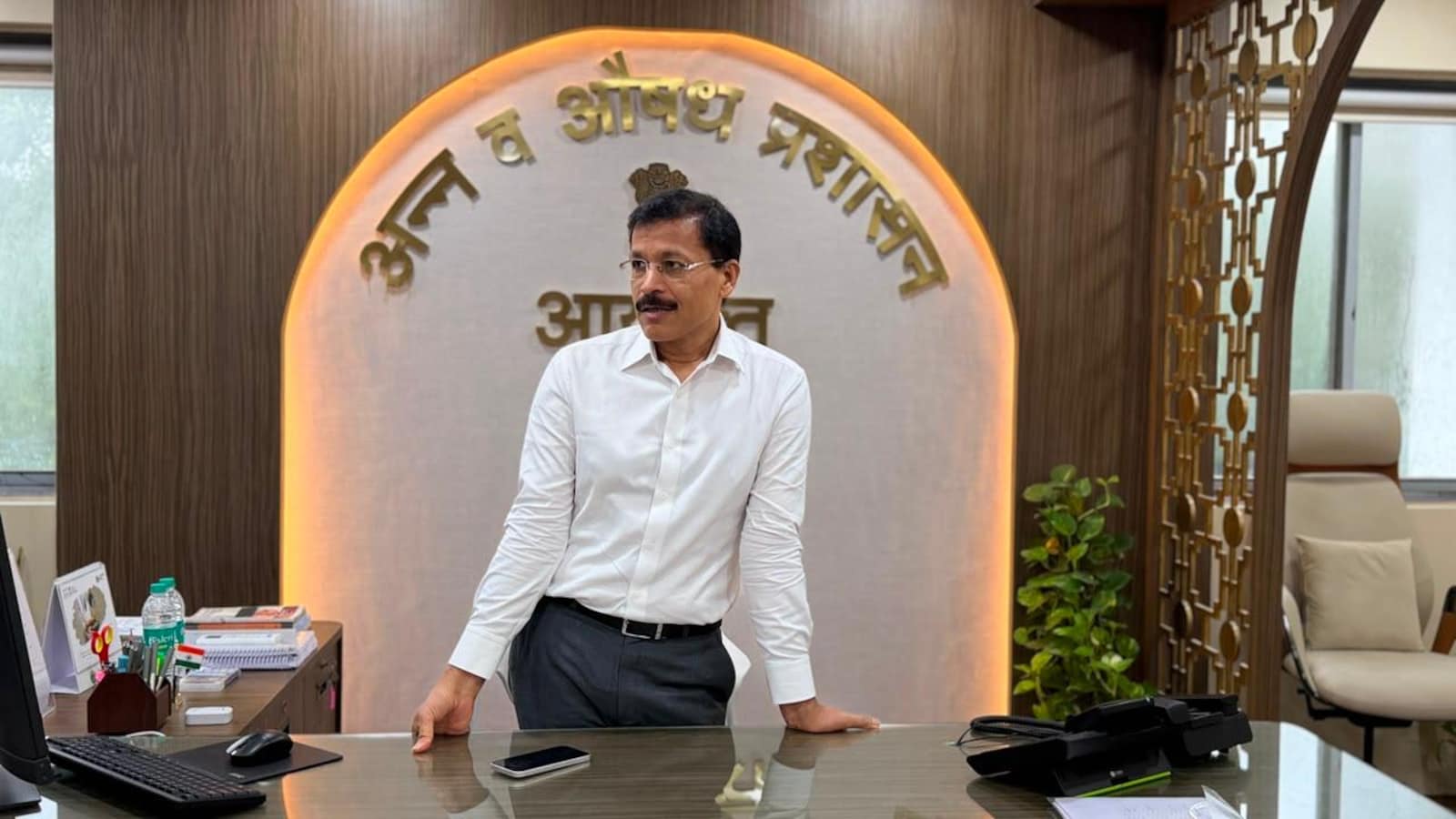
With Diwali celebrations in full swing, Tukaram Mundhe, Commissioner of the Maharashtra Food and Drug Administration (FDA), has issued a cautionary advisory for food businesses and consumers. He has urged everyone to stay vigilant about food safety and hygiene to ensure a safe and healthy festive season.
In a video message, Mundhe stressed that celebrations should not come at the cost of public health, urging citizens to check the quality, dates and licensing details of food products before buying them.
“Diwali is a festival of happiness. But while celebrating, we must also ensure that the food we are eating and serving is safe,” Mundhe said.
He urged consumers to be careful while purchasing sweets, especially laddoos and kaju katli. “Are the sweets and other products we are buying from the market safe? Do they meet the required standards? Is there any compromise in their quality? We need to remain vigilant about this,” he said.
'Check Manufacturing And Expiry Dates'
Mundhe advised consumers to check the manufacturing date, expiry date and “best before” date before purchasing packaged or other food products.
He added, “Check whether the place you are buying from is a licensed Food Business Operator. When you take the bill, also check whether the FSSAI license number is mentioned on it.”
He cautioned consumers against keeping perishable food for too long, saying it should ideally be consumed within two to three days. “If you keep food in the refrigerator or at home for more than two to three days, it can also become unsafe or fail to meet the required standards,” he said.
Warning To Food Businesses
Mundhe also addressed food manufacturers, retailers and other businesses, warning them against using substandard raw materials during the festive season.
“Do not use any substandard product or raw material. Whether it is spices, edible oil, milk, khoya or anything else, do not prepare food using substandard raw materials,” he said.
He also highlighted the use of food colors in sweets, urging businesses not to exceed permitted limits. “Do not use colors beyond the permitted limit. The allowed limit for sweets is 100 PPM, so do not exceed that. My appeal is also to use natural colors as much as possible,” he said.
'Gift Packs Should Not Contain Expired Products'
Mundhe also warned businesses and consumers about Diwali gift packs and hampers, which often contain a mix of sweets and packaged food products. “The products inside these gift packages should not be expired or damaged. They should be safe and within their valid shelf life,” he said.
He added that action could be taken against businesses that pack food products without providing required expiry and other details.
“Citizens must also remain alert about the products they purchase and give as gifts. We need to make sure that we are gifting safe and standard food products, and not substandard ones,” he said.
His warning extended to online purchases as well. “Whatever we order or purchase online, we need to check the expiry date, manufacturing date and whether there is any damage to the packaging,” Mundhe said, adding that consumers should also check the price, expiry details and brand name for any signs of tampering.
'Do Not Play With People's Health'
Mundhe also had a message for food businesses looking to capitalize on the Diwali demand. “If you are in business, do not play with people's health,” he said.
He stressed that long-term consumer trust is more valuable than short-term gains during the festive season.
“Your business will grow when you make safe and standard food products and earn people's trust. When people buy your products with confidence, maintain that trust and continue to strengthen it,” he said.
Mundhe warned that a breach of that trust could have long-term consequences for businesses. “Whether it is Diwali, any other festival or throughout the 12 months of the year, if that trust is breached, it becomes very difficult to regain it,” he said.
Maharashtra FDA Steps Up Diwali Checks
Mundhe's warning comes as the Maharashtra FDA steps up inspections across the food supply chain during the festive season. The department's checks have covered sweets, khoya and mawa, milk and dairy products, ghee, cooking oil, dry fruits, snacks, packaged foods and other items witnessing increased demand around Diwali.
The inspections have been carried out across production, storage, transportation and retail, with officials targeting adulterated and unsafe food products.
According to the department, 9,667 food establishments were inspected between September 1 and November 3, 2026. During this period, 4,603 improvement notices were issued, while 954 food licenses and registrations were suspended. Action was also initiated to cancel another 25 licenses and registrations.