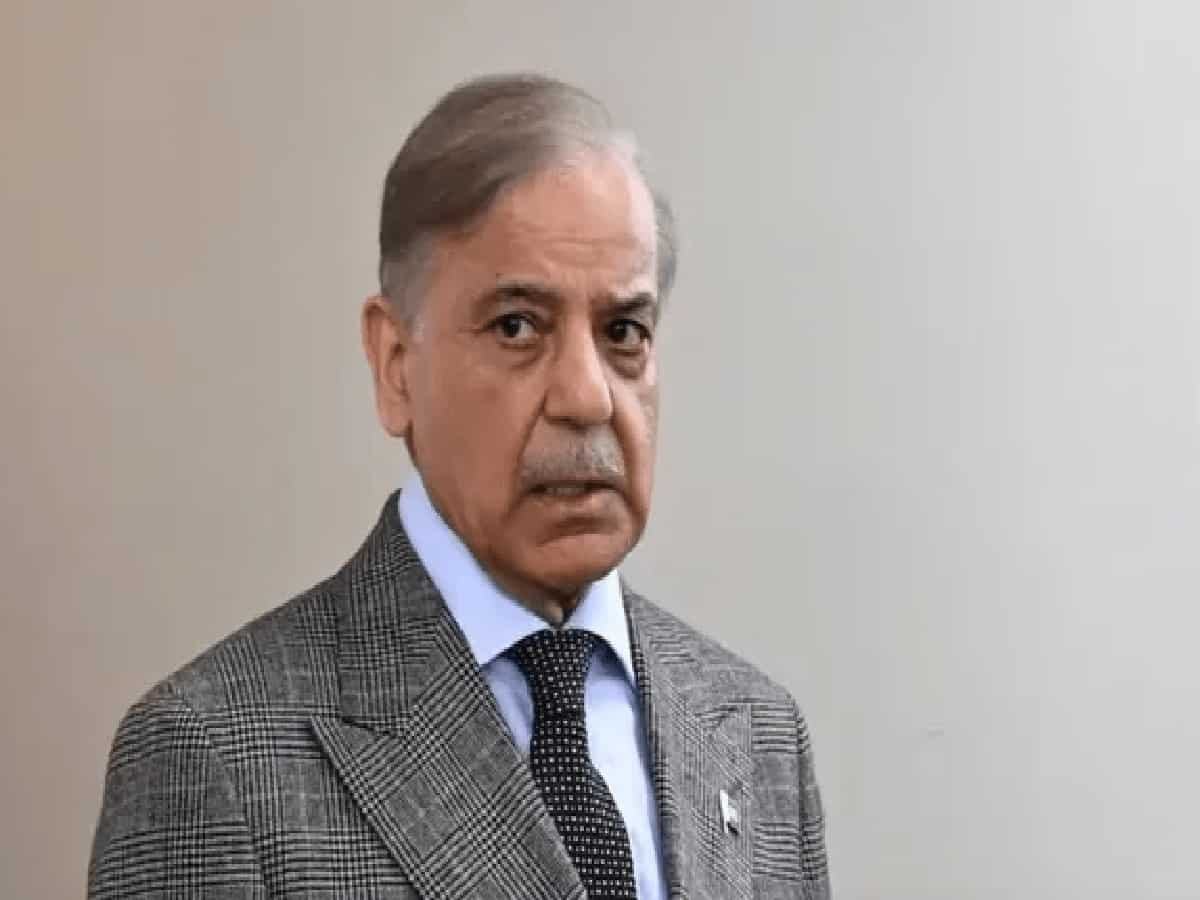
Extending warm festive greetings to the Hindu community residing across Pakistan and around the globe on the auspicious occasion of Diwali, Pakistan Prime Minister Shehbaz Sharif characterized the country’s Hindu citizens as an invaluable and integral component of the nation’s social and cultural fabric. Releasing an official statement through the Prime Minister’s Office on social media platform X, the premier highlighted the universal spiritual symbolism of the festival of lights, describing it as an inspiring celebration of the triumph of light over the darkness of despair and hatred. Highlighting the imperative of interfaith harmony, peaceful coexistence, and mutual respect, Sharif lauded the contributions made by Pakistani Hindus toward the country’s socioeconomic and cultural advancement. The Prime Minister reaffirmed his administration’s constitutional commitment to safeguarding the religious freedoms, civil liberties, and fundamental rights of all citizens, irrespective of their religious affiliations or ethnic backgrounds.
Hindus as an Invaluable Pillar of Pakistan’s National Fabric
In his address to the Hindu community on Sunday, Prime Minister Shehbaz Sharif emphasized that Pakistan’s cultural vitality stems from its pluralistic heritage. Acknowledging the historic presence and contemporary role of minority citizens across diverse sectors—including commerce, healthcare, legal services, public administration, and social welfare—the Prime Minister underscored that national progress relies on the active participation of every community.
Outlining the government’s perspective, Sharif expressed pride in the country’s cultural composition:
The Victory of Hope: Describing the spiritual meaning of the festival, the Prime Minister framed Deepawali as an annual reminder that truth, kindness, and light inevitably prevail over despondency and societal divisions.
Integral National Identity: “The Hindu community of Pakistan is a valued and integral part of our national fabric,” Sharif affirmed, acknowledging their contributions to nation-building.
Diversity as a Social Asset: The premier stated that diverse cultural traditions represent valuable societal assets rather than points of friction, noting that a nation that respects pluralism fosters greater civic unity.
Constitutional Commitments: Safeguarding Minorities and Religious Freedom
Addressing ongoing discussions surrounding minority rights and administrative protection, Prime Minister Sharif reaffirmed the government’s constitutional duties. Under the Constitution of the Islamic Republic of Pakistan, freedom of faith, the right to manage religious institutions, and protection against discrimination are explicitly enshrined as fundamental rights.
Sharif reiterated that state institutions remain committed to protecting the places of worship, cultural monuments, and social well-being of minority groups:
Equal Protection Under the Law: The government remains determined to ensure that every citizen enjoys equal protection and unhindered access to legal justice, irrespective of faith, caste, color, or creed.
Promoting Interfaith Harmony: Stressing that religious tolerance is a collective civic responsibility, the Prime Minister urged religious scholars, civil society organizations, and local leaders to actively counter divisive rhetoric and nurture interfaith dialogue.
Inclusive Economic Growth: Emphasizing shared opportunities, the administration noted that educational access, career mobility, and entrepreneurial initiatives must remain open to all young citizens across minority districts.
First Lady Aseefa Bhutto Zardari Reflects on Sindh’s Pluralistic Legacy
Joining the festive greetings, Pakistan’s First Lady and Member of the National Assembly, Bibi Aseefa Bhutto Zardari, shared a message with the nation’s Hindu community. Issued through the President’s Office, her statement carried a personal touch, reflecting on her heritage as a “daughter of Sindh”—the province that is home to the largest concentration of Pakistan’s Hindu population.
Aseefa Bhutto Zardari highlighted the shared traditions that define Sindh’s spiritual history:
The Mystic Tradition of Love: Drawing on the humanist legacy of renowned Sindhi Sufi poets such as Shah Abdul Latif Bhittai and Sachal Sarmast, she noted that Sindh’s cultural identity is rooted in mutual respect, hospitality, and brotherhood that transcend sectarian divides.
Generations of Coexistence: She recognized that Hindu communities across cities such as Karachi, Hyderabad, Tharparkar, Umerkot, and Sukkur have shaped the province’s culinary, literary, artistic, and commercial identity for generations.
Benazir Bhutto’s Dream of Equality: Evoking the political philosophy of her mother, former Prime Minister Shaheed Mohtarma Benazir Bhutto, she reaffirmed the vision of a democratic Pakistan that belongs equally to all its citizens, where every young girl can grow up with dignity and promise.
The First Lady concluded her message by urging families celebrating the festival of lights to reach out to the underprivileged and share their festive joy with vulnerable communities facing socioeconomic hardships.
Festive Illuminations Across Temples from Karachi to Tharparkar
As Diwali festivities commenced on Sunday, historic Hindu shrines and community temples throughout Pakistan witnessed vibrant celebratory gatherings. In Karachi, the historic Shri Swaminarayan Mandir on MA Jinnah Road became a focal point of festive activity, adorned with colorful electrical illuminations, marigold garlands, and earthen diyas. Families gathered for traditional Lakshmi Puja rituals, exchanged homemade sweets, and lit sparklers within temple courtyards under security arrangements provided by local police forces.
Similar festive scenes unfolded across Sindh and Balochistan:
Interior Sindh Celebrations: Towns across the Thar desert region—including Mithi, Umerkot, and Islamkot—saw shared interfaith celebrations, where Muslim and Hindu neighbors exchanged traditional sweets like sohan halwa and sweets in a show of local solidarity.
Ancient Pilgrimage Centers: Prayers and special ceremonies were conducted at historic pilgrimage centers, including the ancient Hinglaj Mata Mandir in Balochistan and the Katas Raj Temples in Punjab’s Chakwal district.
Public Festivities: Provincial authorities declared optional public holidays for Hindu government employees and students, enabling families to participate in daytime prayers and evening festivities without workplace constraints.
Building an Inclusive Future Founded on Tolerance and Coexistence
The messages from Pakistan’s political leadership reflect an awareness that international standing, domestic stability, and democratic maturity are tied to the protection and dignity of minority citizens. While challenges regarding minority welfare and the preservation of historic heritage sites remain subjects of active civic debate, public acknowledgments of cultural diversity offer an encouraging signal.
By framing the Hindu community as an essential part of the national identity rather than a detached demographic, Prime Minister Shehbaz Sharif and First Lady Aseefa Bhutto Zardari used the festival of lights to reaffirm the ideals of brotherhood, shared citizenship, and constitutional protection. As earthen lamps lit up homes from the southern shores of Sindh to the northern valleys of Punjab, the celebration of Diwali in Pakistan offered a moment of communal warmth, goodwill, and hope for a more inclusive future.