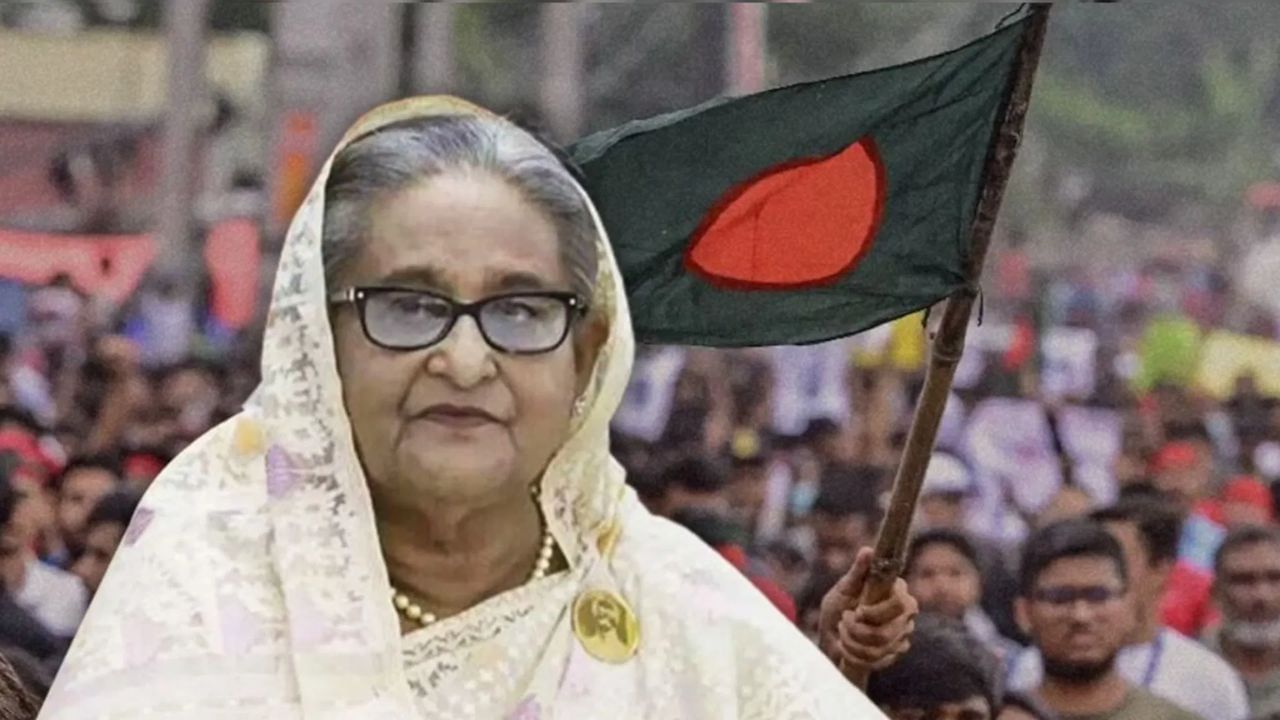
New Delhi/Dhaka. Discussions have intensified regarding the possible return of former Prime Minister Sheikh Hasina in Bangladesh politics. There is hope among Awami League leaders and supporters of his return to his home country. Meanwhile, there is also speculation about their possible return through the Petrapole-Benapole route of the India-Bangladesh border. However, there has been no official confirmation of his return through this route or the special recce conducted by the intelligence agencies.
Sheikh Hasina is living in India after ousting from power in August 2024. The issue of ban on political activities of Awami League in Bangladesh and the return of many party leaders after they left the country has been in constant discussion. According to recent reports, the party has announced Hasina's return in December, but even her supporters are not clear about its strategy and practical form.
Why is Petrapole-Benapole border in discussion?
The border route between Petrapole in North 24 Parganas district of West Bengal and Benapole of Bangladesh is one of the major land connectivity routes between the two countries. For this reason, the name of this route is coming up regarding the possible return of Sheikh Hasina.
However, mere choice of route to cross the border will not suffice. Their security, the current legal situation and political circumstances in Bangladesh will also be important. He may have to face legal action in Bangladesh. In such a situation, there is uncertainty regarding any return plan.
Awami League leaders and supporters gathered in Kolkata
After Sheikh Hasina's removal from power, many senior Awami League leaders had reached India. A large number of these leaders are living in Kolkata. Party supporters are still hopeful of a political comeback under his leadership.
According to a report by Bangladeshi media Prothom Alo, many party leaders are not aware of a clear plan to implement Sheikh Hasina's withdrawal announcement. The report also states that the party is preparing to further increase its activism through processions, submitting memorandums and protest programs.
Many challenges before Tariq Rahman government
BNP government was formed in Bangladesh after the general elections of February 2026 and Tariq Rahman took oath as Prime Minister on 17 February. The new government faces the challenge of political stability, economic reforms and fulfilling the promises made during the elections.
Protests regarding the wages of workers in the garment and textile industries also remain a challenge for the government. In recent days, thousands of workers demonstrated demanding better wages. There were clashes with the police at many places and factories had to be closed. This industry is the main basis of Bangladesh's exports and employment.
Uneasiness among students regarding reforms
Students played an important role in the 2024 movement against the Sheikh Hasina government. After this movement there was a change of political power in the country. Many youth associated with the movement later organized with the National Citizen Party (NCP).
However, even after the change of power, questions are being raised about the pace of implementation of the July Charter and institutional reforms. There is a demand among students and youth organizations to fulfill the expectations from the government.
Keeping an eye on the security and law and order of minorities
After the political change in Bangladesh, the issue of security and law and order of minorities also remains important. There have been incidents of political violence, factional conflicts and labor movements at the local level. In such a situation, the main concern of common citizens is about peace, security and economic stability.
Amidst the discussions regarding the possible return of Sheikh Hasina, now all eyes are on the stance of the Bangladesh government, the future strategy of the Awami League and India-Bangladesh diplomatic relations. At present, no official date or confirmed schedule of their return from the Petrapole-Benapole border has been revealed.