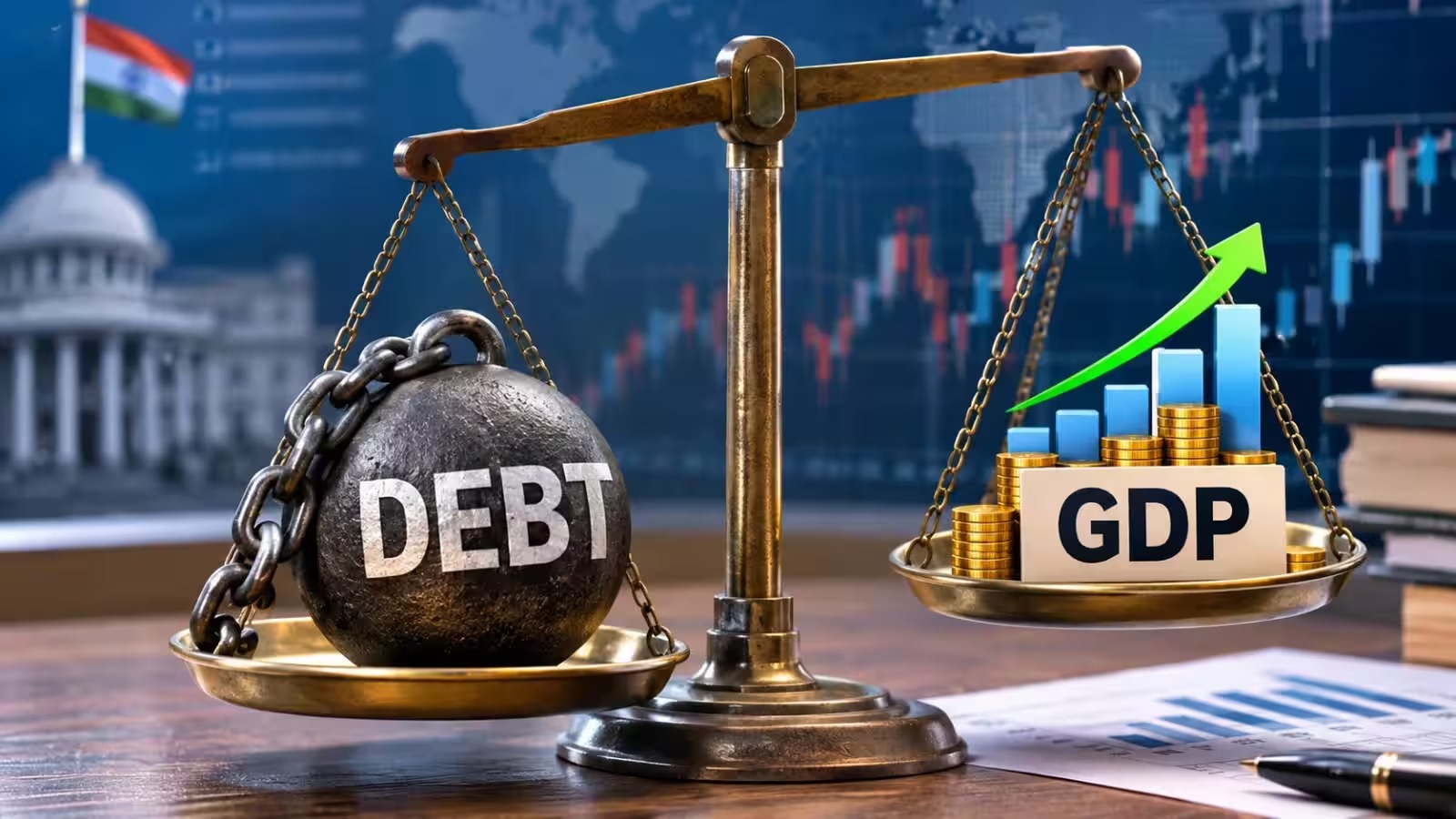
A very shocking and serious report has emerged from the global economy and international financial market. Latest data from the International Monetary Fund (IMF) and the global financial database has been released regarding the economic condition of the G7 (Group of Seven), an organization of the world’s seven most developed and powerful countries. According to these figures, six out of seven countries included in the G7 group are burdened with a huge debt burden more than their total annual GDP (Gross Domestic Product). Among these top economies of the world, there is only one country whose financial situation is under control and it is out of the scope of this dangerous debt. This shadow of debt looming over the countries called superpowers is being considered a big sign of global recession and economic instability in the coming times.
If we look closely at the data released, it becomes clear to what extent the world’s major economies are trapped in the debt trap. Asian economic power Japan tops this list, which has a huge debt of more than 222 percent of its GDP. Although economic experts believe that most of Japan’s debt is held by its own citizens and domestic institutions, this ratio is still very large compared to GDP. After Japan, the European country Italy comes next, where the debt figure has reached about 139 percent of the GDP. The world’s largest economy i.e. the United States of America is also not behind in this list and its debt has been recorded at about 127 percent of its GDP. Apart from this, there are developed countries like France (119%), Canada (117%) and United Kingdom (104%) which are burdened with debt more than their total annual economy.
Among the seven powerful G7 countries, Germany is the only country whose financial discipline and economic policies are setting an example. Germany’s debt-to-GDP ratio is around 67 percent, which is considered very close and within the safe range of international standards and the rules set by the European Union. This continuously increasing public debt in the remaining six countries has increased the concern of global economists. In the last few years, there has been huge pressure on the government exchequer of these countries due to the bailout packages given to deal with the Corona epidemic, continuously increasing defense budget at the global level, energy crisis and high interest rates. Governments are having to pay huge interest to repay their old loans and take new loans, due to which there is a shortage of funds for development works.
Experts on economic matters say that if this graph of debt in developed countries continues to increase at this pace, then financial stability in the global market may waver in future. When countries borrow more than their annual earnings, they have little scope to provide relief packages or manage the situation during a recession or any major economic shock. Due to continuously increasing inflation and strict policies of central banks in America and European countries, fiscal deficit is continuously deepening. In the coming days, if these major economies do not rein in their spending and improve debt management, it will impact not only the western countries but also the emerging economies of the entire world.