
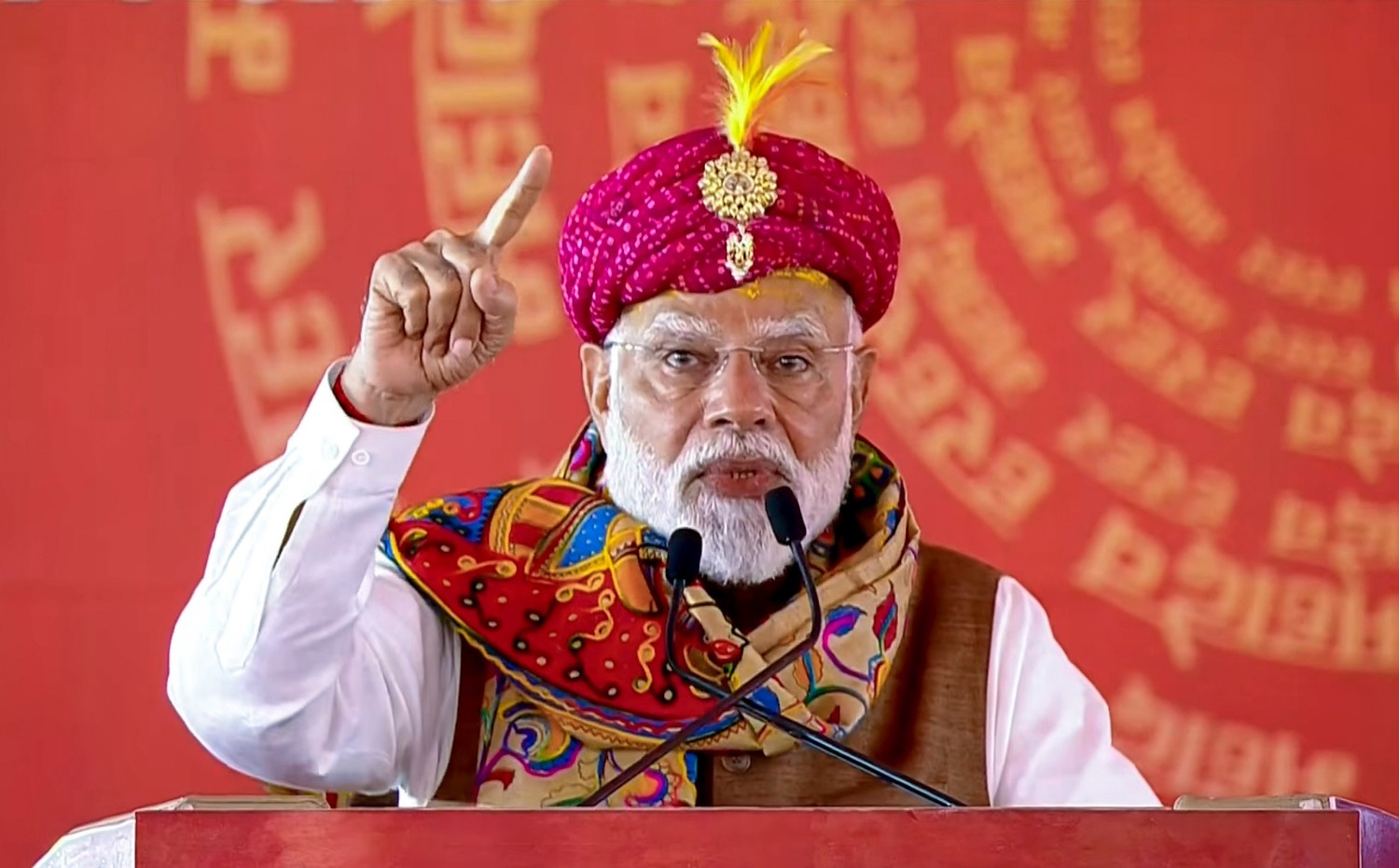

Assembly elections in four states and one Union Territory have concluded, and soon after, Prime Minister Narendra Modi appealed to citizens to cut down on petrol and diesel consumption, avoid buying gold for a year, refrain from foreign travel, work from home and use carpooling to help save foreign exchange.
The Prime Minister said India lacks large oil reserves and depends heavily on imports for petrol and diesel. With global tensions pushing up fuel and fertiliser prices, he said the government had been trying to shield citizens from the crisis by bearing the burden itself.
Opposition attacks Modi
But the appeal has triggered sharp criticism from the Opposition and industry voices, who argue that ordinary citizens are repeatedly being asked to sacrifice while government spending remains untouched.
Also read: Iran effect | Polls done, PM seeks Covid-era measures from people: WFH, don’t buy gold
Congress leader and Leader of Opposition in the Lok Sabha Rahul Gandhi accused the government of shifting responsibility onto the public to avoid accountability.
In a social media post, he said, “Modi ji yesterday asked the public to sacrifice — don’t buy gold, don’t travel abroad, use less petrol, reduce consumption of fertilisers and edible oil, use the metro, work from home. These are not suggestions; they are proof of failure.”
Rahul further said the country had been pushed into a situation where citizens were being told what to buy, where to travel and how to spend. “Every time, responsibility is shifted to the public so that accountability can be avoided,” he said.
RJD questions timing of PM’s remarks
RJD leader Manoj Jha also questioned the timing of the Prime Minister’s remarks. He said the government had spent thousands of crores during election campaigns while now advising people to cut personal expenses.
Also read: Why PM Modi urged Indians to avoid buying gold; experts decode
“When action was needed, the government was busy with elections. Expensive advertisements appeared in newspapers everywhere. Was that paid from personal money? It was public money,” Jha said.
He added that citizens had already made sacrifices during the Covid period and should not be expected to bear the burden repeatedly because of government failures.
Critics have also pointed to the Centre’s own spending patterns. During the recently concluded Budget Session, the government informed Parliament that Rs 5,987.46 crore had been spent on advertisements during the Modi government’s 11 years in office — an average of Rs 1.5 crore every day.
Past instances
Opposition leaders argue that if austerity measures are genuinely required, the government should begin by cutting its own expenditure, including publicity campaigns, foreign travel and administrative extravagance.
Former Prime Minister Manmohan Singh had adopted a similar approach during the 2008 global financial crisis and crude oil price surge. Instead of appealing to citizens for sacrifice, his government introduced expenditure cuts within ministries, restricted foreign travel and urged departments to avoid wasteful spending.
Similarly, during the 2009 drought crisis, then Congress president Sonia Gandhi announced austerity measures for party ministers, MPs and MLAs, including salary cuts, economy-class air travel and restrictions on staying in five-star hotels.
Prime Minister Modi’s appeal asking people not to buy gold has also raised concerns within the jewellery sector. Industry representatives warn that such messaging could hurt millions dependent on the gems and jewellery trade.
India Bullion and Jewellers Association Ltd (IBJA) spokesperson Kumar Jain said nearly three crore artisans and workers are linked to the industry. “If people stop buying gold, what happens to jewellers and artisans across the country? Weddings and traditional gifting are deeply connected to gold purchases in India,” he said.
Critics put onus on govt
Critics have also questioned why ordinary citizens are being discouraged from buying gold while the Reserve Bank of India (RBI) continues increasing its own gold reserves. The RBI has purchased more than 100 tonnes of gold for three consecutive financial years and now holds around 880 tonnes in reserves.
India is facing economic pressure amid rising tensions in West Asia, especially around Iran and the Strait of Hormuz, a crucial route for global oil supplies. Since India imports most of its crude oil, any escalation directly impacts fuel prices and inflation.
However, critics maintain that before asking citizens to tighten their belts, the government should first demonstrate restraint in its own spending and lead by example.
(This article was originally published in The Federal Desh)

Comments are closed.