When we think about application securitythe first thing that usually comes to mind is the application’s own code. Developers look for vulnerable functions, insecure authentication, weak passwords, and other problems that could give attackers access to an application.
But modern software is rarely made entirely from code written by one development team. A simple mobile app or website may depend on dozens or even hundreds of external libraries and packages. Developers might use an open-source framework for the interface, a package for processing payments, another library for authentication, and several tools to test and deploy the application. That makes development faster, but it also creates a chain of trust. If one component in that chain is compromised, the application using it can become vulnerable too. This is where software supply chain security becomes an important part of application security.
What Exactly Is the Software Supply Chain?
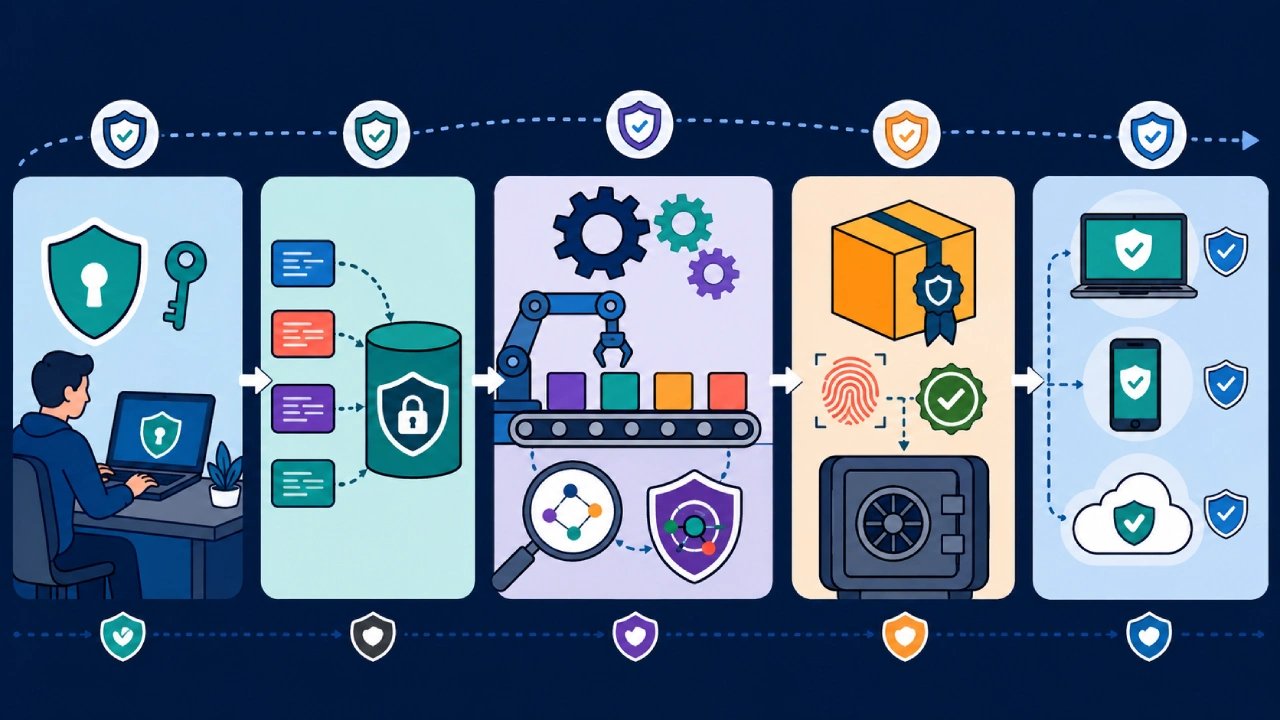
The software supply chain is basically everything involved in getting an application from an idea to software that users can actually run. It includes the source code developers write, third-party dependencies they use, package repositories, development tools, build systems, CI/CD pipelines, container images, and the final software packages delivered to users.
Think of it like ordering food from a restaurant. You may trust the restaurant, but the final meal also depends on where its ingredients came from, how they were stored, and who handled them before they reached your plate. If one ingredient is contaminated, the restaurant’s own cooking process cannot necessarily make the entire supply chain safe. Software works in a similar way. A developer can write secure code, but if a library used by that application has been compromised, the final product can still carry that risk.
Dependencies Can Become the Weakest Link
Dependencies are one of the biggest reasons software supply chain security matters. Instead of building every feature from scratch, developers use existing packages for common functions. This saves time and allows teams to build complex applications much faster. But every dependency introduces another component that needs to be trusted and maintained.
Imagine a developer uses an open-source package to handle authentication. It works perfectly for months. Then a vulnerability is discovered in that package. Suddenly, an application that was previously considered secure may have a new security problem- even though the development team has not changed its own authentication code. There is another risk too: malicious packages.
Attackers can attempt to publish packages with names similar to legitimate ones, compromise existing packages, or exploit poorly maintained projects. A developer who installs the wrong package may unknowingly introduce malicious code into the application. This is why teams need to know exactly which dependencies they are using and where those components come from.
Why Package Management Needs Attention
Installing a software package can sometimes be as simple as running one command. That convenience is useful for developers, but it can also make unsafe components enter a project without enough scrutiny. A safer approach is to establish trusted package sources and review new dependencies before adding them.
Teams can also use lock files and controlled versioning so that builds do not unexpectedly pull a completely different package version. Regular updates are equally important. However, updating everything blindly is not a good security strategy either. A new version can fix a vulnerability but also introduce compatibility issues or unexpected changes. Developers need to test updates before pushing them into production.
For example, if an application uses 50 external packages, the team should not wait until an attacker exploits one of them to discover that one package has not been updated for years. Dependency scanning can automatically flag known vulnerabilities and help developers identify which components need attention.
Build Systems Can Also Be Attacked
Securing the source code is only part of the problem. The systems that compile, package, and deliver the application also need protection. This includes source-code repositories, build servers and CI/CD pipelines. Imagine that developers carefully review every line of code before a release. If an attacker manages to compromise the build server afterward, they may still be able to modify the final software before it reaches customers. That makes the build environment an attractive target.
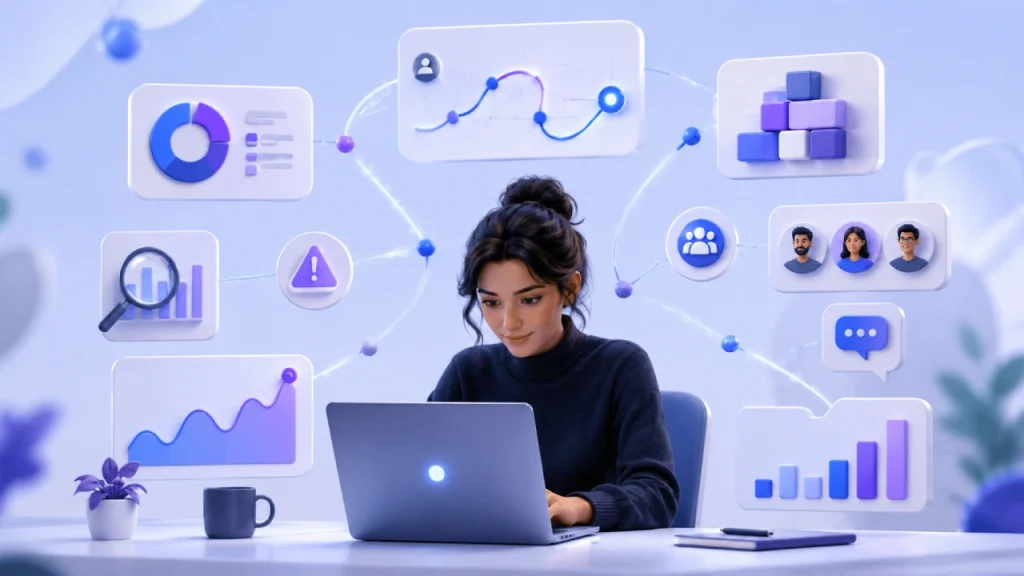
Development teams should protect CI/CD pipelines with strong authentication, restricted permissions, and secure handling of credentials. Automated systems should only have access to the resources they actually need. Critical changes to build configurations should also be reviewed rather than being silently accepted. This is particularly important because compromised build systems can create a dangerous situation: the source code may look perfectly normal while the software distributed to users has been altered.
How Do We Know the Software Is Genuine?
Trust is another major part of supply chain security. Before using a package or deploying a software artifact, teams need ways to determine whether it has been modified or replaced. This is where tools such as digital signatures, checksums, and software provenance information can help. They provide ways to verify that a component or artifact came from the expected source and has not been unexpectedly altered.
Another useful tool is a Software Bill of Materials (SBOM). An SBOM is essentially an ingredient list for software. It records the components and dependencies contained within an application. Why does that matter? Imagine a vulnerability is discovered in a popular open-source library used by thousands of applications. Without a clear record of dependencies, a company might spend days trying to determine whether its products are affected. With an accurate SBOM, the security team can quickly search its software inventory and identify which applications contain that library.
Containers and Third-Party Artifacts Need Security Checks Too
Modern applications increasingly use containers and pre-built software artifacts. These make deployment easier, but they also introduce another layer that needs to be checked. A container image can include an operating system, libraries, application dependencies, and configuration components. If one of those packages contains a known vulnerability, the problem can travel with the container into production. Teams should therefore scan container images and other build artifacts before deployment.
It also helps to avoid unnecessary components. If an application does not need a particular package, there is little reason to include it. Fewer components generally mean fewer things that need to be monitored and secured. The same principle applies to old artifacts. Keeping outdated images and packages around indefinitely can create unnecessary security risks.
Best Practices That Make Supply Chains Safer
There is no single tool that can completely secure a software supply chain. It requires several practices working together.
- Maintain a dependency inventory: Developers should know which libraries, packages, and external components are being used.
- Scan dependencies regularly: Automated scanning can identify known vulnerabilities and outdated components before they become larger problems.
- Use trusted package sources: Teams should establish which repositories and packages are acceptable and review unfamiliar components carefully.
- Control dependency versions: Lock files and version controls can prevent unexpected package changes from appearing in builds.
- Secure CI/CD pipelines: Build systems should use strong authentication, limited permissions, and protected credentials.
- Verify software integrity: Signatures, checksums, and provenance checks can help confirm that software has not been tampered with.
- Maintain an SBOM: A current software inventory makes it much easier to investigate newly discovered vulnerabilities.
- Scan containers and artifacts: Software should be checked before deployment, not only after it reaches production.
- Follow least privilege: Developers, services, and automated systems should receive only the permissions they actually require.
- Monitor continuously: A dependency that is safe today may become vulnerable tomorrow, so supply chain security cannot stop after release.

Conclusion
Software supply chain security is ultimately about understanding that an application is much bigger than the code developers write themselves. Every library, package, build tool, and deployment system becomes part of the application’s security story. A single compromised dependency or poorly protected build pipeline can undermine otherwise careful development work.
The goal is not to stop using third-party software. That would be unrealistic in modern development. Instead, teams need to know what they are using, verify where it comes from, monitor it over time, and control how it enters the application. When dependency management, build security, integrity checks, and continuous monitoring become part of everyday development, application security becomes stronger from the beginning rather than being treated as a final checkpoint before release.