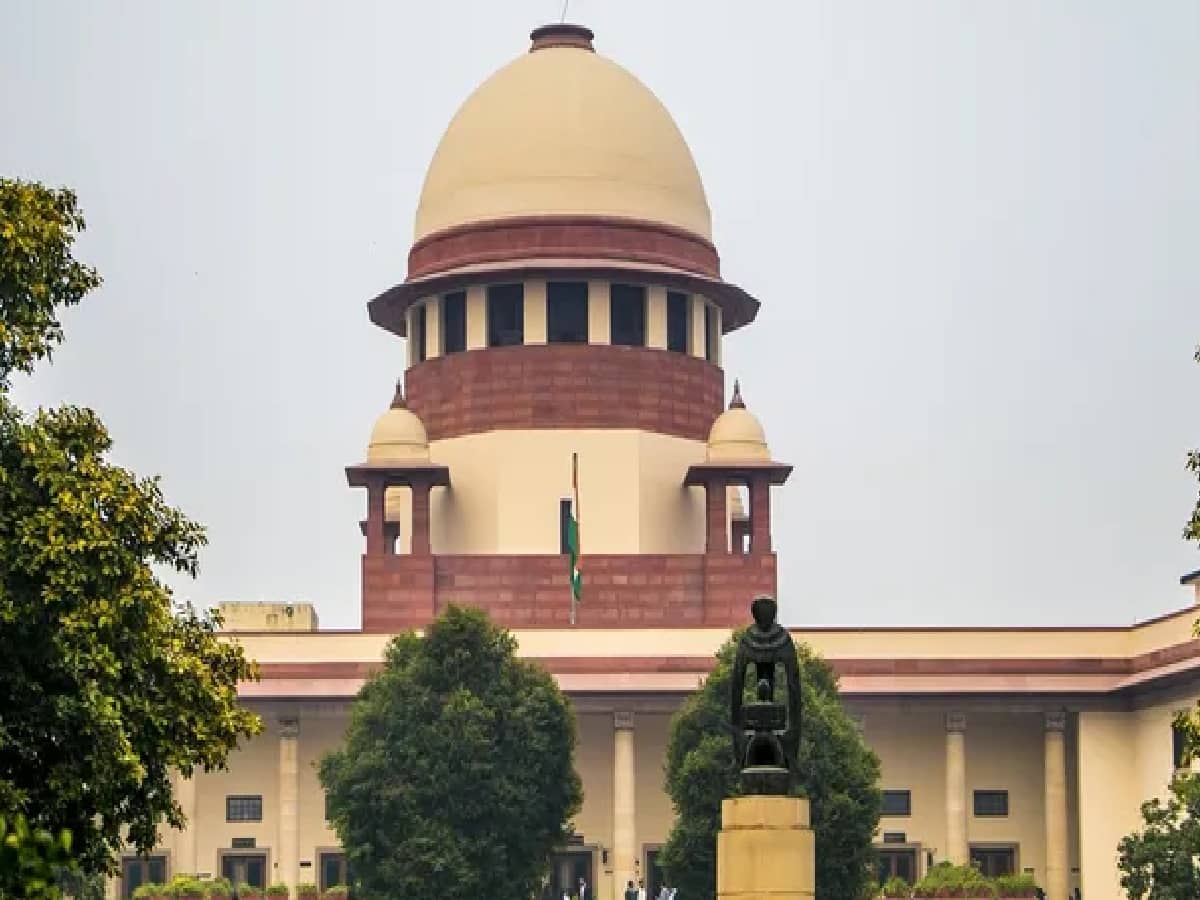
A very historic and far-reaching decision of the Supreme Court has emerged in the pages of Indian judicial system and constitutional history. The country's highest court has once again made it clear that the Constitution of India is the supreme law of the country and no special law, rule or statutory provision can be above it. An important bench of the Supreme Court has emphasized in its order that the right to 'Speedy Trial' is a fundamental right of every citizen, and if the provisions of any particular law come in the way of this fundamental right, then in such a situation the supremacy of the Constitution will be considered supreme. After this decision, a new and big turn has come in the judicial system of the country and the bail matters of undertrial prisoners under special laws. Let us know in detail which important legal points have been underlined by this bench of the Supreme Court in its decision. Constitution is above all other laws, in case of conflict between special laws and the Constitution, the Constitution will prevail Supreme Court Justice Ujjwal Bhuyan and Justice A.S. Chandurkar's bench gave a very clear and strong message during the hearing, saying that the Constitution of the country is above all general and special laws under any circumstances. It is often seen that arguments are made to keep the accused in jail for a long time by citing the provisions of strict and special laws like Narcotics Drugs and Psychotrophic Substances (NDPS) Act, Unlawful Activities (Prevention) Act (UAPA) and Prevention of Money Laundering Act (PMLA). The court bluntly said that if any rule or provision of these special laws creates a contradiction or conflict with the fundamental principles of the Constitution, then in such a situation only the provisions of the Constitution will prevail. The court also made it clear that the Constitution should never be interpreted on the basis of any particular law, but the validity and interpretation of every law should always be done on the basis of the Constitution itself. No statutory law can go beyond the scope of the Constitution and limit the fundamental rights of the citizens. Right to life and liberty under Article 21 is at the core of constitutional jurisprudence. In its decision, the Supreme Court specifically mentioned Article 21 of the Indian Constitution and said that the 'right to life and personal liberty' granted under it is not just an ordinary constitutional right, but it is the basic basis of our entire constitutional jurisprudence. The court remarked in a very strict tone that these fundamental rights cannot be tampered with lightly in any way, no matter how serious or special the case is, it may be registered under any special law. The bench also questioned and reviewed an earlier order of its own, wherein it had been held that in cases under special laws like NDPS, the accused has to be within the strict and stringent conditions of Section 37 of that law to avail the benefit of Article 21, and the provisions of Section 37 cannot be overridden merely on the ground of inordinate delay in the trial. This new bench of the Supreme Court made it clear that unnecessary delay in justice violates the fundamental right to life and liberty of any citizen, which cannot be ignored for long. Right to speedy trial can become the basis for bail, questions raised on delay in trial. In recent times, different views and differences of opinions have been coming to the fore between different benches of the Supreme Court on the issue of long delay in court trial and granting of bail on the basis of cases registered under stringent laws like PMLA, NDPS and UAPA. Some court benches had taken the stand that the right to speedy trial under special laws cannot automatically become a ground for bail, while on the contrary, some other benches had held that prolonged detention in jail and no trial is a direct violation of fundamental rights. Due to this ideological difference and legal debate, this very important and sensitive legal issue has now been sent to a larger bench for consideration. This stand of the Supreme Court is a clear indication that the Supreme Court of the country is very serious about the individual rights of the citizens and the endless delays in getting justice. In the future, this decision of the larger bench can pave the way for a big relief for thousands of undertrial prisoners who are forced to spend years behind bars without any quick decision.