
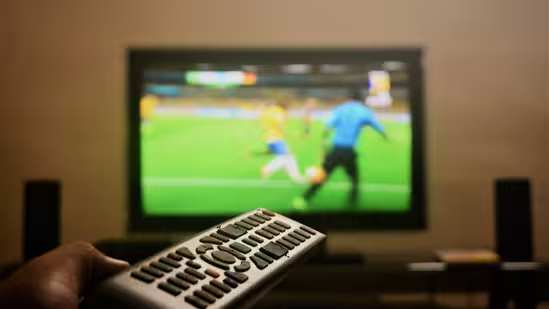

The excitement of the 2026 FIFA World Cup has football fans around the world staying up late to cheer for their favorite teams. While watching an occasional late-night match may not seem harmful, repeatedly sacrificing sleep over several weeks can have a noticeable impact on both physical and mental health.
Sleep plays a vital role in helping the body recover, repair tissues, regulate hormones, and maintain brain function. Most adults require between seven and nine hours of quality sleep each night to stay healthy and perform at their best.
What Happens When You Don’t Get Enough Sleep?
Missing sleep for several nights can lead to:
- Daytime fatigue and low energy
- Poor concentration and reduced productivity
- Irritability and mood changes
- Slower reaction times
- Difficulty making decisions
If sleep deprivation continues over a longer period, it may increase the risk of several chronic health conditions.
Long-Term Health Risks
Health experts warn that prolonged lack of sleep may contribute to:
- Increased stress hormone levels
- High blood pressure
- A weakened immune system
- Weight gain and obesity
- Type 2 diabetes
- Heart and cardiovascular diseases
These risks become greater when poor sleep continues for weeks or months without adequate recovery.
Match-Day Habits That Can Make Things Worse
Late-night football matches are often accompanied by habits that further disrupt healthy sleep, including:
- Drinking excessive amounts of coffee or energy drinks
- Eating high-calorie snacks late at night
- Spending extended periods in front of bright screens
Consuming caffeine late in the evening can make it even more difficult to fall asleep after the match, further disturbing the body’s natural sleep cycle.
Tips to Enjoy the World Cup Without Sacrificing Your Health
You don’t have to miss the excitement of the tournament to protect your health. A few simple habits can help reduce the impact of late-night viewing:
- Limit caffeine intake during the evening.
- Stay well hydrated throughout the day.
- Take short naps if you lose sleep at night.
- Prioritize getting adequate sleep on days when there are no matches.
- Eat light, balanced meals instead of heavy late-night snacks.
The Bottom Line
The FIFA World Cup is one of the biggest sporting events in the world, and it’s natural for fans to stay up for important matches. However, consistently missing sleep can affect your mood, concentration, immunity, and long-term health. Enjoy the tournament, but try to maintain a healthy sleep routine whenever possible so that your passion for football doesn’t come at the cost of your well-being.
Disclaimer: This article is for informational purposes only and should not be considered medical advice. If you experience persistent sleep problems or related health concerns, consult a qualified healthcare professional.

Comments are closed.