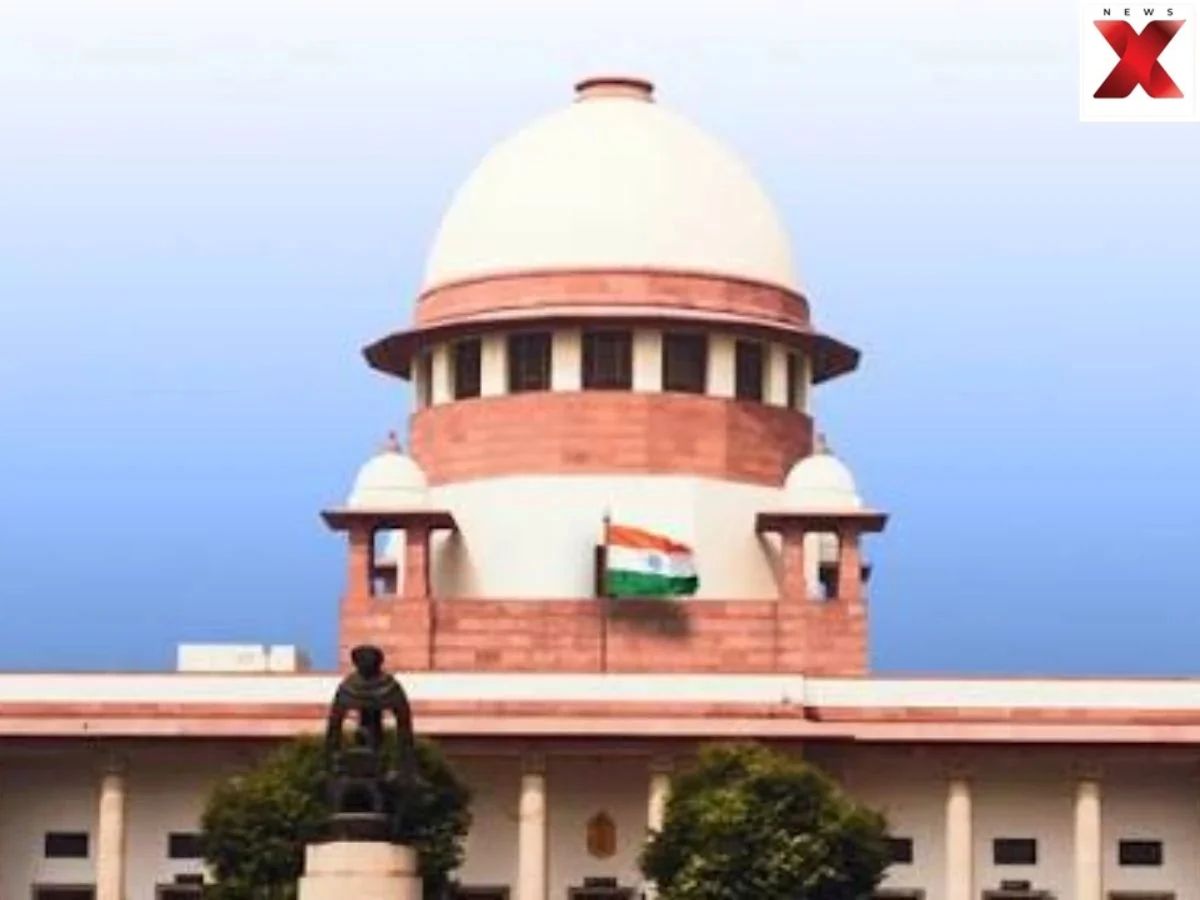
The Supreme Court has asked the Centre to respond to a plea seeking legislation to regulate marriages between close blood relatives, commonly known as consanguineous marriages. On Friday, the top court sought the government’s response on the desirability of introducing a law on the issue, observing that bringing social reform legislation falls within the domain of the legislature. The court also stressed the need for public awareness, noting that marriage is a matter of personal choice and individuals should be able to make informed decisions.
Law Student Raises Concerns Over Genetic Risks
The court was hearing a petition filed by Charvi S, a Bengaluru-based law student, who questioned whether the law should continue to permit marriages between close relatives despite potential genetic risks to children. Filed through advocate Anjuman Tripathy, the plea cited medical studies suggesting that consanguineous marriages increase homozygosity, potentially raising the risk of recessive genetic conditions. These may include congenital abnormalities, sensory impairments, developmental disabilities and infant deaths. The petitioner also highlighted her personal experience, stating that she has a 40 per cent visual impairment and was born to parents who were first cousins. Their marriage, according to the plea, was conducted in accordance with a long-standing traditional practice in their community.
Plea Seeks Changes Under Hindu Marriage Act
The petition raised questions about Section 5 of the Hindu Marriage Act, which lays down conditions for a valid Hindu marriage. It urged the court to examine whether existing legal provisions adequately address the potential health risks associated with marriages between close blood relatives. The petitioner argued that customary practices should not prevent consideration of foreseeable and avoidable genetic health concerns.
Demand for Genetic Counselling and Screening
Apart from seeking legislative consideration, the plea requested interim guidelines making premarital genetic counselling and voluntary genetic screening available in districts and regions where consanguineous marriages are prevalent. The proposed measures aim to help prospective couples understand potential genetic risks before marriage and make informed choices. The Supreme Court observed that the concerns raised require greater public awareness. The Centre’s response is now awaited as the matter brings questions of personal choice, religious and community customs, public health and legislative reform into focus.
Also Read: Watch Video: Leopard Enters Uttarakhand House At Midnight, Walks Into Kitchen Looking For Food – What Happened Next?
Shamshad Ali is a New Delhi–based journalist with over six years of experience spanning breaking news writing, on-the-ground reporting, and editing. When he isn’t chasing headlines, Shamshad is usually exploring new destinations, discovering hidden culinary gems, and striking up conversations with strangers. Many of whom turn out to be great sources, and even better friends. He can be reached at shamshadali.dar@gmail.com.
The post Supreme Court Asks Centre to Consider Law Against Marriages Between Blood Relatives, Cites Risk of Genetic Disorders in Children; What Is the Concern? appeared first on NewsX.