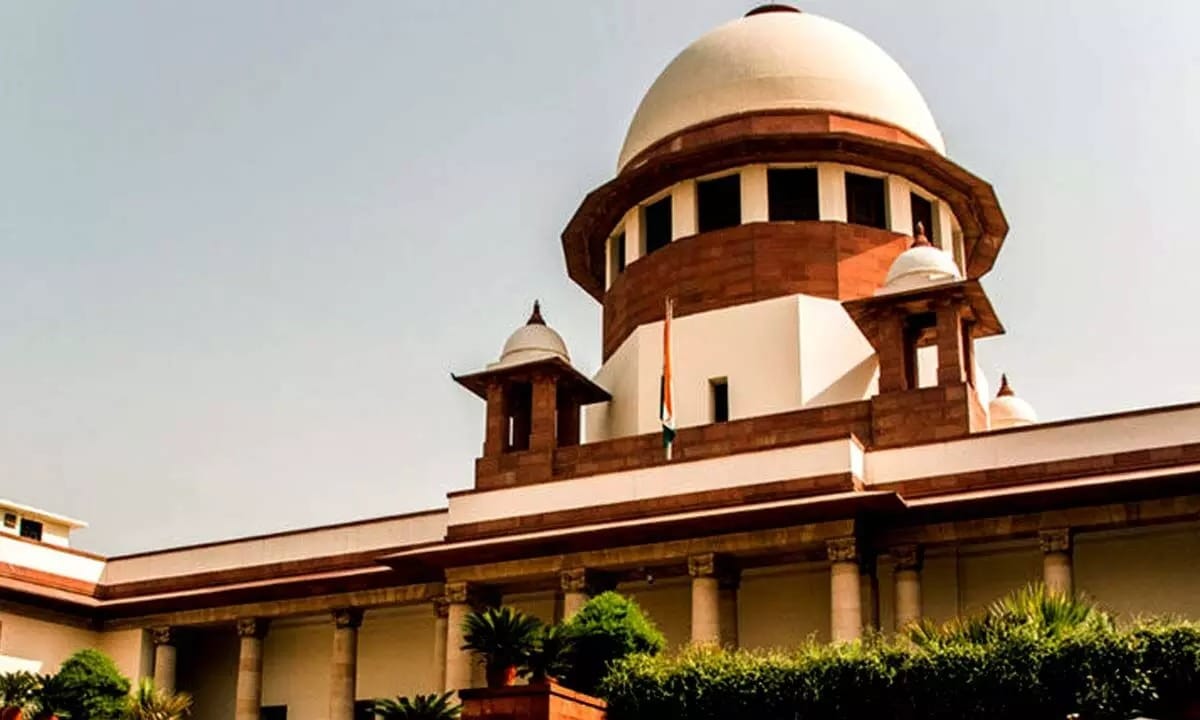
The Supreme Court of India on Wednesday, November 18, 2026, directed the Indian Army and local police authorities to trace the legal heirs of a World War II veteran after discovering that he had passed away in January 2019—nearly two years before a petition was filed in his name seeking a war injury pension.
Issuing notice on a review petition moved by the Centre and the Chief of the Army Staff, a bench comprising Chief Justice of India (CJI) Surya Kant and Justice S.V.N. Bhatti stated that the court must examine whether judicial proceedings were compromised by fraud—while questioning why Army authorities failed to verify the claimant’s status earlier.
How the Discrepancy Surfaced During Pension Disbursal
-
- Petition Filed 20 Months After Veteran’s Death: According to the Centre’s review petition, ex-rifleman Govind Singh Rawat—who enrolled in the Royal Garhwal Rifles in September 1941, sustained battle injuries in Italy during World War II, and was invalidated out of service on April 6, 1947—died on January 17, 2019. However, an application challenging the rejection of his war injury pension claim was filed before the Lucknow bench of the Armed Forces Tribunal (AFT) on September 9, 2020, leading to a June 4, 2021 tribunal order granting pension arrears.
- Bank Details Linked to Unrelated Former Officer: Appearing for the Centre, Additional Solicitor General Archana Pathak Dave informed the bench that the death certificate came to light only when the Army sought bank details and cancelled cheques to disburse the pension following the Supreme Court’s October 17, 2023 dismissal of the Centre’s delayed appeal. Army records revealed that the AFT petition had been pursued by Subedar Major and Honorary Captain Gamal Singh Rawat, who is unrelated to the deceased veteran yet submitted his own bank account details to receive the benefits.
“If fraud has been played on court, we have to detect it.”
— Supreme Court Bench of CJI Surya Kant and Justice S.V.N. Bhatti
Police & Army Directed to Submit Verification Report
Questioning why military authorities did not verify the petitioner’s existence at the tribunal stage—remarking “His advocate was present, not he”—the bench directed the concerned Senior Superintendent of Police (SSP) and Station House Officer (SHO) to extend full assistance to Army officials in identifying Govind Singh Rawat’s rightful legal heirs and submitting a detailed compliance report at the next hearing.