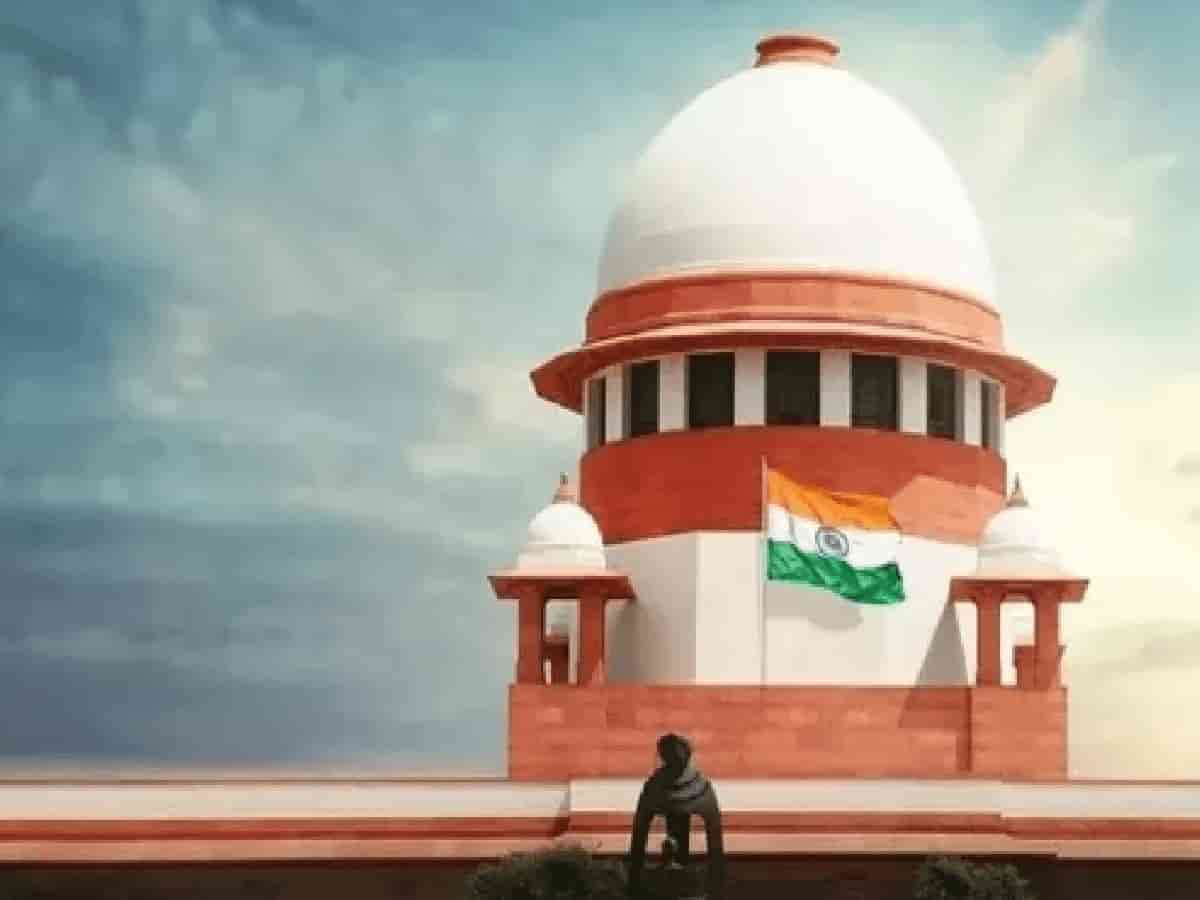
As the national capital braces for a fresh wave of political demonstrations, legal battles over public assemblies in high-security zones have intensified. A public interest petition has been officially filed in the Supreme Court seeking an immediate stay and strict restrictions on unauthorized public gatherings, marches, and processions within Lutyens’ Delhi. The legal intervention comes directly in the shadow of an announced protest march by the Cockroach Janata Party (CJP) slated for September 5, while simultaneously raising critical national security concerns regarding the upcoming high-profile BRICS Summit.
CJP’s Proposed September 5 March and the Underlying Grievances
The political friction centers around the CJP’s call for a mass protest march through central Delhi. The party has accused the central government of failing to honor assurances given on July 25, which had previously persuaded the organizers to call off a grueling 36-day agitation.
According to the organizers, the upcoming march—scheduled for Teachers’ Day—will be spearheaded by the grieving families of students who tragically died by suicide following NEET cancellation controversies and subsequent re-examination delays, alongside victims of alleged police brutality during earlier July protests. Although the CJP announced extensive mobilization from India Gate toward the Delhi Police Headquarters, local law enforcement authorities previously confirmed that no formal application or permission for the march had been submitted.
Retired Police Officer Moves Supreme Court Seeking Strict Security Controls
To preempt potential law and order disruptions, retired Delhi Police officer Rajendra Singh has filed a formal writ petition in the apex court. The plea urgently demands that no public call for mass assembly, organized demonstration, or protest march be permitted in hyper-sensitive constitutional zones such as India Gate, the Central Vista, and surrounding avenues unless organizers secure prior, mandatory police clearance and statutory approval.
Furthermore, the petition highlights the monumental logistical and security challenges posed by international diplomatic engagements. It strongly appeals to the judiciary to direct authorities to control, postpone, or appropriately modify any proposed public gatherings within Lutyens’ Delhi until the conclusion of the prestigious BRICS Summit, scheduled for September 12–13. As the legal scrutiny unfolds, all eyes remain focused on how the judiciary and law enforcement will balance citizens’ democratic rights to protest with paramount national security and diplomatic protocols.