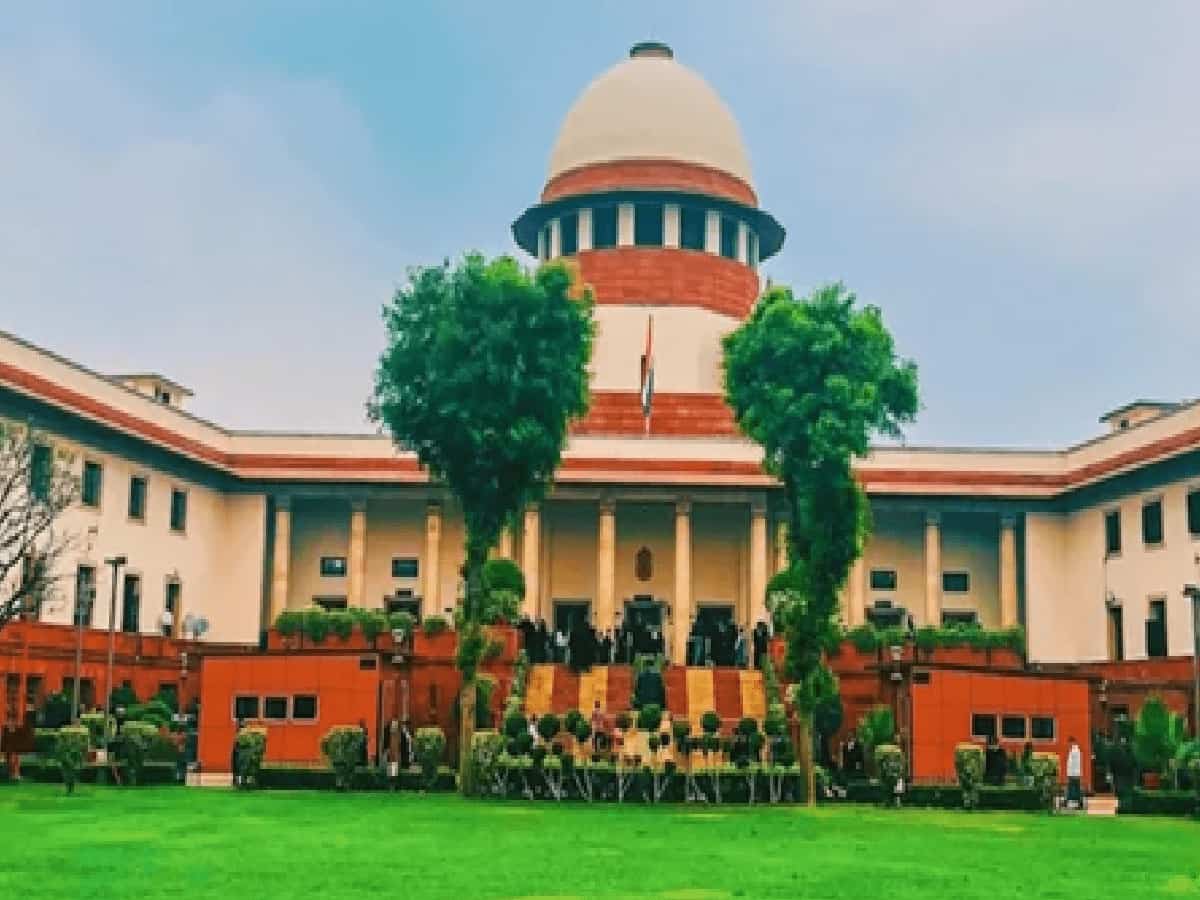
In a major relief for young law graduates and aspirants preparing for judicial services, the Supreme Court has modified its earlier May 2025 decision regarding the eligibility criteria for lower court judge examinations. A bench comprising Chief Justice Surya Kant, Justice A.G. Masih, and Justice K. Vinod Chandran, by a 2-1 majority, dismissed the review petitions while introducing significant structural relaxations.
Key Changes Following the Supreme Court Ruling
Under the revised framework, candidates will now require only one year of mandatory legal practice to appear for entry-level judicial service examinations, down from the previously mandated three-year period.
Furthermore, the court announced special interim provisions for upcoming notifications:
Exemption Period: The requirement of legal practice will not be mandatory for judicial examinations notified between May 25, 2025, and March 31, 2027, allowing fresh graduates to appear during this transition window.
Training Period: Candidates selected without prior practice experience will not be appointed as judges directly; instead, they will complete a one-year term as a trainee judicial officer accompanied by a structured one-year clerkship.
Full Implementation: The revised rule requiring one year of practice will become fully applicable to all examinations officially notified on or after April 1, 2027.
Why Did the Court Review Its Decision
In May 2025, the apex court had barred fresh law graduates from directly taking judicial exams by enforcing a strict three-year practice rule. However, acknowledging the massive difficulties and sudden hurdles faced by young legal professionals due to the lack of a transition period, the court agreed to review the guidelines. While reaffirming the importance of practical legal exposure for judicial officers, the bench noted that rule changes should not disproportionately inconvenience aspirants or disrupt career pathways abruptly.