Legal battles surrounding high-profile public agitations frequently land before the country’s highest judicial body, where critical questions regarding public order, administrative promises, and individual accountability are intensely debated. High-stakes disputes require delicate judicial balancing between maintaining civic peace and ensuring thorough investigations into unlawful conduct during mass demonstrations.
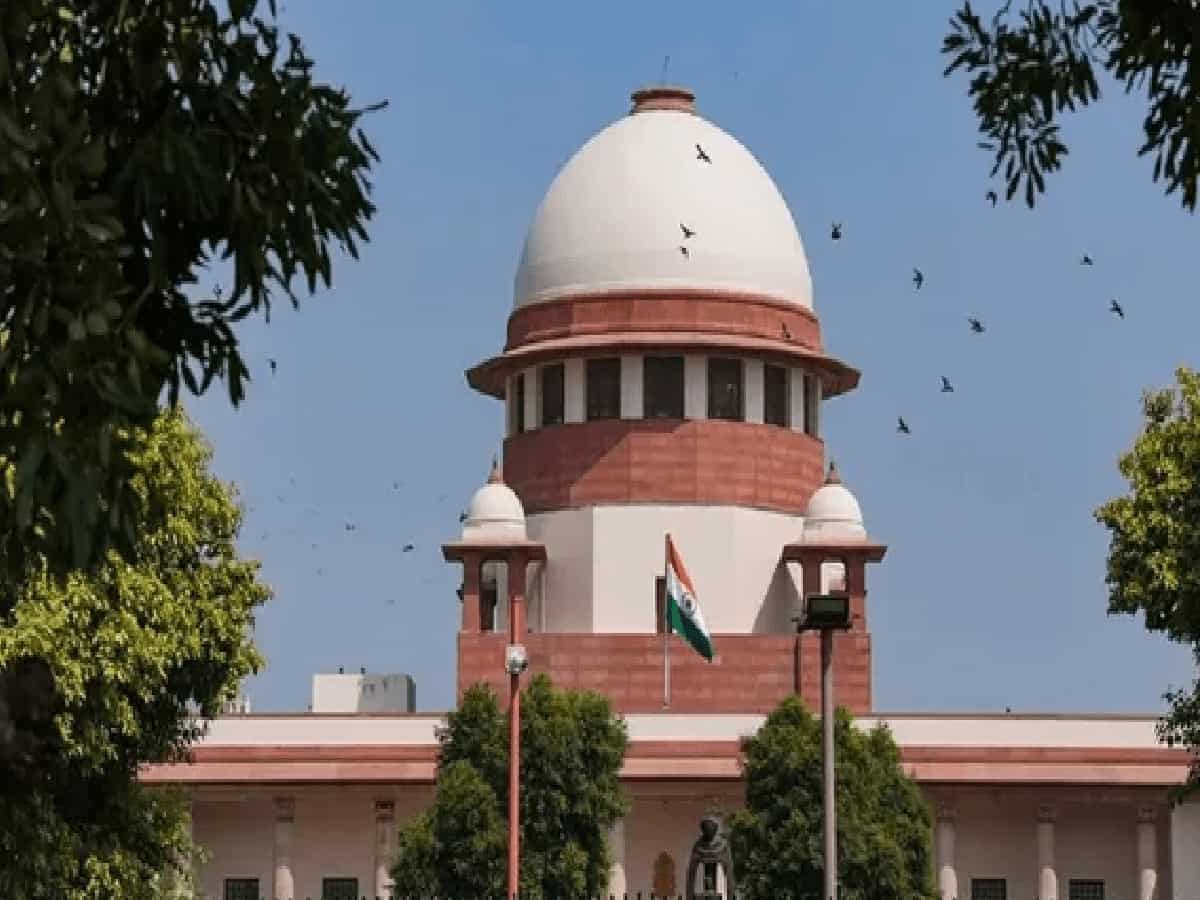
The Supreme Court of India is set to hear a crucial petition brought forward by law enforcement authorities concerning ongoing legal proceedings tied to nationwide student agitations. The outcome of these judicial deliberations could significantly impact public demonstrations and ongoing legal accountability across the national capital.
Supreme Court Agrees to Urgent Hearing on Delhi Police Plea
The Supreme Court on Tuesday formally agreed to hear a comprehensive plea filed by the Delhi Police, which seeks two primary legal actions: the quashing of 13 specific First Information Reports (FIRs) lodged against students involved in protests over NEET examination irregularities, and formal judicial permission to register fresh cases against nearly 2,873 individuals. Law enforcement aims to investigate the specific roles played by these individuals who were present during the peak of the agitation and suspected of involvement in subsequent violent clashes.
A specialized bench comprising Chief Justice Surya Kant, Justice Joymalya Bagchi, and Justice V Mohana took immediate cognizance of the matter following submissions made by Solicitor General Tushar Mehta. Requesting an urgent listing, Mehta informed the bench that the authorities intended to file an interim application invoking extraordinary constitutional powers under Article 142 of the Constitution to resolve the tangled legal framework surrounding the protests.
Investigating Criminal Records and Central Government Decisions
According to the petition submitted by the authorities, the Delhi Police—acting in alignment with a decision taken by the Central Government on July 25—does not wish to pursue aggressive legal action on the 13 initial FIRs registered during the peak of the demonstrations organized by the Cockroach Janata Party (CJP). However, official database cross-checks utilizing the National Crime Records Bureau (NCRB) records revealed a startling detail: approximately 2,873 people with serious criminal backgrounds or prior records were allegedly tracked at the protest sites.
Law enforcement agencies argue that investigating the specific actions and potential instigation roles of these individuals is an absolute necessity to prevent future law-and-order disruptions. Meanwhile, the apex court observed that if the involved parties are moving toward an amicable settlement or mutually agreeable resolution, the judiciary holds no objections to reviewing such frameworks during the proceedings.
CJP Announces Upcoming Protest March in New Delhi
This pivotal legal development arrives amid escalating political and social tensions, as the Cockroach Janata Party (CJP) has announced plans for a fresh protest march in New Delhi. Organizers allege that the Central Government has failed to honor key commitments made on July 25, an agreement that had previously led the party to call off its grueling 36-day agitation against widespread examination irregularities.
According to CJP representatives, the upcoming demonstration is scheduled to coincide with Teachers’ Day. The march will be spearheaded by grieving families of students who tragically died by suicide following examination cancellations and subsequent re-examination controversies. Furthermore, relatives of students who allegedly faced police brutality during the July protests are expected to join the demonstrations in large numbers, setting the stage for renewed administrative and judicial scrutiny.