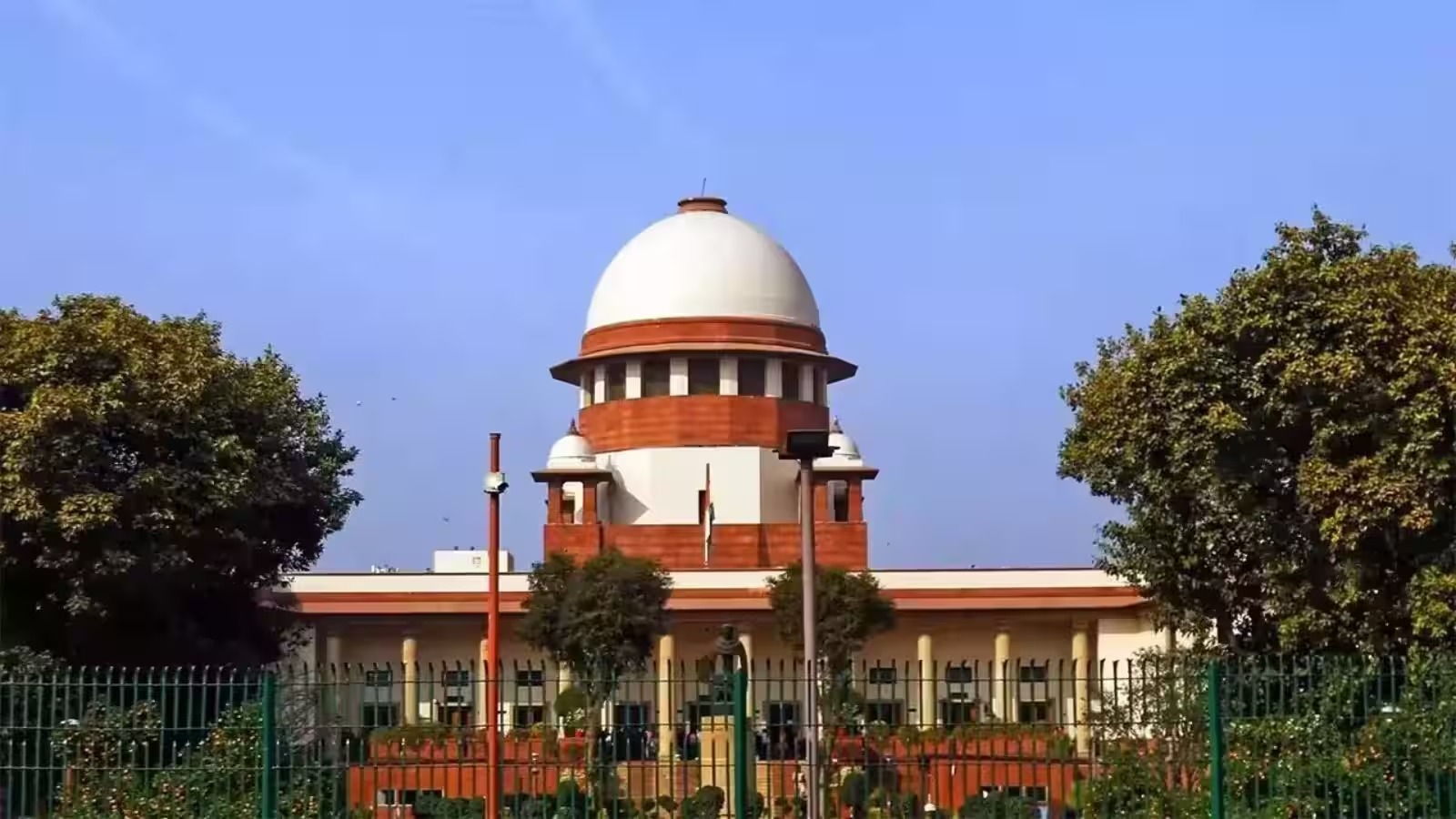
The country's highest court i.e. the Supreme Court has given a very important and clear decision regarding the Indian justice system and legal rights to property. The court has made it clear in its decision that no grandson or granddaughter has any kind of birthright on the self-acquired or ancestral property of his grandfather. It has often been a common belief or family belief in the country that every succeeding generation of the family has a direct and legal right on the ancestral property, but this latest interpretation of the Supreme Court has made this belief completely clear legally. This decision of the court has set a new legal benchmark in property disputes and family litigations across the country. What does the section of law say and the definition of self-acquired property vs ancestral property? According to legal experts and family matters lawyers, property under the Hindu Succession Act and Indian property laws is mainly divided into two categories—self-acquired property and ancestral property. If a grandfather or ancestor has purchased property with his own hard work, earnings or resources, then it is called his self-acquired property. In such cases, the owner has full legal right to give his property to whomever he wants, sell it or transfer it to any other person through a Will. The Supreme Court has reiterated in its judgment that as long as the property is self-acquired, grandchildren or other heirs cannot claim their birthright over it. Laws of Ancestral Property and Legal Scope of Four Generation Inheritance On the other hand, ancestral property is that which one inherits from one's father, grandfather or great-grandfather and which is passed on for at least four generations. In such properties, the descendants of the family are considered to have legal rights by birth, but when it comes to the property acquired from the personal earnings of the grandfather, the situation is completely different. The Supreme Court has clarified that if the grandfather has bequeathed his property to a particular person through a will or has transferred it to someone else during his lifetime, then the grandson or granddaughter cannot challenge that will merely on the ground that they are descendants of the family. This decision has made it clear that legal documents and rules of property ownership prevail over family relationships and emotional claims. This decision will have a deep impact on the general public and property disputes. After this decision of the court, it is expected to be of great help in the settlement of thousands of property disputes and family cases pending in the lower courts across the country. It is often seen that after the death of the elderly, family members or grandchildren file cases in the courts claiming their rights over the grandfather's property, which not only spoils the family harmony but also wastes a lot of time in the legal process. This clear decision of the Supreme Court makes the property owners aware of their rights and gives the message that the law judges on the basis of documents, will and type of property and not only on family closeness or public behavior.