
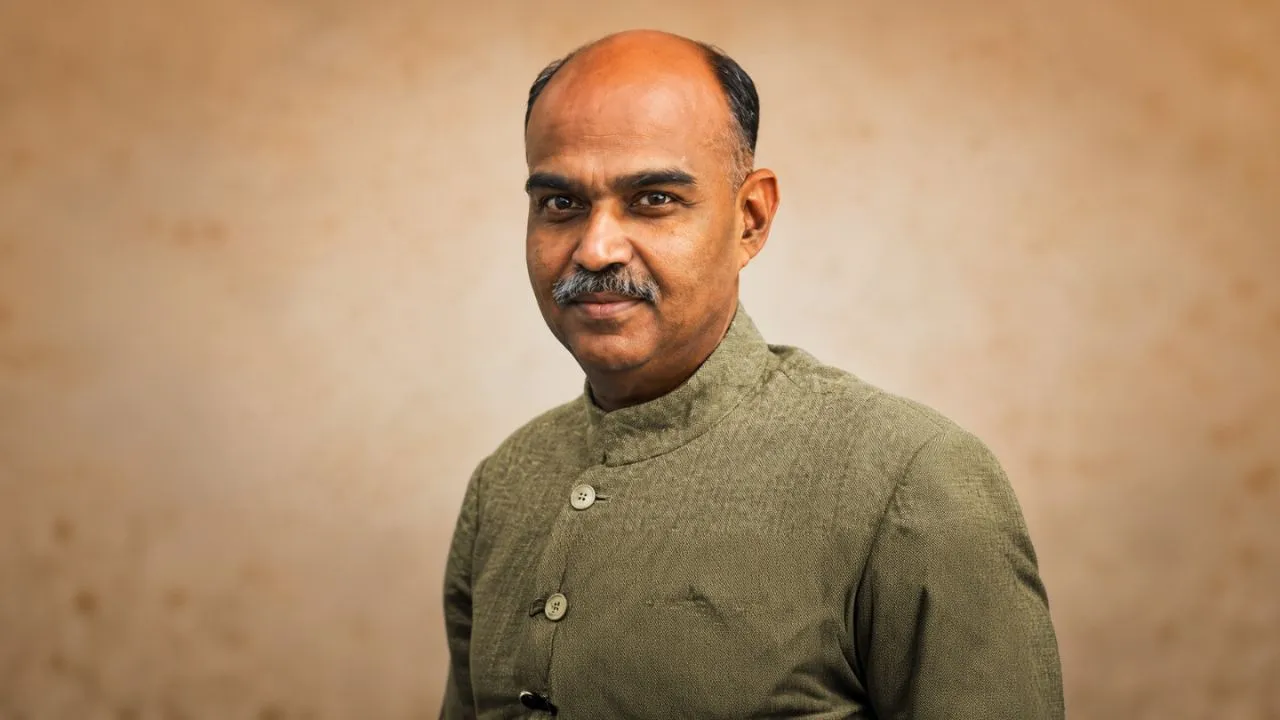
Dr. Shyama Prasad Mukherjee: ‘Two marks, two heads’ The voice raised against, which changed the politics of the country

Syama Prasad Mookerjee Death Anniversary: ‘Either I will get you the Indian Constitution or I will sacrifice my life to achieve this goal.’ When Dr. Shyama Prasad Mukherjee reiterated this resolution in a huge public meeting held in Jammu and Kashmir in the year 1952, perhaps no one thought that it would prove to be not just a political declaration but the last vow of his life. Dr. Shyama Prasad Mukherjee is counted among those leaders of Indian politics, who made the issue of unity and integrity of the country the center of his politics. Dr. Mukherjee, founder of Bharatiya Jana Sangh, had openly opposed the special status given to Jammu and Kashmir, separate constitution and permit system.
His famous slogan “Ek Desh Mein Do Vidhan, Do Pradhan and Do Nishan Nahi Chalenge” Even today it resonates in Indian politics. He died under mysterious circumstances while in custody in Jammu and Kashmir on 23 June 1953, which shocked the entire nation. His contribution in the fields of education, politics and nation building is still remembered. From becoming the youngest Vice-Chancellor of Calcutta University to becoming the first Industry Minister of independent India and the founder of the Jana Sangh, his life is considered an important chapter in the history of Indian politics.
Born in Kolkata
Let us tell you that Dr. Shyama Prasad Mukherjee, born on 6 July 1901 in Calcutta (now Kolkata), came from a family where education and national service were the basis of life. His father Sir Ashutosh Mukherjee was a famous educationist and intellectual of Bengal.
Became the youngest Vice Chancellor at the age of 33
After receiving higher education from Calcutta University, he became a member of the University Senate in 1923. After obtaining the degree of Barrister from Lincoln’s Inn, England, he also achieved success in the field of law. But, his most notable academic contribution came when, at the age of just 33, he became the Vice Chancellor of Calcutta University.
At that time he was counted among the youngest Vice Chancellors of the world. During his tenure, many important reforms took place in the university and remarkable work was done towards giving a modern approach to education.
Why did Nehru resign from the cabinet?
In fact, Dr. Mukherjee’s political career was equally impressive. From Bengal Legislative Council to the interim government, he held many important responsibilities. Pandit Jawaharlal Nehru, the first Prime Minister of independent India, made him the Minister of Industries and Supplies.
However, he resigned from the cabinet in 1950 in protest against the Nehru-Liaquat Pact. He believed that the government’s stance on the issue of national interests and the rights of refugees was not strong enough.
The journey of establishing Bharatiya Jana Sangh
Let us tell you that during this period, Dr. Mukherjee founded the Bharatiya Jana Sangh on 21 October 1951 after discussions with the then Sarsanghchalak of Rashtriya Swayamsevak Sangh, Madhav Sadashiv Golwalkar. This organization later became an important stream of Indian politics and later developed into the Bharatiya Janata Party.
‘Two marks, two heads’ movement against
The most important chapter of Dr. Mukherjee’s political life is related to Jammu and Kashmir. After independence, he openly opposed the special status given to Jammu and Kashmir and the provisions of separate constitution, separate flag and separate system.
He believed that this system could become a long-term challenge to the national unity of India. Born from this thinking, his famous slogan is still recorded in the history of Indian politics, ”Two legislations, two heads and two niches will not work in one country.”
Arrest for reaching Kashmir without permit
He campaigned against Article 370 and the permit system from Parliament to the streets. At that time any citizen of India required a special permit to enter Jammu and Kashmir. Dr. Mukherjee called it contrary to the rights of Indian citizens. He decided to enter Jammu and Kashmir without a permit on 11 May 1953. As soon as he crossed the border he was arrested and placed under house arrest.
read this also– On June 23 in MP, BJP’s ‘Dr. Shyama Prasad Mukherjee memoir party, Article 370 and nationalism will be the main focus
Custodial death and questions raised
He died in custody on 23 June 1953, about a month and a half after his arrest. The official cause was illness, but many questions were raised about his death. His mother, Yogamaya Devi, had also demanded an independent investigation. Dr. Mukherjee’s death shocked the entire country.
After widespread public pressure, the permit system implemented in Jammu and Kashmir was abolished. His martyrdom was considered a turning point in the struggle for national integration.

Comments are closed.